Vaishnaw Shares PM Modi's Vision for India's Chip Future
Synopsis
Union Minister Ashwini Vaishnaw amplified Prime Minister Modi's declaration that India will manufacture semiconductors — not just electronics — framing chip self-reliance as the central roadmap for Viksit Bharat, the government's vision for a developed India by 2047.
Key Takeaways
Union Minister Ashwini Vaishnaw shared PM Narendra Modi 's statement on July 5, 2026 , framing chip manufacturing as India's Viksit Bharat roadmap.
PM Modi stated India will manufacture the chips 'that power the entire world of electronics,' going beyond assembly to full-spectrum semiconductor production.
The India Semiconductor Mission , approved in 2021 , carries an outlay of Rs 76,000 crore to build domestic chip fabrication and design capacity.
The PLI Scheme for large-scale electronics manufacturing, launched in 2020 , complements the semiconductor mission with demand-linked financial incentives.
India has pursued semiconductor partnerships with the United States , Japan , and Taiwan as part of its Atmanirbhar Bharat supply-chain strategy.
Commissioning timelines of approved fabrication units and possible Union Budget announcements are the next key milestones to watch.
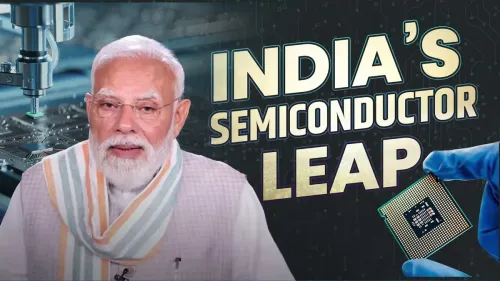
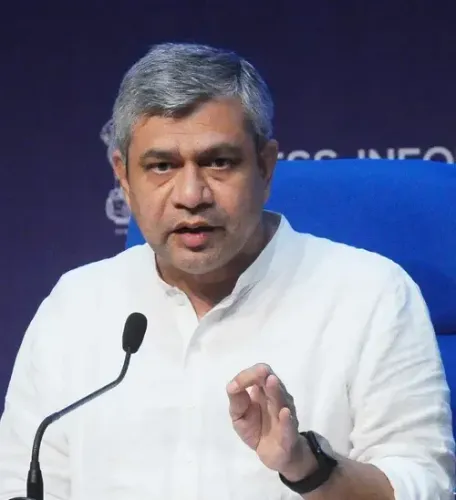
Union Minister Ashwini Vaishnaw on Sunday, July 5, 2026, shared a statement by Prime Minister Narendra Modi underscoring India's ambition to move beyond electronics assembly and become a full-spectrum semiconductor manufacturing nation, calling it the roadmap for a developed India.
Context
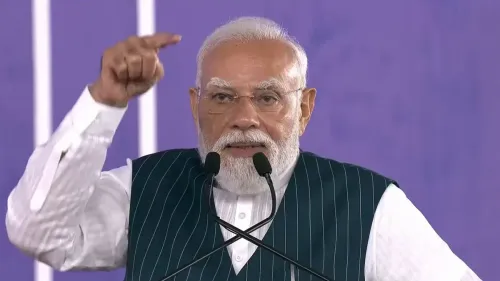
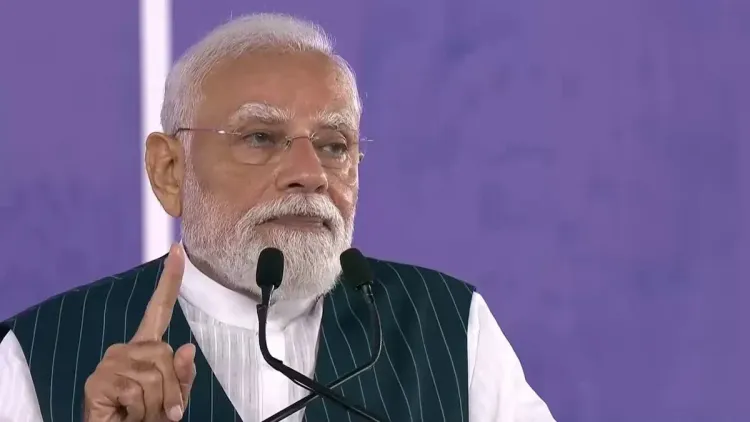
The post quotes Prime Minister Modi as saying: 'हम केवल इलेक्ट्रॉनिक्स नहीं बनाएंगे, हम उन चिप्स का निर्माण भी करेंगे, जिनसे इलेक्ट्रॉनिक्स की पुरी दुनिया चलती है… यह विकसित भारत का roadmap है।' — translated: 'We will not only manufacture electronics, we will also manufacture the chips that power the entire world of electronics… This is the roadmap for Viksit Bharat.' The statement positions semiconductor self-reliance not as an aspiration but as a defined policy direction under the Viksit Bharat vision, the government's framework for India to achieve developed-nation status by 2047.
Policy Backdrop
India's push into chip manufacturing is anchored by the India Semiconductor Mission, approved in 2021 with an outlay of Rs 76,000 crore, designed to build a domestic ecosystem for chip fabrication, assembly, testing, and design through fiscal incentives and global partnerships. The Production Linked Incentive (PLI) Scheme for large-scale electronics manufacturing, notified in 2020, extended the same logic of demand-linked financial rewards to attract global semiconductor firms to India. Together, these schemes form the policy spine behind the ambition Modi has repeatedly articulated — most prominently at the Semicon India conference in 2022, where he outlined targets for indigenous chip production.
India's semiconductor drive is also embedded in the broader Atmanirbhar Bharat framework, a response to the global supply-chain disruptions that exposed the fragility of import-dependent electronics industries. New Delhi has pursued partnerships with the United States, Japan, and Taiwan to integrate Indian firms into diversified global value chains, even as it builds domestic fabrication capacity.
Stakeholders and Impact
The primary beneficiaries of a successful semiconductor ecosystem would be India's electronics manufacturers, who currently depend heavily on chip imports, and the technology workforce, for whom chip design and fabrication represent high-value employment. Global semiconductor firms evaluating manufacturing diversification away from concentrated geographies in East Asia stand to gain from India's incentive architecture. For ordinary consumers, domestic chip production carries the long-term promise of more resilient supply chains and competitively priced devices.
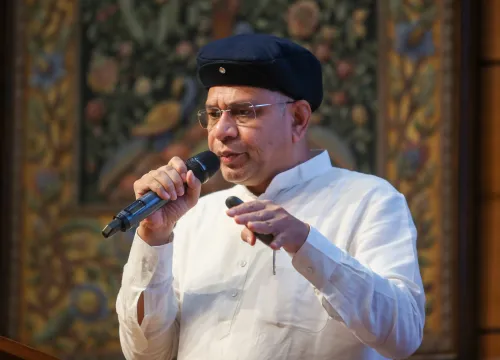
As the minister overseeing both the Ministry of Electronics and Information Technology and the Ministry of Information and Broadcasting, Vaishnaw is the principal policy executor of the vision Modi has articulated. His decision to amplify the Prime Minister's statement signals continued political momentum behind the semiconductor agenda at the highest levels of government.
What's Next
Attention will now turn to the commissioning timelines and production capacity of fabrication units approved under the India Semiconductor Mission, as well as any updates that may emerge in the upcoming Union Budget or revisions to electronics policy. The government's ability to translate the Prime Minister's stated roadmap into operational chip-fabrication infrastructure will be the key metric by which this vision is eventually measured.
Point of View
Not just electronics assembly — is a deliberate signal that the government wants to keep semiconductor self-reliance at the centre of its technology narrative heading into the second half of 2026. The framing of chip manufacturing as the 'roadmap for Viksit Bharat' ties an industrial policy goal to a broader civilisational aspiration, making it politically durable across electoral cycles. This continuity of messaging, from the 2021 semiconductor mission to the 2022 Semicon India conference to this post, suggests a coordinated long-term communication strategy, not just reactive cheerleading. The real test, however, remains operational: whether approved fabrication units deliver on commissioning timelines will determine whether the roadmap is remembered as vision or as rhetoric.
NationPress
3 Oct 2026
Frequently Asked Questions
What is India's semiconductor manufacturing plan?
India's semiconductor plan is anchored by the India Semiconductor Mission, approved in 2021 with a Rs 76,000 crore outlay, which provides fiscal incentives for chip fabrication, assembly, testing, and design units. The PLI Scheme for electronics manufacturing, launched in 2020, further supports the ecosystem by offering demand-linked financial rewards to domestic and global firms.
What did PM Modi say about chip manufacturing in India?
PM Modi stated that India will not only manufacture electronics but will also manufacture the chips that power the entire world of electronics, describing this as the roadmap for Viksit Bharat — the government's vision for India to become a developed nation by 2047.
What is Viksit Bharat and how does it relate to semiconductors?
Viksit Bharat is the Indian government's vision for the country to achieve developed-nation status by 2047 . Semiconductor self-reliance and domestic chip manufacturing are positioned as key pillars of this vision, reducing import dependence and building high-value industrial capacity.
What is Ashwini Vaishnaw's role in India's electronics policy?
Ashwini Vaishnaw is the Union Minister for Electronics and Information Technology, Railways, and Information and Broadcasting. He is the principal policy executor of India's semiconductor and electronics manufacturing agenda, overseeing the India Semiconductor Mission and PLI schemes.
Why is semiconductor manufacturing important for India?
India currently depends heavily on chip imports, making its electronics industry vulnerable to global supply-chain disruptions. Domestic semiconductor manufacturing would reduce this dependence, create high-value jobs for the technology workforce, and position India in global chip value chains alongside partners like the US, Japan, and Taiwan.