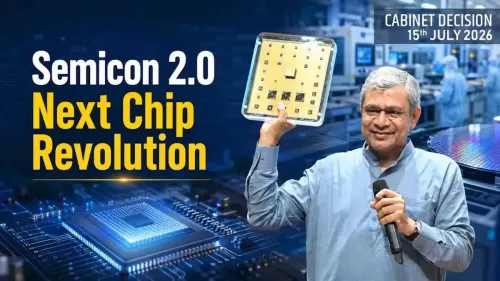
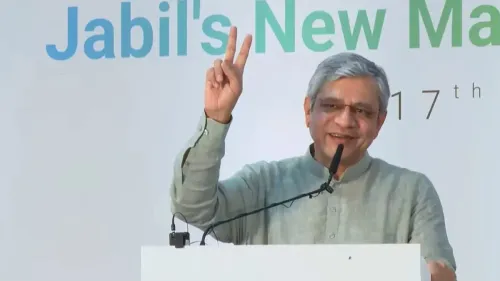
Vaishnaw: Semicon India gaining pace, chip by chip
Synopsis
Union Minister Ashwini Vaishnaw on 5 July 2026 quoted PM Modi from Sanand, Gujarat, declaring the Semicon India programme is gaining pace 'chip by chip', underscoring the government's push to build a domestic semiconductor ecosystem under the Rs 76,000 crore India Semiconductor Mission.
Key Takeaways
Union Minister Ashwini Vaishnaw posted from Sanand, Gujarat on 5 July 2026 , sharing PM Modi's remarks on the Semicon India programme.
PM Modi described India's semiconductor journey as progressing 'step by step, brick by brick, and now chip by chip.' The India Semiconductor Mission was approved in December 2021 with a financial outlay of Rs 76,000 crore to incentivise fabrication, assembly, and packaging units.
Sanand in Gujarat is a key manufacturing hub targeted under the semiconductor and electronics investment push.
India's semiconductor policy mirrors similar industrial strategies adopted by the US, EU and Japan to diversify global chip supply chains.
Commissioning timelines of approved units and new project announcements at upcoming Semicon India summits are the next key milestones to watch.
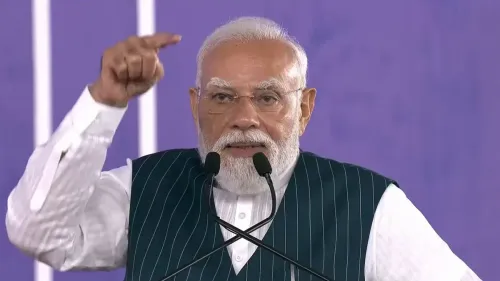
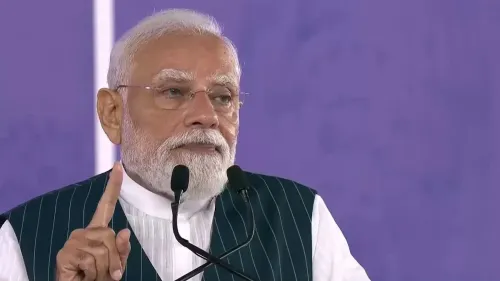
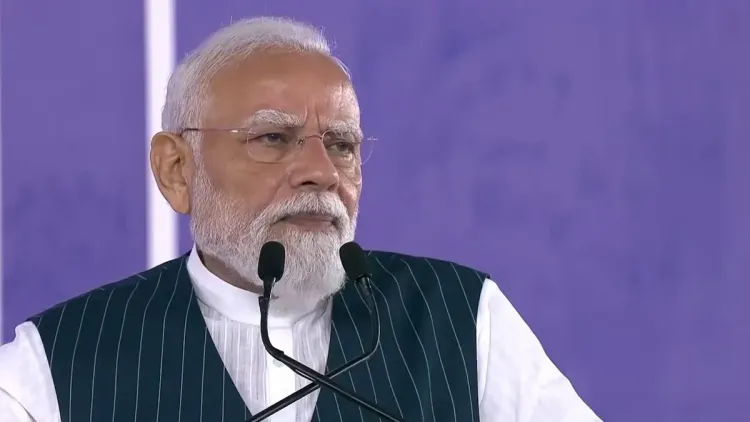
Union Minister Ashwini Vaishnaw on Sunday, 5 July 2026, shared remarks by Prime Minister Narendra Modi from Sanand, Gujarat, highlighting the accelerating momentum of the Semicon India programme, India's flagship initiative to build a domestic semiconductor ecosystem.
Posting from Sanand, Vaishnaw quoted the Prime Minister's words: 'Step by step, Brick by brick, और अब chip by chip' ('Step by step, brick by brick, and now chip by chip'), framing the semiconductor push as a methodical, long-term national industrial project gathering speed.
Context
Sanand in Gujarat has emerged as a key node in India's electronics and semiconductor manufacturing geography, attracting significant investment commitments from domestic and international players. The Prime Minister's presence in the region signals continued political attention to the programme at the highest level. Vaishnaw, who holds the Electronics and Information Technology portfolio, has been the principal ministerial face of the semiconductor mission.
Policy backdrop
The India Semiconductor Mission (ISM), approved in December 2021 with an outlay of Rs 76,000 crore, offers financial incentives for fabrication, assembly, testing, marking and packaging units. The scheme operates under the Ministry of Electronics and Information Technology (MeitY) and is designed to reduce India's near-total dependence on semiconductor imports, primarily from Taiwan, South Korea and China. The Production Linked Incentive (PLI) scheme for electronics and IT hardware, launched in 2020, was subsequently expanded to cover semiconductor components, layering further incentives for manufacturers.
India's approach mirrors industrial policies adopted by the United States, European Union and Japan since 2020, all of which have moved aggressively to onshore or friend-shore semiconductor supply chains following pandemic-era chip shortages that disrupted automotive, consumer electronics and defence sectors globally.
Stakeholders and impact
The primary beneficiaries of the Semicon India programme are electronics manufacturers, semiconductor design firms, and assembly, testing and packaging investors looking for incentive-backed locations. Gujarat has positioned itself as a frontrunner among Indian states, complemented by Assam and other states offering their own policy packages. A mature domestic semiconductor ecosystem would reduce India's import bill, create high-skill employment, and strengthen the country's strategic autonomy in critical technology supply chains.
For global chipmakers and their supply-chain partners, India's scale of incentives and its large domestic electronics market represent a meaningful alternative or complement to existing manufacturing hubs in East Asia.
What's next
Attention will now turn to the commissioning timelines of fabrication and packaging units already approved under the India Semiconductor Mission, as well as any new project announcements expected at forthcoming Semicon India conferences or investor summits. The Prime Minister's direct involvement in the programme's public communication underscores that semiconductor self-reliance remains a centrepiece of the government's Atmanirbhar Bharat agenda heading into the second half of the decade. Progress on ground-breaking and production milestones at Sanand and other designated sites will be the clearest measure of whether the programme's accelerating pace translates into installed capacity.
Point of View
Nation-building idiom used for infrastructure projects, managing expectations while sustaining momentum. With global chip geopolitics intensifying, India's ability to show tangible commissioning milestones — not just approvals — will determine whether the programme earns its place alongside the PLI and UPI as a genuine policy success story. The Gujarat focus also reinforces the state's role as the government's preferred showcase for flagship industrial investments.
NationPress
3 Oct 2026
Frequently Asked Questions
What is the Semicon India programme?
Semicon India is the central government's initiative to build a domestic semiconductor design, fabrication, and assembly ecosystem in India, backed by the Rs 76,000 crore India Semiconductor Mission approved in December 2021.
Why is Sanand important for India's semiconductor plans?
Sanand in Gujarat is a key industrial hub that has attracted electronics and semiconductor-related manufacturing investments, making it a focal point for the government's chip self-reliance strategy.
What did PM Modi say about the Semicon India programme?
PM Modi described India's semiconductor journey as progressing 'step by step, brick by brick, and now chip by chip,' signalling steady and accelerating progress toward domestic chip manufacturing capacity.
How much has India invested in its semiconductor mission?
The India Semiconductor Mission carries an approved outlay of Rs 76,000 crore, offering financial incentives for fabrication, assembly, testing, and packaging units under MeitY.
Which states are part of India's semiconductor manufacturing push?
Gujarat and Assam are among the leading states offering policy packages to attract semiconductor and electronics manufacturing investments, complementing central government incentives under the India Semiconductor Mission.