Vaishnaw Lays Foundation of Electronics Plants in Jewar, UP
Synopsis
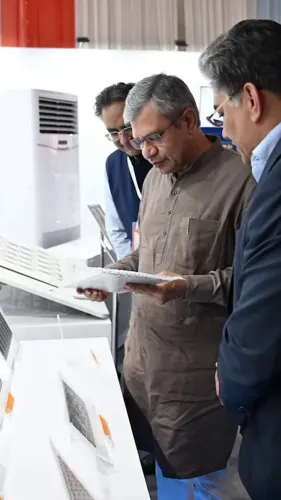
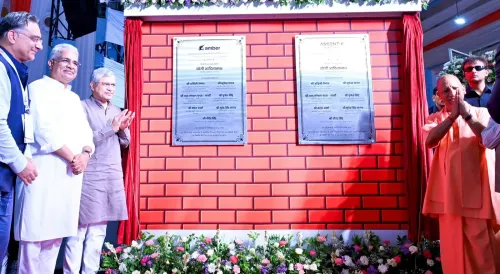
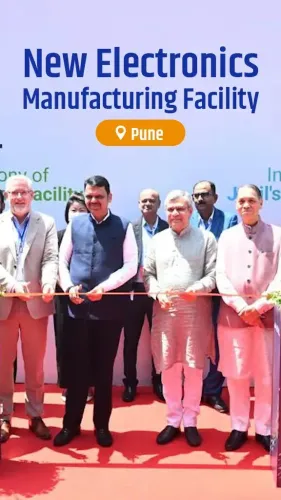
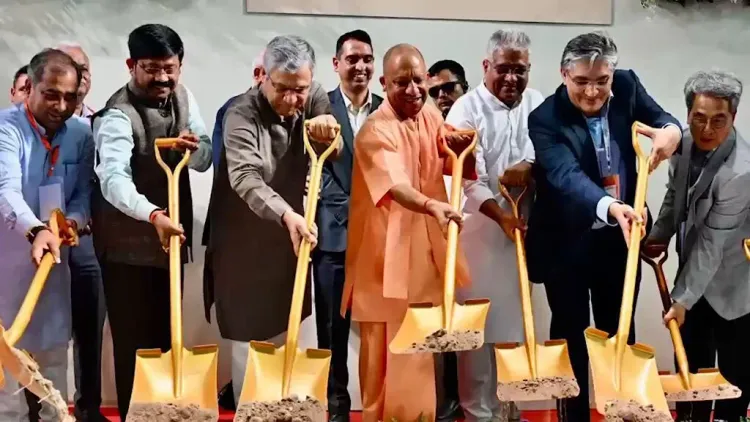
Union Minister Ashwini Vaishnaw, alongside CM Yogi Adityanath, laid the foundation of Amber and Ascent electronics manufacturing plants in Jewar, Gautam Buddha Nagar on 27 June 2026, advancing the Make in India push for domestic PCB and electronics production.
Key Takeaways
Union Minister Ashwini Vaishnaw laid the foundation stone of Amber and Ascent electronics manufacturing plants in Jewar, Gautam Buddha Nagar on 27 June 2026 .
Chief Minister Yogi Adityanath and Union Minister B.Y.
Radhakrishna were present at the ceremony.
The plants are positioned to advance PCB and modern electronics manufacturing in India under the Make in India initiative launched in 2014 .
The project aims to reduce import dependence on electronics components and create new employment in Uttar Pradesh .
Jewar is an emerging electronics cluster near the under-construction Noida International Airport , strengthening its logistics appeal.
The initiative aligns with the broader Viksit Bharat@2047 manufacturing and employment goals.
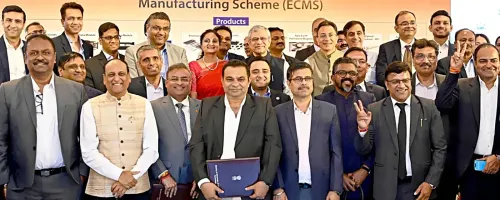
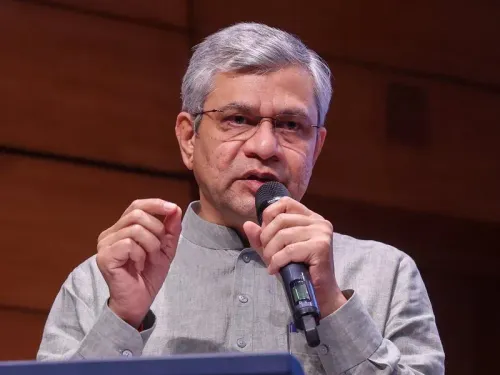
Union Minister Ashwini Vaishnaw on Saturday, 27 June 2026, laid the foundation stone of electronics manufacturing plants for Amber and Ascent in Gautam Buddha Nagar, Uttar Pradesh, alongside Chief Minister Yogi Adityanath and Union Minister B.Y. Radhakrishna. The ceremony, held at Jewar, marks a significant push to scale domestic electronics and printed circuit board (PCB) production under the Make in India initiative.
Context
Vaishnaw posted on X, writing in Hindi: 'Gautam Buddha Nagar mein Amber evam Ascent ke electronics manufacturing plant ka shilaayas kiya' — ('Laid the foundation stone of Amber and Ascent's electronics manufacturing plants in Gautam Buddha Nagar'). He stated the plants will 'give new momentum to modern electronics and PCB manufacturing in India, reduce dependence on imports, create new employment opportunities and strengthen the building of a Viksit Bharat.' The event signals growing state-centre coordination on industrial policy in the National Capital Region belt.
Policy Backdrop
The groundbreaking is anchored in Prime Minister Narendra Modi's Make in India campaign, launched in September 2014, which set out to attract investment, build manufacturing infrastructure and reduce India's reliance on imported electronics — particularly from China. The Production Linked Incentive (PLI) scheme for large-scale electronics manufacturing, approved by the Union Cabinet in 2020, further incentivised companies to establish domestic capacity in components such as PCBs, which are foundational to virtually every electronic device. Jewar in Gautam Buddha Nagar has been emerging as a preferred electronics cluster, partly because of its proximity to Delhi-NCR and the under-construction Noida International Airport, which will ease logistics for export-oriented manufacturers.
Stakeholders and Impact
Amber Enterprises is among India's largest electronics manufacturing services companies, with an established track record in consumer durables and components. The addition of a dedicated PCB and advanced electronics facility is expected to deepen domestic value chains and reduce the import bill for intermediate goods. For Uttar Pradesh, which has aggressively courted industrial investment under Chief Minister Yogi Adityanath's administration, the plant represents fresh employment prospects for the state's large working-age population. Local suppliers, logistics providers, and ancillary component makers in the NCR corridor stand to benefit from the upstream and downstream activity the facility will generate.
What's Next
The commissioning of these plants will be watched closely as a benchmark for India's ambition to climb global electronics value chains ahead of the Viksit Bharat@2047 target. Policy watchers will track progress on PLI 2.0 for electronics and updates from the India Semiconductor Mission, both of which are designed to complement surface-level assembly with deeper component manufacturing. Further investment announcements in the Jewar-Greater Noida corridor are widely anticipated as the new airport nears completion and the region's industrial profile rises.
Point of View
Leveraging airport-linked logistics as a differentiator. By placing Union Ministers and the Chief Minister on the same stage, the Centre is signalling that state-level incentives and central PLI support are now being co-deployed rather than run in parallel. The emphasis on PCB production is particularly significant: it targets the one link in the electronics supply chain where India remains most exposed to Chinese imports. If the Jewar cluster scales as intended, it could serve as a template for replicating electronics hubs in other tier-2 industrial zones across the country.
NationPress
26 Sept 2026
Frequently Asked Questions
What was inaugurated in Jewar Gautam Buddha Nagar on 27 June 2026?
Union Minister Ashwini Vaishnaw laid the foundation stone of electronics manufacturing plants for Amber and Ascent in Jewar, Gautam Buddha Nagar, Uttar Pradesh on 27 June 2026.
What is the Make in India initiative and how does this plant relate to it?
Make in India is a central government campaign launched by Prime Minister Narendra Modi in September 2014 to promote domestic manufacturing and reduce import dependence. The Amber and Ascent plants in Jewar are positioned as direct extensions of this initiative, focusing on electronics and PCB production.
What is the significance of Jewar for electronics manufacturing?
Jewar in Gautam Buddha Nagar is an emerging industrial cluster near Delhi-NCR and the under-construction Noida International Airport, making it strategically attractive for electronics manufacturers seeking strong logistics and export connectivity.
Which companies are setting up plants in Jewar under this project?
Amber Enterprises and Ascent are the two companies for whom foundation stones were laid at the electronics manufacturing facility in Jewar, Gautam Buddha Nagar.
How does this project help reduce India's electronics import dependence?
The plants are designed to manufacture electronics and printed circuit boards (PCBs) domestically, targeting the segment where India is most reliant on imports, thereby supporting the broader goal of building self-reliant supply chains under Viksit Bharat@2047.