Vaishnaw Inaugurates Jabil AI Plant in Pune
Synopsis
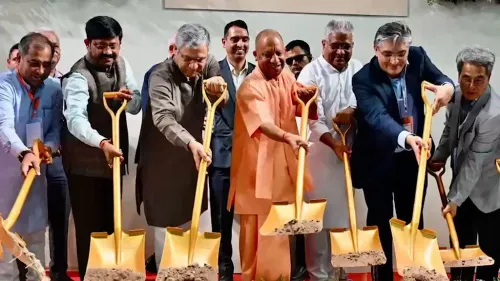
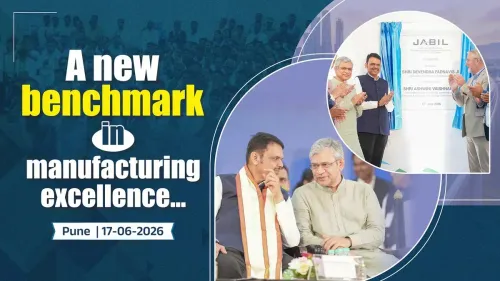
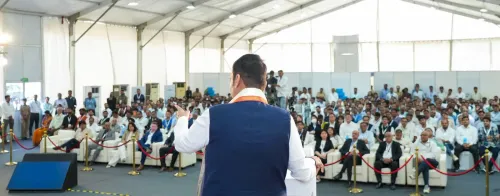
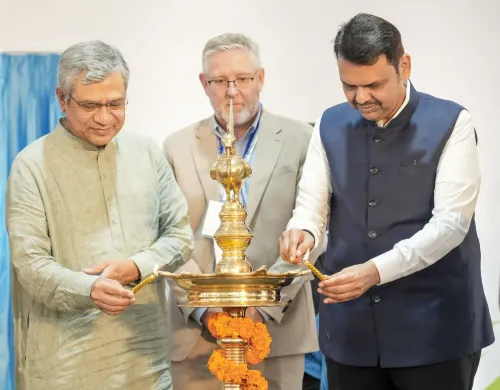
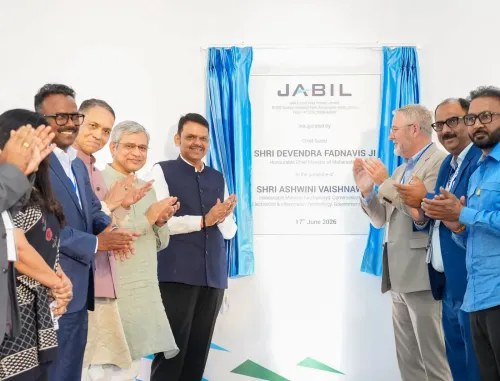
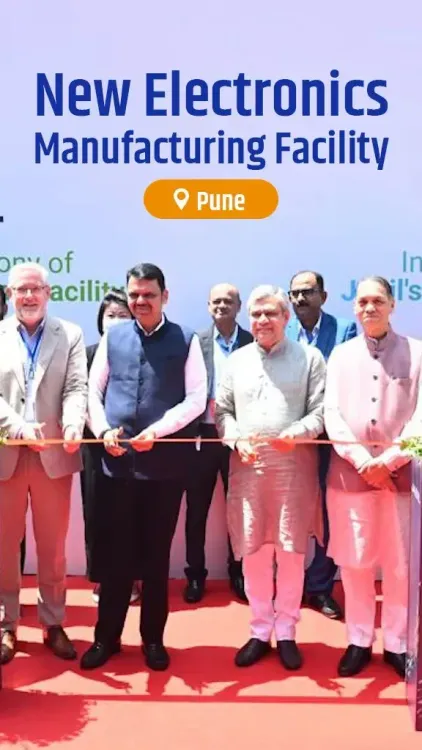
Union Minister Ashwini Vaishnaw and Maharashtra CM Devendra Fadnavis inaugurated Jabil's new advanced manufacturing facility in Ranjangaon, Pune on June 17, 2026. The plant will produce components for AI data centres, advancing PM Modi's Make in India, Make for the World vision and India's bid to lead global electronics supply chains.
Key Takeaways
Union Minister Ashwini Vaishnaw inaugurated Jabil 's new advanced manufacturing facility at Ranjangaon, Pune on June 17, 2026 .
The plant will manufacture components for AI data centres , targeting global supply chain integration.
Maharashtra Chief Minister Devendra Fadnavis co-inaugurated the facility, reflecting state-level commitment to high-tech investment.
The project aligns with the Make in India programme launched in 2014 and the PLI scheme for electronics notified in 2020 .
Jabil is a US-headquartered global electronics manufacturing services firm, bringing international supply chain credibility to the Pune cluster.
The facility signals India's ambition to shift from electronics importer to a trusted global electronics manufacturing partner .
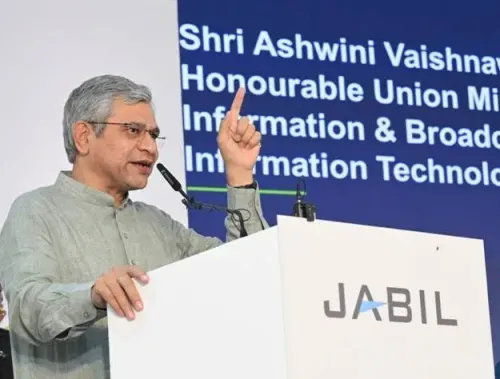
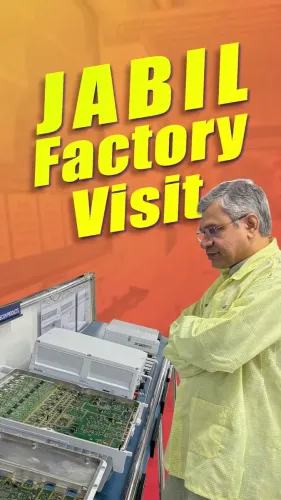
Union Minister Ashwini Vaishnaw on Wednesday, June 17, 2026, inaugurated a new advanced manufacturing facility of global electronics services firm Jabil at Ranjangaon, Pune, alongside Maharashtra Chief Minister Devendra Fadnavis. The high-tech plant is designed to manufacture components for AI data centres, marking a significant step in India's push to become a trusted global partner in electronics.
Context
Vaishnaw described the facility as being 'in line with PM Narendra Modi's vision of Make in India, Make for the World,' signalling that the plant is positioned not just for domestic supply but for global export chains. Ranjangaon, part of the MIDC (Maharashtra Industrial Development Corporation) belt near Pune, has emerged as a preferred destination for auto and electronics manufacturers owing to its infrastructure and connectivity.
Jabil, headquartered in the United States, is one of the world's largest electronics manufacturing services companies, with a global footprint spanning high-tech assembly and advanced component production. Its entry into AI data centre component manufacturing in India reflects a broader industry shift to diversify supply chains beyond single-country concentration.
Policy Backdrop
The inauguration sits squarely within two central policy pillars. The Make in India programme, launched in September 2014, set out to raise manufacturing's share of India's GDP and position the country as a global export hub. Complementing it, the Production Linked Incentive (PLI) scheme for IT hardware and electronics, notified in 2020, offers financial incentives to firms that scale domestic production — making India increasingly attractive to electronics manufacturing services companies like Jabil.
The Ministry of Electronics and Information Technology, which Vaishnaw heads, has been the nodal body driving both incentive frameworks. The convergence of AI infrastructure demand with India's PLI-backed electronics ecosystem creates a commercially compelling case for global firms to set up or expand capacity here.
Stakeholders and Impact
Maharashtra has been an aggressive competitor among Indian states for high-value manufacturing investments, offering land, power infrastructure, and single-window clearances in clusters like Pune. Chief Minister Devendra Fadnavis's presence at the inauguration underscores the state government's stake in cementing Pune's identity as an advanced electronics hub.
For the broader AI supply chain, domestic production of data centre components reduces import dependence and could lower costs for Indian cloud and AI infrastructure providers. Electronics manufacturers and AI supply chain firms stand to benefit from the ripple effect of a globally integrated player anchoring operations in the region.
What's Next
Attention will now turn to the disbursement of PLI incentives linked to the electronics and IT hardware scheme, and whether the Jabil facility catalyses follow-on investments from other global electronics manufacturing services firms eyeing India's growing AI infrastructure market. The Ministry of Electronics and IT is expected to track production milestones at such facilities as benchmarks for the scheme's success.
With India actively courting global technology supply chains, the Ranjangaon plant could serve as a template for future high-tech manufacturing partnerships — reinforcing New Delhi's ambition to move from being an electronics importer to a credible global electronics exporter.
Point of View
Particularly in an industrial state like Maharashtra. The choice of Ranjangaon, a proven auto-electronics corridor, suggests a strategy of layering AI-era manufacturing onto existing industrial infrastructure rather than building greenfield clusters from scratch. Whether the PLI framework can sustain momentum and attract deeper, higher-value investments in AI component manufacturing will be the true test of this policy arc.
NationPress
19 Sept 2026
Frequently Asked Questions
What did Ashwini Vaishnaw inaugurate in Pune on June 17 2026?
Union Minister Ashwini Vaishnaw inaugurated Jabil's new advanced manufacturing facility at Ranjangaon, Pune, which will produce components for AI data centres.
What is Jabil and why is it significant for India?
Jabil is a US-headquartered global electronics manufacturing services company. Its new Pune plant marks a significant step in India's goal to become a trusted global partner in electronics and AI supply chains.
What is the Make in India scheme and how does this plant relate to it?
Make in India is a central government initiative launched in September 2014 to boost domestic manufacturing and position India as a global export hub. The Jabil facility directly advances this vision by manufacturing AI data centre components in India for global markets.
What is the PLI scheme for electronics?
The Production Linked Incentive scheme for IT hardware and electronics was notified in 2020. It offers financial incentives to companies that scale up domestic electronics production, making India attractive to global manufacturers like Jabil.
Where is Ranjangaon and why was it chosen for the Jabil plant?
Ranjangaon is an MIDC industrial area near Pune, Maharashtra, known for hosting auto and electronics manufacturers. Its established infrastructure and connectivity make it a preferred location for advanced manufacturing investments.