Electronics exports hit 3rd-largest goods category: Vaishnaw
Synopsis
India's electronics sector has gone from an afterthought to the country's third-largest goods export category — a climb from 9th place that few predicted a decade ago. With the ₹13 lakh crore industry now targeting AI data centre hardware and 5G components through facilities like Jabil's new Pune plant, the question is whether India can move beyond assembly into genuine deep-tech manufacturing.
Key Takeaways
Electronics manufacturing is now India's 3rd-largest goods export category , up from 9th position , announced on 18 June .
The sector's total valuation has reached ₹13 lakh crore .
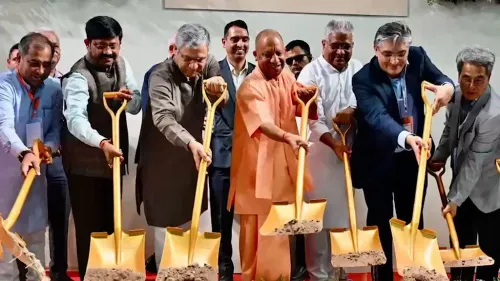
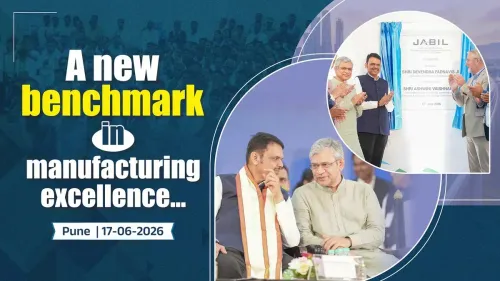
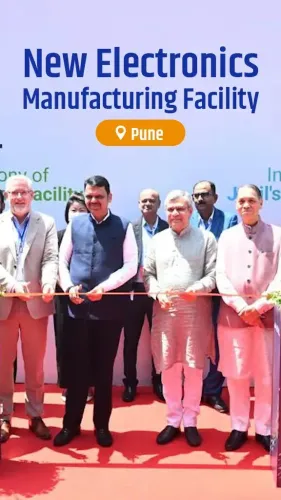
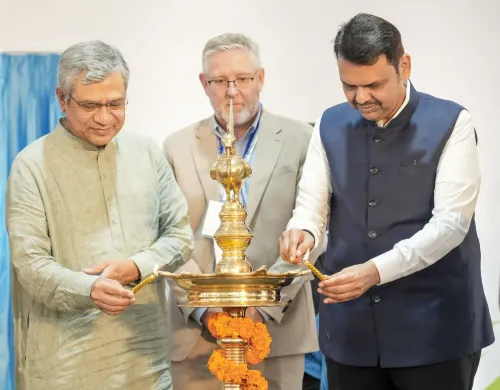
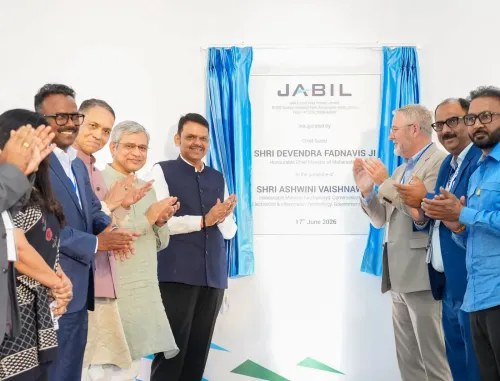
Union Minister Ashwini Vaishnaw and Maharashtra CM Devendra Fadnavis inaugurated Jabil's advanced manufacturing facility at Ranjangaon, Pune .
The Jabil plant will manufacture AI systems, 5G gear, networking equipment , and consumer electronics for domestic and export markets.
The facility is expected to generate employment for up to 11,000 personnel and integrate MSMEs into global supply chains.
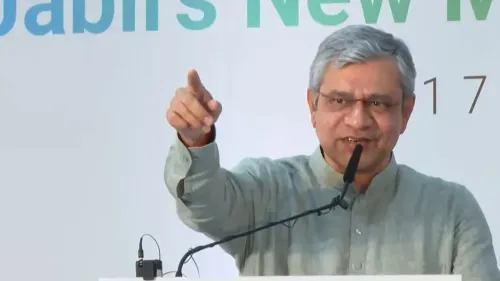
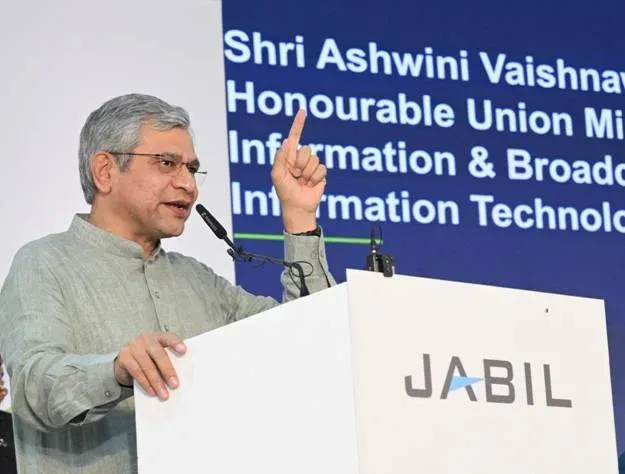
India's electronics manufacturing sector has climbed to become the third-largest goods export category in the country, Union Minister for Electronics and Information Technology Ashwini Vaishnaw announced on 18 June in Pune. The milestone caps a rapid ascent — from 9th position through 7th, 5th, and 4th — and comes as the industry's total valuation reaches an unprecedented ₹13 lakh crore.
Jabil Facility Inaugurated at Ranjangaon
Vaishnaw, alongside Maharashtra Chief Minister Devendra Fadnavis, inaugurated a high-tech advanced manufacturing facility of Jabil at Ranjangaon, Pune. The plant is designed to manufacture critical data centre components, AI systems, 5G technology, high-end networking gear, industrial power electronics, and consumer electronics. According to an official statement, the facility is fully equipped to serve both India's domestic technology requirements and export demand across global markets.
AI Infrastructure and the Make in India Push
The minister underscored that AI data centres have emerged as a major growth engine worldwide, making domestic production of their core electronic components a strategic priority under the Prime Minister's 'Make in India' plan. Vaishnaw stressed that anchoring AI infrastructure within India is no longer optional — it is a competitive necessity as nations race to control the hardware layer of the AI economy.
Notably, electronics manufacturing and exports from India were widely considered unthinkable just a few years ago. The sector's transformation into a trusted global manufacturing destination represents one of the more tangible industrial shifts of the past decade.
Jobs and Supply Chain Impact
The Jabil facility is projected to scale localised employment to 11,000 personnel. A deep localisation programme will integrate domestic supply chains and MSMEs directly into the global technology ecosystem. Officials described the emerging integrated ecosystem — spanning electronic components, finished goods, and local supply chains — as poised to unlock significant socio-economic benefits for the region.
What the Numbers Signal
The ₹13 lakh crore valuation of India's electronics manufacturing industry marks a structural shift, not merely a cyclical uptick. This comes amid intensifying global efforts to diversify supply chains away from a single geography, with India positioning itself as an alternative hub for high-complexity manufacturing. The consecutive rank improvements in export categories suggest sustained policy momentum rather than a one-off surge. Industry observers will watch whether the next phase of growth extends beyond assembly into deeper component manufacturing — the segment where India's value addition has historically been thinner.
Point of View
But 11,000 jobs at a single plant does not yet constitute a manufacturing ecosystem. The real test is whether the MSME integration Vaishnaw described translates into verifiable domestic value addition, or whether India remains a final-assembly destination with the critical components still imported. The ₹13 lakh crore figure is real progress; the depth of that progress is still being built.
NationPress
18 Sept 2026
Frequently Asked Questions
How did India's electronics sector become the 3rd-largest goods export category?
India's electronics sector climbed steadily from 9th to 3rd place in goods export rankings through a combination of production-linked incentive schemes, global supply chain diversification, and major manufacturing investments. The sector's total valuation has reached ₹13 lakh crore, according to Union Minister Ashwini Vaishnaw.
What will the Jabil facility in Pune manufacture?
The Jabil plant at Ranjangaon, Pune will manufacture AI-enabled data centre equipment, 5G technology, high-end networking gear, industrial power electronics, and consumer electronics. It is designed to serve both India's domestic market and global export demand.
How many jobs will the Jabil Pune facility create?
The facility is projected to scale localised employment to 11,000 personnel. It also includes a localisation programme aimed at integrating domestic MSMEs into global technology supply chains.
Why is AI data centre manufacturing a priority for India?
Minister Vaishnaw stated that AI data centres have become a major global growth engine, making domestic production of their core components a strategic necessity. Ensuring that key electronic hardware powering these centres is made in India is a stated priority under the 'Make in India' plan.
Who inaugurated the Jabil facility in Pune?
The facility was inaugurated by Union Minister for Electronics and IT Ashwini Vaishnaw and Maharashtra Chief Minister Devendra Fadnavis on 18 June at Ranjangaon, Pune.