Vaishnaw Visits Jabil's Ranjangaon Plant for Electronics Manufacturing
Synopsis
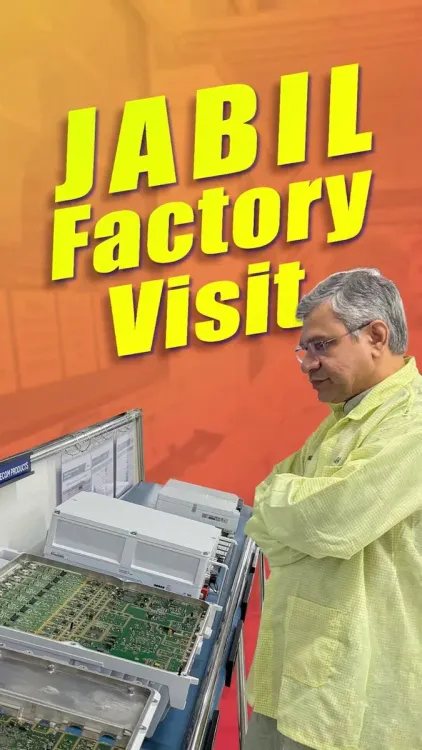
Union Minister Ashwini Vaishnaw visited Jabil's precision electronics manufacturing plant at Ranjangaon, Pune on 17 June 2026, engaging with engineers producing components for India's telecom and railways sectors — a signal of continued policy focus on domestic electronics manufacturing.
Key Takeaways
Ashwini Vaishnaw visited Jabil's plant at Ranjangaon, Pune on 17 June 2026 .
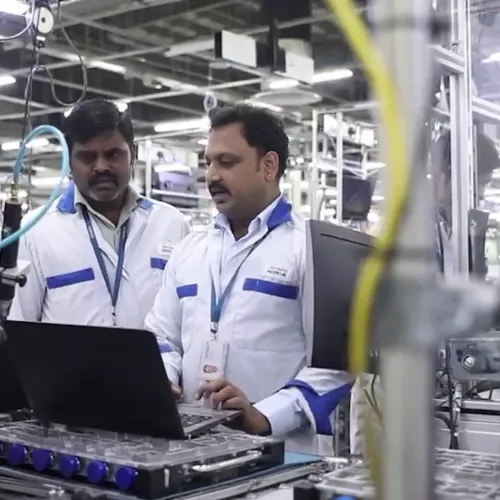
The facility conducts precision manufacturing of electronics components for telecom , railways , and other sectors.
The minister interacted with young engineers and technicians at the plant.
Jabil Inc. is a US-headquartered global electronics manufacturing services company with operations in India.
The visit aligns with the government's PLI Scheme for Large Scale Electronics Manufacturing , approved in 2020 .
Ranjangaon is part of Maharashtra's established electronics and auto-component manufacturing cluster near Pune.
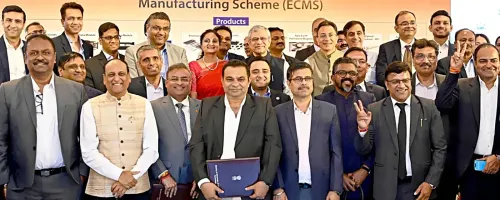
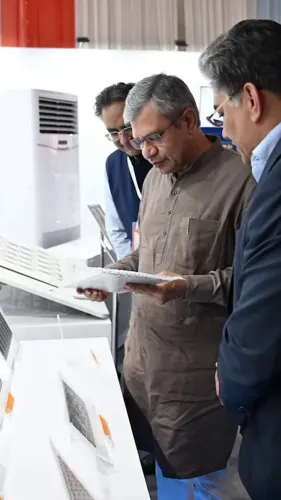
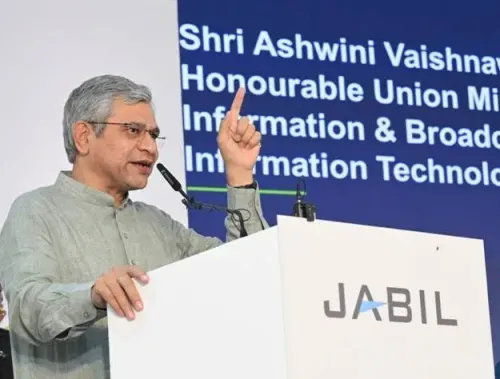
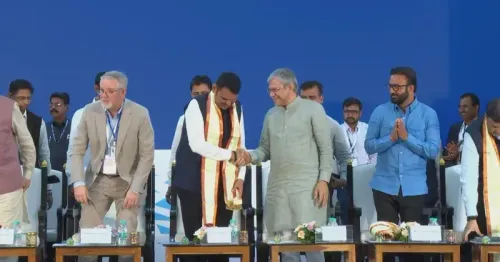
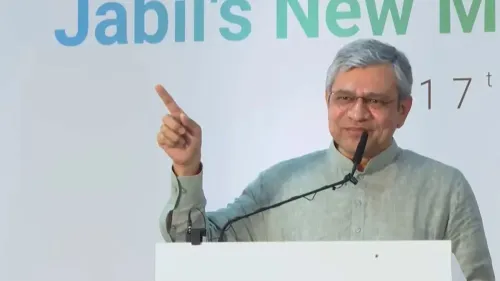
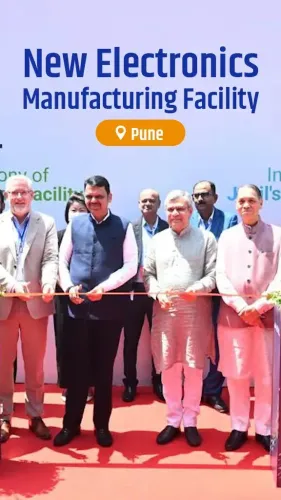
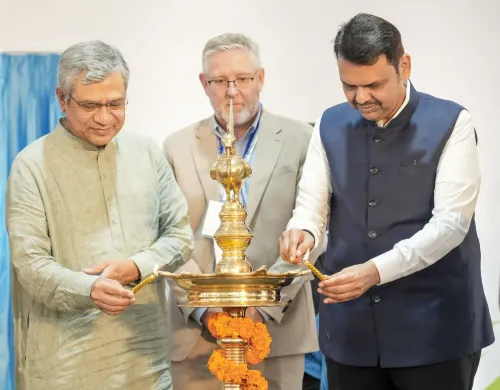
Union Minister Ashwini Vaishnaw visited Jabil's precision electronics manufacturing facility at Ranjangaon, Pune on Wednesday, 17 June 2026, interacting with engineers and technicians who supply components to India's telecom and railways sectors.
Context
Jabil Inc., a US-headquartered global electronics manufacturing services company, operates a plant in Ranjangaon, an established industrial cluster near Pune, Maharashtra, known for electronics and auto-component production. The facility carries out precision manufacturing of components serving telecom, railways, and allied sectors. Minister Vaishnaw noted his interaction with the 'talented team of young engineers and technicians contributing to Jabil's success.'
The minister holds the portfolios of Railways, Information and Broadcasting, and Electronics and Information Technology, making such facility visits directly relevant to multiple areas of his mandate.
Policy Backdrop
The visit comes against the backdrop of the central government's sustained push to build a domestic electronics manufacturing ecosystem. The Production Linked Incentive (PLI) Scheme for Large Scale Electronics Manufacturing, approved in 2020, was designed to attract investment, deepen domestic value addition, and reduce India's dependence on imports for critical components.
The National Policy on Electronics 2019 and subsequent updates to the India Semiconductor Mission together aim at creating an end-to-end electronics supply chain. Contract manufacturers like Jabil are central to this strategy, bridging global manufacturing expertise with India's growing infrastructure demands in 5G telecom and railway signalling.
Stakeholders and Impact
The Ranjangaon facility's output feeds directly into two of India's largest infrastructure programmes — the expansion of 4G/5G telecom networks and the modernisation of the Indian Railways network. Both are policy priorities that sit squarely within Vaishnaw's ministerial remit, giving the visit a cross-sectoral significance beyond a routine industry interaction.
For the local workforce, the plant represents high-skill employment for young engineers and technicians in Maharashtra's manufacturing belt. Ministerial attention to such facilities signals continued government intent to sustain and expand the incentive environment for global electronics firms operating in India.
What's Next
Attention will now turn to whether the visit translates into fresh policy announcements, including possible additional PLI allocations or state-level incentives for electronics clusters in Maharashtra. The roll-out of India Semiconductor Mission projects remains a key marker of how deeply the government intends to integrate domestic component production into strategic supply chains. Any capacity expansion announcements from Jabil for its Pune operations would further underscore the momentum building around India's electronics manufacturing ambitions.
Point of View
Not merely an industrial footnote. By personally engaging with shop-floor engineers, the minister reinforces the narrative that India's electronics ambitions rest on workforce capability as much as on policy incentives. The cross-sectoral nature of Jabil's output — feeding both telecom and railways, two of Vaishnaw's own portfolios — makes this visit unusually convergent in political optics. It also keeps pressure on Maharashtra to maintain a competitive incentive environment as global manufacturers weigh India against rival Asian production hubs.
NationPress
16 Sept 2026
Frequently Asked Questions
Why did Ashwini Vaishnaw visit Jabil's plant in Pune?
Vaishnaw visited Jabil's Ranjangaon, Pune facility on 17 June 2026 to review its precision electronics manufacturing operations, which supply components to India's telecom and railways sectors — both areas under his ministerial charge.
What does Jabil manufacture at its Ranjangaon plant?
Jabil's Ranjangaon plant carries out precision manufacturing of electronics components for telecom, railways, and other industrial sectors.
What is the PLI Scheme for electronics manufacturing in India?
The Production Linked Incentive (PLI) Scheme for Large Scale Electronics Manufacturing was approved by the central government in 2020 to attract investment, increase domestic value addition, and reduce India's dependence on imported electronics components.
Where is Ranjangaon located and why is it significant?
Ranjangaon is an industrial area near Pune, Maharashtra, developed as a major cluster for electronics and auto-component manufacturing, hosting several global and domestic manufacturers.
What is Ashwini Vaishnaw's role in India's electronics policy?
As Union Minister for Electronics and Information Technology, Railways, and Information and Broadcasting since 2021, Vaishnaw oversees key policies including the PLI scheme, the India Semiconductor Mission, and the digitisation of railway infrastructure.