Vaishnaw Flags ₹2 Lakh Crore Rail Push for Maharashtra
Synopsis
Union Minister Ashwini Vaishnaw visited Ranjangaon, Pune on June 17, 2026, spotlighting ₹2 lakh crore worth of rail infrastructure projects underway in Maharashtra — part of a national capex push tied to the PM Gati Shakti multimodal connectivity plan.
Key Takeaways
Union Minister Ashwini Vaishnaw visited Ranjangaon, Pune on June 17, 2026 to highlight Maharashtra's rail expansion.
Rail infrastructure projects worth ₹2 lakh crore are currently underway across Maharashtra .
Ranjangaon is a key industrial area in Pune district with significant auto-component and electronics manufacturing activity.
The investments align with the PM Gati Shakti National Master Plan launched in 2021 for multimodal connectivity.
National railway capital expenditure has exceeded ₹2 lakh crore annually since the 2022 Union Budget cycle.
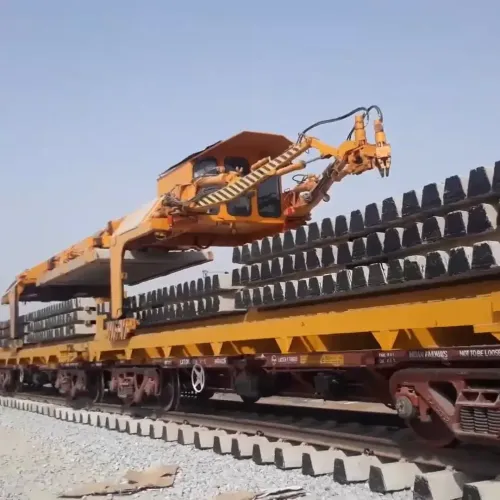
Key focus areas include track doubling, electrification, dedicated freight corridors, and new terminal capacity in western India.
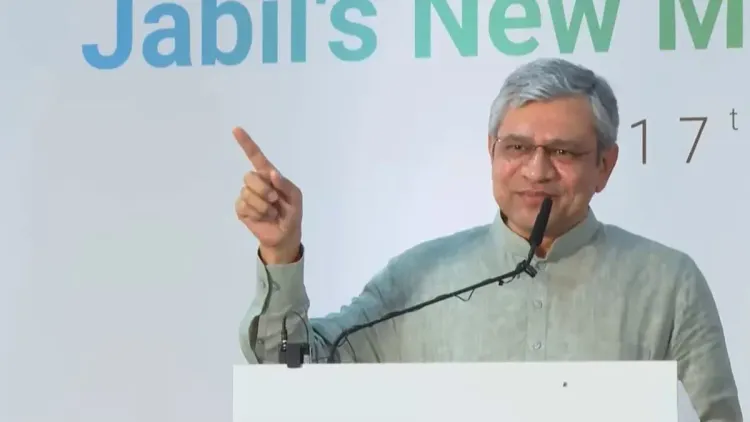
Union Minister Ashwini Vaishnaw on Wednesday, June 17, 2026, highlighted a sweeping transformation in Maharashtra's rail infrastructure, citing projects worth ₹2 lakh crore currently underway across the state. The minister made the announcement from Ranjangaon, Pune, underscoring the industrial belt's centrality to the railway expansion drive.
Context
Vaishnaw's visit to Ranjangaon — an industrial node in Pune district — signals the central government's focus on integrating freight and passenger rail capacity with Maharashtra's dense manufacturing and logistics ecosystem. The minister described the moment as 'a new era of rail connectivity for Maharashtra,' pointing to an ongoing pipeline of capital works across the state.
Pune and its surrounding districts have long faced pressure on rail corridors owing to rapid urbanisation and heavy industrial traffic on the Mumbai–Pune axis. Ranjangaon, home to several large auto-component and electronics manufacturers, stands to benefit directly from improved rail access reducing road-freight dependence.
Policy Backdrop
The scale cited by the minister is consistent with a broader national shift in railway financing. Since 2022, successive Union Budgets have pushed annual railway capital expenditure to record highs exceeding ₹2 lakh crore nationally, with state-specific project pipelines drawn up for high-growth economies like Maharashtra.
The PM Gati Shakti National Master Plan, launched in 2021, provided the planning architecture for these investments, binding railway projects to multimodal corridors that connect ports, industrial clusters, and urban centres. Maharashtra has featured prominently in these plans given its economic density and the existing high-traffic sections between Mumbai and Pune.
Priorities under the national programme include track doubling, full electrification, dedicated freight routes, and new terminal capacity — all of which address longstanding bottlenecks in western India's rail network.
Stakeholders and Impact
The most immediate beneficiaries are Maharashtra's commuters and the state's industrial base. Enhanced rail links around Pune are expected to ease logistics costs for manufacturers in sectors ranging from automobiles to electronics, many of whom are concentrated in corridors like Ranjangaon.
Broader gains are anticipated for the state's working population: faster, more frequent rail services between industrial towns and major cities reduce commute times and open labour markets. Indian Railways, as the executing agency, is simultaneously managing capacity augmentation across dozens of active project sites in the state.
What's Next
Detailed project sanction orders, land acquisition progress, and commissioning timelines for individual schemes are expected to surface through subsequent railway budget statements and state-level review meetings. The Ranjangaon visit may precede formal announcements on specific line additions or station upgrades in the Pune region.
With Maharashtra's share of the national railway capex pipeline under active execution, the coming months will test whether on-ground delivery matches the scale of the stated investment — a metric that will define the political and economic legacy of the current rail modernisation drive.
Point of View
While consistent with national capex trends, will face scrutiny on delivery timelines given the gap that often exists between sanctioned and commissioned projects. Framing Pune's industrial belt as a rail-connectivity priority also reinforces the government's 'Make in India' narrative, linking logistics upgrades directly to manufacturing competitiveness. The visit fits a broader pattern of senior ministers making visible field appearances at infrastructure sites to convert budget allocations into tangible political messaging.
NationPress
16 Sept 2026
Frequently Asked Questions
What is the value of railway projects underway in Maharashtra in 2026?
Union Minister Ashwini Vaishnaw stated that rail infrastructure projects worth ₹2 lakh crore are currently underway in Maharashtra, as highlighted during his visit to Ranjangaon, Pune on June 17, 2026.
Why did Ashwini Vaishnaw visit Ranjangaon in Pune?
Vaishnaw visited Ranjangaon , an industrial area in Pune district, to spotlight Maharashtra's ongoing rail infrastructure transformation and underscore the region's importance to the national railway expansion programme.
What is PM Gati Shakti and how does it relate to Maharashtra railways?
The PM Gati Shakti National Master Plan , launched in 2021, integrates railway projects with multimodal infrastructure planning. Maharashtra features prominently in this plan due to its economic density and high-traffic rail corridors between Mumbai and Pune.
How has India's railway capital expenditure changed in recent years?
Since 2022 , annual railway capital expenditure in Union Budgets has exceeded ₹2 lakh crore nationally , a record level, with a focus on track doubling, electrification, dedicated freight routes, and new terminal capacity.
Who benefits from the Maharashtra railway expansion projects?
The primary beneficiaries are Maharashtra commuters and industries in the Pune region, including auto-component and electronics manufacturers in Ranjangaon, who stand to gain from reduced logistics costs and improved connectivity.