Vaishnaw Highlights 5,300 km Annual Track Addition Drive
Synopsis
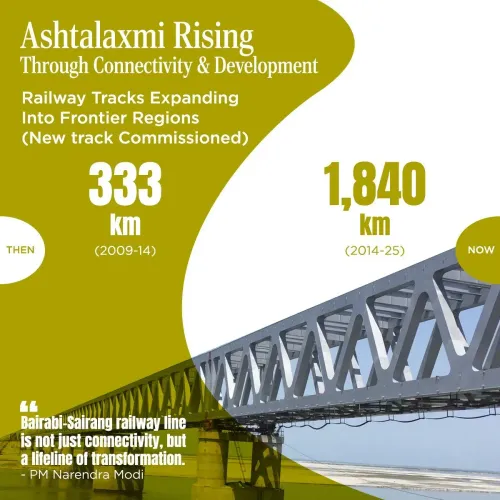
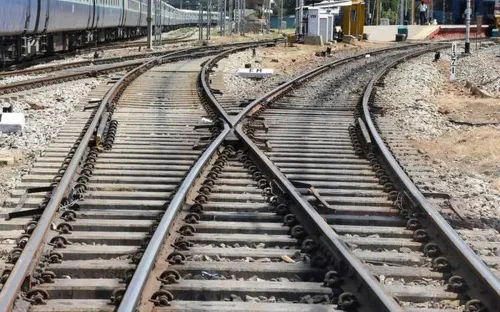
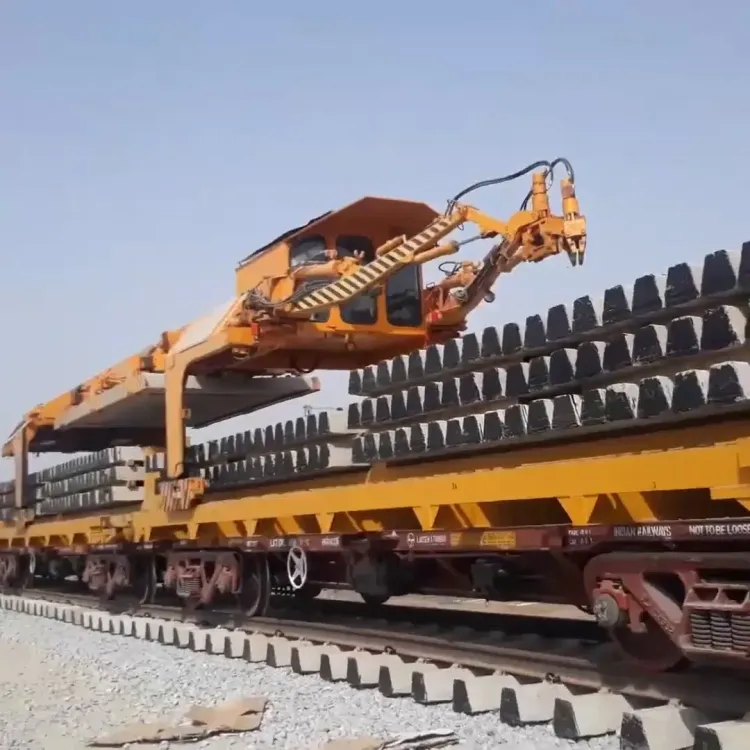
Union Minister Ashwini Vaishnaw says India has moved beyond routine track laying to building a modern national rail network, citing an annual addition of over 5,300 km of new tracks in recent years — a key metric of the government's capital expenditure drive in rail infrastructure.
Key Takeaways
Union Minister Ashwini Vaishnaw stated that over 5,300 km of new railway tracks have been laid annually in recent years.
The government frames this as part of building a 'modern national rail network,' not just incremental track addition.
The National Rail Plan 2030 targets 1.5 lakh km of total track, requiring sustained expansion through new lines and doubling.
The Railway Budget was merged with the Union Budget in 2017 , enabling record capital allocations from 2022 onward.
The Eastern and Western Dedicated Freight Corridors are designed to separate freight from passenger traffic, boosting capacity on both.
The PM Gati Shakti master plan integrates rail expansion with multi-modal logistics planning across state boundaries.
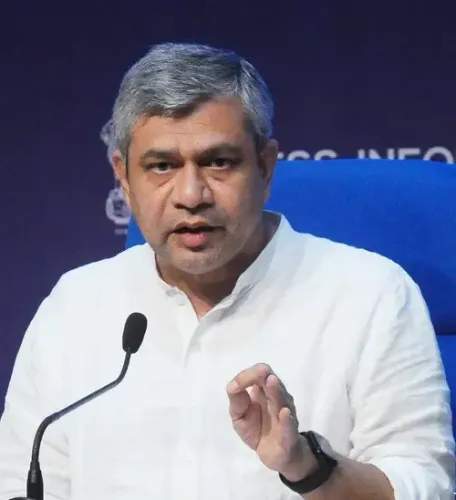
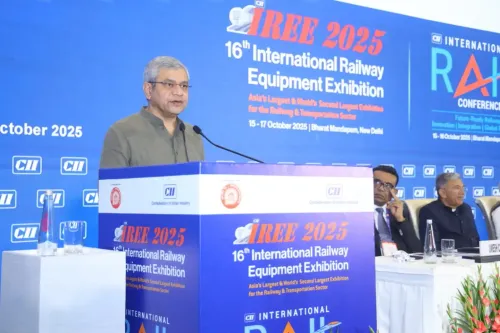
Union Minister Ashwini Vaishnaw on Wednesday, 10 June 2026 highlighted the scale of India's railway expansion, stating that the country has moved beyond merely laying tracks to building a modern national rail network, with over 5,300 km of new tracks added annually in recent years.
Context
Vaishnaw's post, framed as a reply on X, asserts that the government's approach to railways has been transformational in scope. 'We expanded beyond tracks to build a modern national rail network,' he wrote, adding that the annual pace of new track addition has crossed 5,300 km in recent years. The statement positions the current administration's rail investment as a qualitative shift, not merely a quantitative one.
The remark comes as the government has consistently used infrastructure output figures to communicate the pace of its capital expenditure drive. Track addition rates have been a headline metric for the Ministry of Railways in successive budget cycles.
Policy Backdrop
The acceleration in track laying is rooted in a series of structural reforms. The Railway Budget was merged with the Union Budget in 2017, unlocking higher and more flexible capital allocations for network expansion. The National Rail Plan 2030, released in 2021, set a target of 1.5 lakh km of track by the end of the decade through new lines and route doubling.
Successive Union Budgets from 2022 onward have recorded capital expenditure allocations for railways at historically high levels, directed at track renewal, new construction, and electrification. The PM Gati Shakti national master plan, also launched in 2021, integrated rail projects with multi-modal logistics planning across states, giving network expansion a wider economic rationale beyond passenger services.
Parallel to track expansion, the Dedicated Freight Corridors (DFC) — the Eastern and Western corridors — have been designed to separate freight from passenger traffic, raising average speeds and volumes on both. These corridors represent a structural upgrade to how the network handles cargo, complementing the raw track addition numbers cited by the minister.
Stakeholders and Impact
The beneficiaries of a faster-growing rail network span several groups. Rail passengers stand to gain from reduced congestion and new connectivity as route coverage expands. Freight operators, including logistics firms and industrial shippers, are watching DFC commissioning milestones closely, as the corridors promise lower transit times and costs for bulk goods.
State governments are also key stakeholders, since new lines and doubling projects often pass through politically and economically significant corridors. The integration of state-level planning under Gati Shakti has made rail expansion a shared agenda between the Centre and states, even where land acquisition and clearances remain challenging.
Broader economic modelling has long pointed to modal shift from road to rail as a lever for cutting logistics costs, which remain comparatively high as a share of India's GDP. A sustained increase in network capacity is seen as a prerequisite for that shift to materialise at scale.
What's Next
The next Union Budget and annual railway performance reports will be watched for commissioning data that either confirms or contextualises the 5,300 km annual addition figure. Progress on the Mumbai-Ahmedabad High-Speed Rail corridor and the remaining sections of the Dedicated Freight Corridors will serve as further indicators of whether the network modernisation narrative translates into operational milestones.
If the current pace of track addition is sustained, India would be on course to significantly close the gap with its National Rail Plan 2030 targets — a benchmark the government has cited as central to its logistics and economic competitiveness ambitions.
Point of View
Concrete output figure that is easy to communicate and hard to immediately dispute. It fits a well-established pattern of using infrastructure metrics as political capital ahead of budget cycles and electoral messaging. The shift in language from 'track laying' to 'building a modern national rail network' signals an attempt to elevate the narrative from logistics to national transformation. Whether the claim holds up will depend on independent commissioning audits and how the DFC and high-speed rail timelines progress — both of which remain under close scrutiny from freight and passenger stakeholders alike.
NationPress
13 Sept 2026
Frequently Asked Questions
How many km of railway track does India lay per year?
Union Minister Ashwini Vaishnaw has stated that over 5,300 km of new tracks have been laid annually in recent years, though independent verification of this specific figure is pending official commissioning data.
What is the National Rail Plan 2030?
The National Rail Plan 2030 , released in 2021 , is India's long-term blueprint targeting 1.5 lakh km of total rail network through new lines, route doubling, and electrification to meet projected freight and passenger demand.
What is PM Gati Shakti and how does it relate to railways?
PM Gati Shakti is a national master plan launched in 2021 that integrates rail, road, port, and logistics projects using a unified digital platform, allowing rail expansion to be planned alongside multi-modal connectivity at the state level.
What are the Dedicated Freight Corridors in India?
The Eastern and Western Dedicated Freight Corridors are dedicated rail lines designed to carry freight separately from passenger trains, enabling higher speeds and heavier loads while freeing up the main network for passenger services.
What has Ashwini Vaishnaw said about Indian Railways modernisation?
Vaishnaw has said that India has 'expanded beyond tracks to build a modern national rail network,' citing the annual addition of over 5,300 km of new tracks as evidence of the government's accelerated infrastructure investment.