Did 79% of India’s Railway Tracks Achieve Speeds Above 110 kmph?
Synopsis
The Indian Railways has made remarkable strides in upgrading its tracks, achieving a significant increase in high-speed capacity to 79% as of November CY25. This development, detailed by Railways Minister Ashwini Vaishnaw, showcases the commitment to modernizing the railway infrastructure and enhancing travel efficiency across the nation.
Key Takeaways
79% of railway tracks now support speeds over 110 kmph .
Track speed potential increased from 40% in 2014 .
Significant upgrades include 60 kg rails and modern machinery.
Electrification of 99.2% of the Broad Gauge network.
Full electrification achieved in several northeastern states.
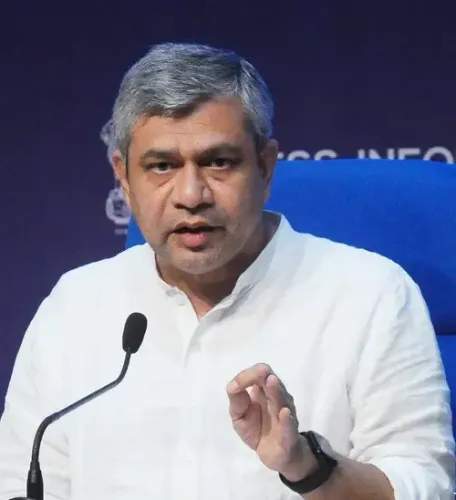
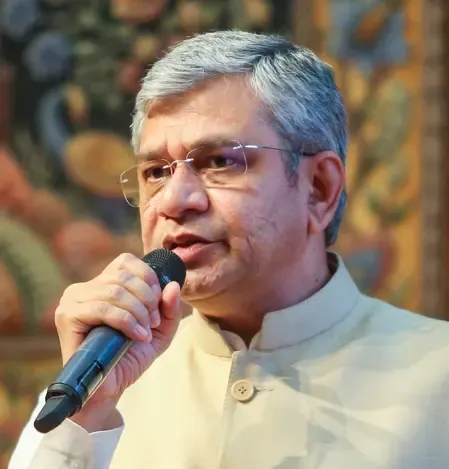
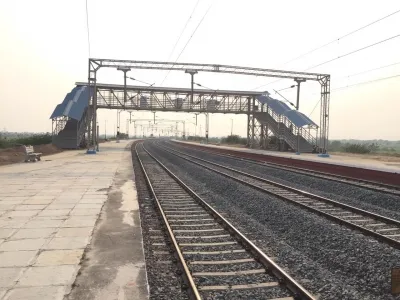
New Delhi, Dec 18 (NationPress) The Indian Railways has significantly upgraded and enhanced its railway tracks over the past 11 years, elevating the percentage of tracks capable of supporting speeds of 110 kmph and above to 79 percent by November CY25, up from 40 percent in 2014. This information was shared by Railways Minister Ashwini Vaishnaw during a session in Parliament on Thursday.
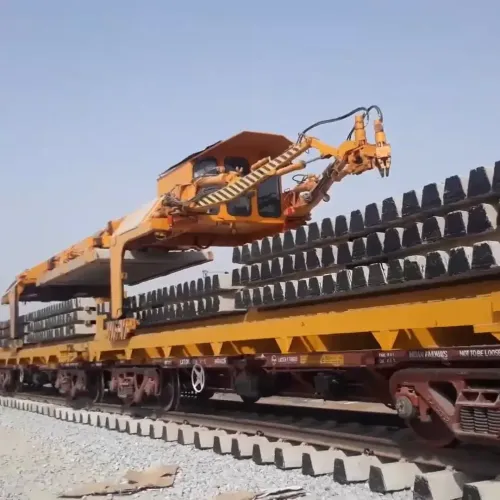
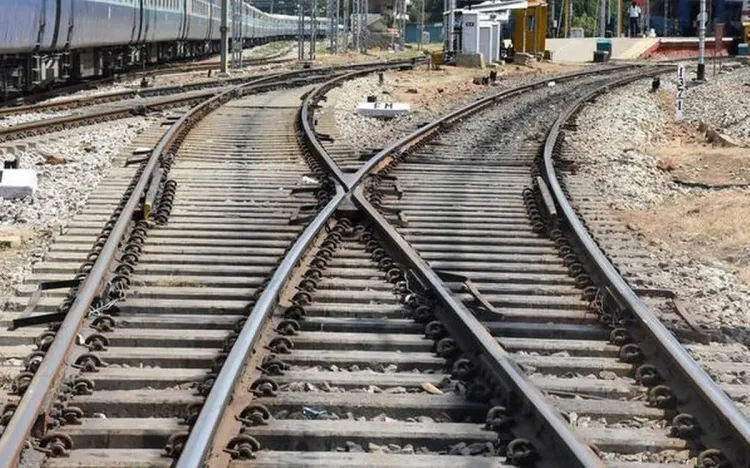
The extensive measures taken to boost the speed potential of the railway tracks include the adoption of 60 kg rails, broader base concrete sleepers, robust web switches, elongated rail panels, H Beam sleepers, as well as contemporary track renewal and maintenance machinery. Additional efforts include the interlocking of level crossing gates and rigorous monitoring of track geometry, Vaishnaw explained in a written response to a query in the Lok Sabha.
A decade-long comparison of sectional speeds illustrates a significant shift, with tracks under the 110 kmph category dropping to 21.7 percent of the network in 2025, a decline from 60.4 percent in 2014.
Moreover, tracks accommodating speeds between 110–130 kmph have surged to 57.5 percent from 33.3 percent, and the segment of tracks with speeds of 130 kmph and above has increased to 21.8 percent, up from a mere 6.3 percent.
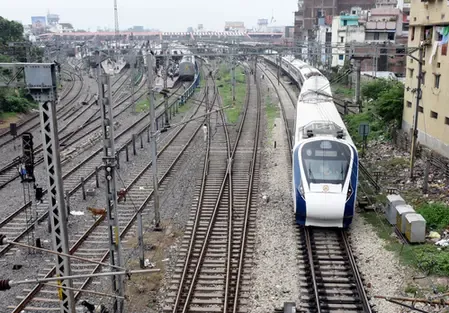
Additionally, Parliament was informed that the electrification of the Indian Railways network has been prioritized, achieving approximately 99.2 percent electrification of the Broad Gauge (BG) network.
This achievement surpasses that of the UK (39 percent), Russia (52 percent), and China (82 percent).
According to the minister, the electrification targets for the financial years 2023-24 and 2024-25 are 7,188 and 2,701 Route Kilometers (RKM), respectively. Furthermore, all new line and multi-tracking projects are being initiated with electrification.
The current BG network in the northeastern states, including Arunachal Pradesh, Meghalaya, Nagaland, Tripura, and Mizoram, has achieved full electrification.
Point of View
The continuous improvements in the Indian Railways' infrastructure reflect a proactive approach to enhancing transportation efficiency. The emphasis on electrification and speed upgrades is likely to bolster economic growth and connectivity across regions, showcasing India’s commitment to modernizing its public transport system.
NationPress
11 Oct 2026
Frequently Asked Questions
What percentage of tracks support over 110 kmph?
79% of India's railway tracks support speeds above 110 kmph as of November CY25.
How has track speed potential changed since 2014?
In 2014, only 40% of tracks supported speeds above 110 kmph; this has now increased to 79%.
What measures were taken to upgrade railway tracks?
Measures include the use of heavier rails, better sleepers, modern machinery, and rigorous monitoring.
What is the current electrification percentage of the network?
Approximately 99.2% of the Broad Gauge network has been electrified.
How does India's electrification compare globally?
India's electrification rate is significantly higher than that of the UK, Russia, and China.