Is Delhi’s Transport Minister Achieving Air Quality Improvements?
Synopsis
Delhi Transport Minister Pankaj Kumar Singh showcases the city’s promising advancements in air quality management. With a multi-faceted strategy blending transport reforms and health enhancements, the government is tackling pollution effectively. Discover how electric vehicle adoption and rigorous enforcement are driving this change.
Key Takeaways
Delhi's air quality is showing improvement due to government initiatives.
Electric vehicle adoption has surged , with over 100,000 registrations in 10 months.
Transport emissions account for 20-25% of the city’s pollution.
Strict enforcement measures are implemented to ensure compliance with pollution control.
Health measures are in place to support citizens affected by pollution.
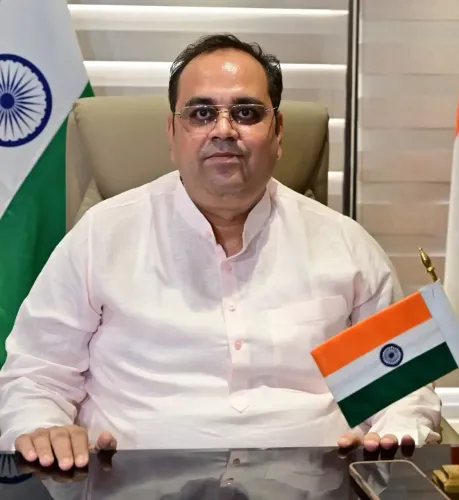
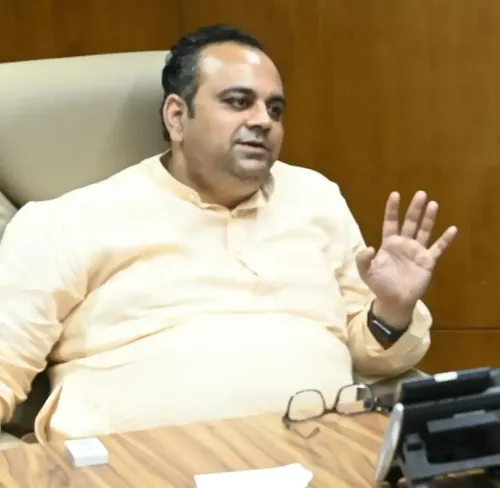
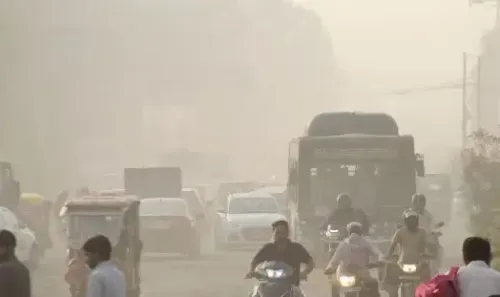
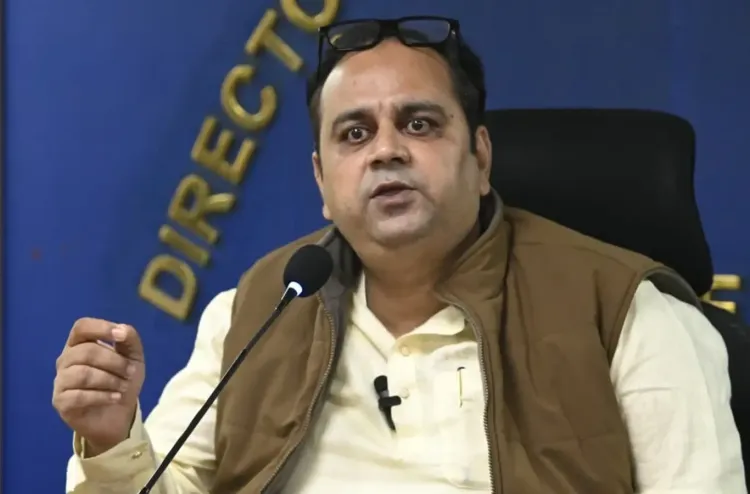
New Delhi, Dec 20 (NationPress) The Delhi Transport Minister, Pankaj Kumar Singh, announced on Saturday that the government’s comprehensive and coordinated strategy to combat air pollution is yielding promising outcomes. This strategy integrates structural transport reforms with enhanced public health measures.
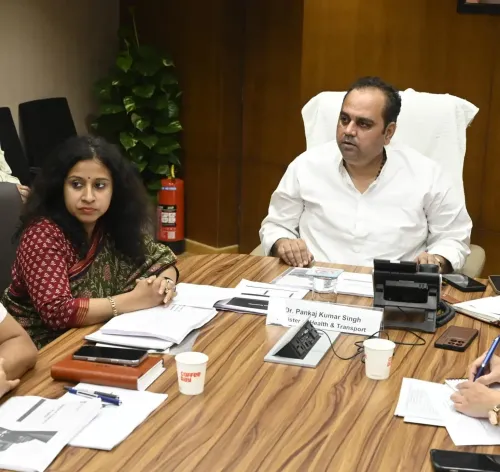
During his address, Singh emphasized the pivotal role of the Transport Department, stating that ongoing policy measures and rigorous enforcement are leading to noticeable improvements in air quality across the city.
He noted that areas previously plagued by severe pollution spikes are now showing signs of stabilization thanks to continuous interventions.
Transport emissions account for nearly 20-25 percent of Delhi’s overall pollution, positioning clean mobility as a crucial element of the government's strategy.
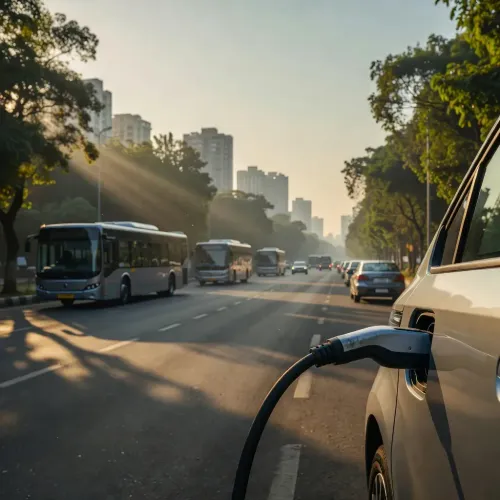
The Minister pointed out a remarkable increase in electric vehicle (EV) adoption, attributing this to the current government's initiatives. Last year, around 80,000 EVs were registered, and this year, over 100,000 electric vehicles have been registered in just ten months, with more time left in the year.
He acknowledged that delays in subsidy distribution by the previous administration had hindered EV adoption, affecting consumer trust. However, he assured that the current government is rolling out improved, citizen-focused EV policies that will enhance adoption rates and strengthen last-mile connectivity.
Singh also mentioned the momentum gained in public transport EV mobility, with 3,518 electric buses added to Delhi’s fleet since the current government took office. The aim is to expand this number to over 5,000 e-buses by March and exceed 7,000 by November 2026, marking a significant shift towards sustainable mass transportation.
Between December 17 and 19, the Delhi Traffic Police and the Transport Department conducted extensive enforcement operations, issuing 12,200 challans (3,752 on Dec 17, 4,132 on Dec 18, and 4,316 on Dec 19). Additionally, enforcement teams stopped approximately 1,492 vehicles from entering Delhi during the same period.
Dedicated teams, including DTC staff and Delhi Traffic Police, conducted thorough on-ground inspections to ensure compliance with pollution regulations and valid PUC certificates.
To enhance compliance, the Delhi Government has implemented a 24/7 PUC inspection mechanism at fuel stations, where two DTC personnel and a Delhi Police officer are stationed to ensure continuous checks.
This initiative mandates that fuel is only dispensed to vehicles with valid PUC certificates, reinforcing deterrence against violations.
The results of this initiative are becoming apparent. On December 19 alone, 47,600 PUC certificates were issued, and over 100,000 certificates were granted during the recent three-day enforcement drive, demonstrating both intensified enforcement and greater public involvement in pollution control.
Special enforcement operations took place at 15 major entry points into Delhi, leading to a significant increase in fines against polluting vehicles, affecting both local and outstation vehicles.
Technological advancements, including enhanced digital monitoring systems and improved vehicle identification methods, have also been implemented to ensure ongoing compliance.
“Effective pollution control requires more than just symbolic actions; it demands long-term strategies, expansion of clean mobility, and strict enforcement. Our government is committed to delivering sustainable solutions that will genuinely enhance Delhi's air quality,” Singh stated.
As the head of the Health Department, he added that an integrated approach is being adopted to protect citizens from the health impacts of air pollution, particularly respiratory issues like asthma. All government hospitals have been instructed to maintain adequate stocks of essential medicines, assign specialized doctors, and establish dedicated facilities for patients with pollution-related ailments.
Emergency readiness has been strengthened to ensure timely assistance during high-pollution periods.
Point of View
This report highlights the critical intersection of transportation policy and public health. The Delhi government’s proactive measures against air pollution represent a pivotal moment in urban governance, and the emphasis on electric vehicles is commendable. However, sustained efforts and community engagement will be essential for long-term success.
NationPress
18 Sept 2026
Frequently Asked Questions
What measures is the Delhi government taking to combat air pollution?
The Delhi government is implementing a comprehensive strategy that includes structural transport reforms and enhanced public health measures, alongside strict enforcement of pollution control norms.
How many electric vehicles have been registered in Delhi recently?
Over 100,000 electric vehicles have been registered in Delhi within the last ten months, marking a significant increase compared to the previous year's 80,000 registrations.
What role does the Transport Department play in pollution control?
The Transport Department is crucial in enforcing policies that reduce transport-related emissions, which account for 20-25 percent of Delhi's total pollution.
How is the government ensuring compliance with pollution norms?
The government has introduced a 24/7 PUC inspection mechanism at fuel stations and conducts regular enforcement operations to monitor compliance with pollution regulations.
What health measures are being taken for citizens affected by air pollution?
The Health Department is ensuring government hospitals have essential medicines and specialists available to treat pollution-related illnesses, while also enhancing emergency preparedness.