Will the Government Take Action Against Fake Fertilisers and Pesticides in the Upcoming Parliament Session?
Synopsis
In a proactive move to combat the rising issue of counterfeit agricultural products, the Indian government will propose a bill in the next Parliament session targeting fake fertilisers and pesticides. This initiative aims to safeguard farmers and ensure the integrity of agricultural practices.
Key Takeaways
New legislation will target fake fertilisers and pesticides.
Strict regulations will be enforced against fraudulent activities.
Guaranteed employment increased from 100 to 125 days .
Funds will be allocated based on panchayat needs .
Direct interaction between scientists and farmers will be enhanced.
New Delhi, Dec 21 (NationPress) The government has raised alarms regarding the distribution of counterfeit fertilisers, pesticides, and other unauthorized bio-stimulants, often marketed under deceptive names. To address this critical issue, a legislative bill aimed at combatting fake fertilisers and pesticides will be presented in the next Parliament session.
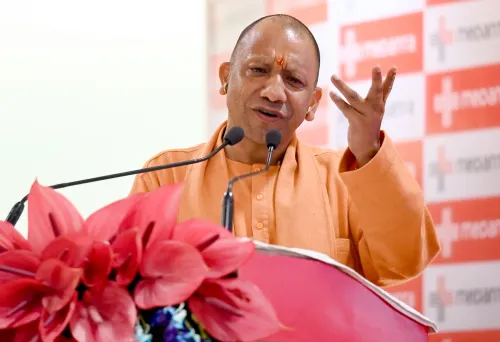
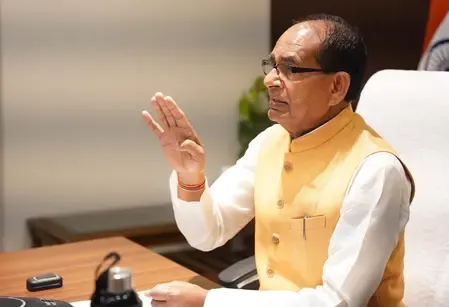
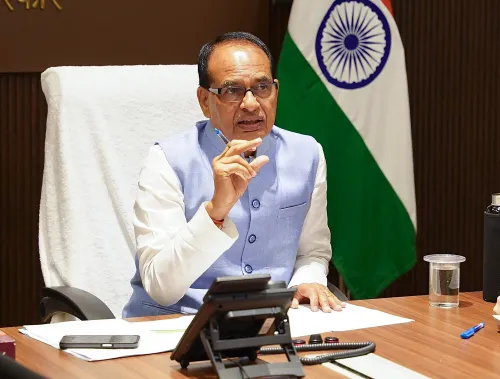
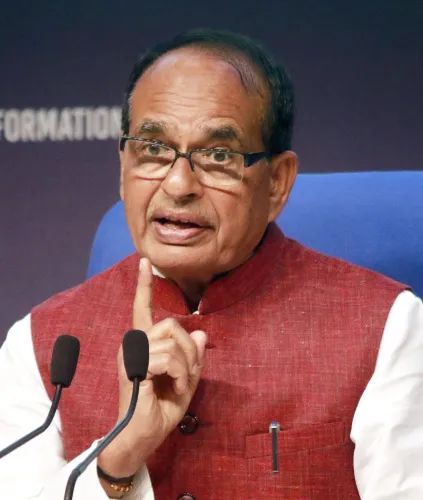
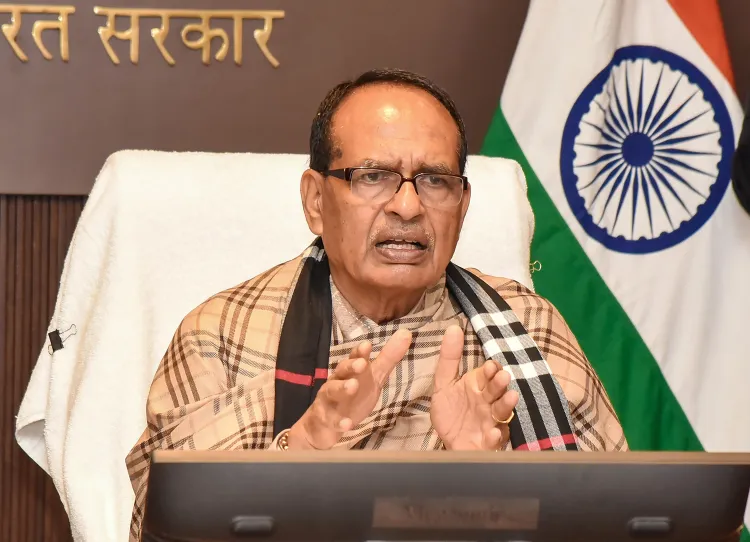
Agriculture Minister Shivraj Singh Chouhan stated that comprehensive measures are being taken to tackle these fraudulent practices.
“In the forthcoming Parliament session, we will introduce a new bill to combat these problems. Strict regulations will be enforced, and severe penalties will be imposed on unscrupulous traders,” he asserted.
During the ‘Chaudhary Charan Singh Kisan Samman Ceremony’ organized by the Kisan Trust at the PHD Chamber of Commerce and Industry, Chouhan also highlighted the recently enacted ‘Viksit Bharat – Guarantee for Employment and Livelihood Mission (Rural)’, popularly referred to as ‘G Ram G Law’. He emphasized that the core principle of this new legislation is to promote the welfare of the underprivileged.
He pointed out that this law has expanded guaranteed employment from 100 days to 125 days.
Chouhan noted that last year, an allocation of Rs 88,000 crore was made under MGNREGA, which was subsequently increased to Rs 1 lakh crore, and further to Rs 1.11 lakh crore.
“Shouldn't such large sums be effectively utilized for rural development projects?” he questioned. He remarked that the employment guarantee scheme could not fulfill its intended purpose solely through excavation activities, which often lead to corruption.
According to Chouhan, the new law introduces significant reforms by ensuring not only guaranteed employment but also visible progress in villages. Each village will create its own list of development projects, which will then be executed accordingly.
Employment generation and rural development will progress together—construction of schools, drainage systems, roads, culverts, and even farm roads will be undertaken under this initiative.
Chouhan elaborated that the law categorizes panchayats based on their developmental and employment requirements, with funds allocated accordingly. It also considers laborers involved in sowing, harvesting, and agricultural tasks. A robust effort has been made to establish a healthy balance between farmers and laborers.
The Minister emphasized that under the guidance of Prime Minister Narendra Modi, the government is committed to achieving improved results.
He underscored the necessity of direct communication between scientists and farmers, advancing the ‘Lab-to-Land’ vision to convey research findings directly to agricultural fields.
The government has decided that scientists will visit farms annually for direct interaction and knowledge exchange with farmers. He also encouraged researchers to align their studies with the genuine needs of farmers.
Point of View
This legislative initiative reflects the government's commitment to protecting agricultural integrity and supporting farmers. The proposed measures signify a proactive response to widespread malpractices, aligning with the broader goal of enhancing rural livelihoods.
NationPress
23 Sept 2026
Frequently Asked Questions
What is the purpose of the new bill?
The new bill aims to combat the sale of fake fertilisers and pesticides, ensuring safer and more reliable agricultural products for farmers.
How will this bill affect farmers?
The bill will protect farmers from dishonest traders and ensure they receive genuine agricultural products, thus improving their productivity and livelihoods.
What other initiatives are linked to this bill?
This bill is part of broader measures, including the 'Viksit Bharat – Guarantee for Employment and Livelihood Mission (Rural)' to enhance rural employment and development.
When will this bill be introduced?
The bill is set to be introduced in the upcoming session of Parliament.
What are some key features of the new law?
The law aims to establish strict regulations against fraudulent products, ensure employment generation, and facilitate direct interactions between scientists and farmers.