Vaishnaw: India now 2nd largest electrified rail network
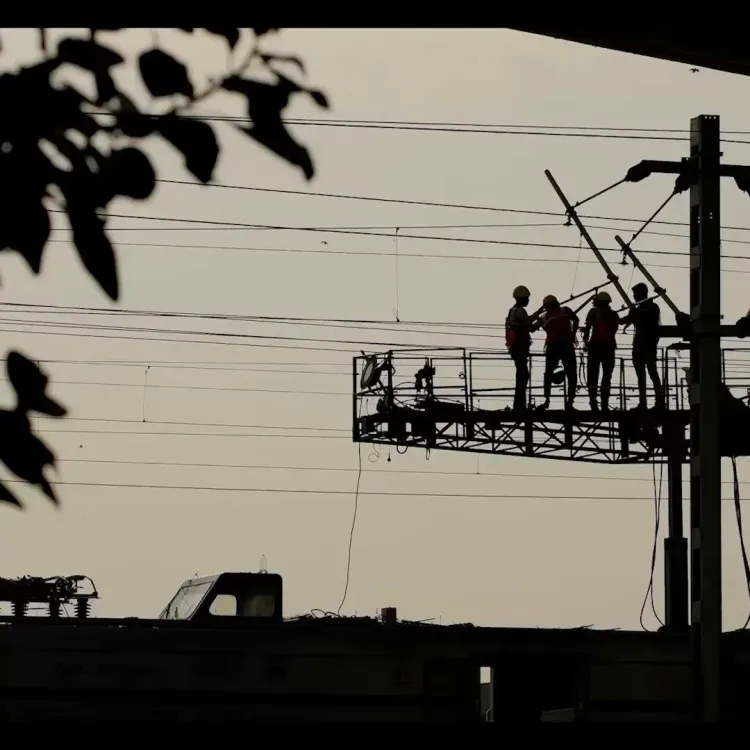
Synopsis
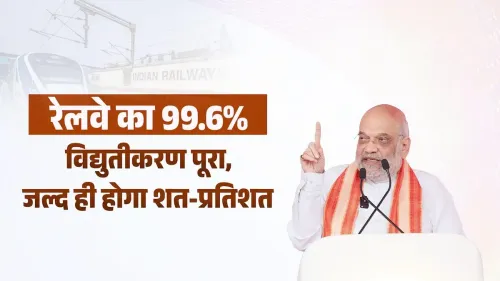
Union Minister Ashwini Vaishnaw announced on June 10, 2026 that India has become the world's second-largest electrified rail network, growing from 21,801 Rkm in 2014 to over 48,000 Rkm by 2026 — a 12-year sprint that surpassed six decades of prior progress.
Key Takeaways
India has been declared the 2nd largest electrified rail network in the world as of 2026 .
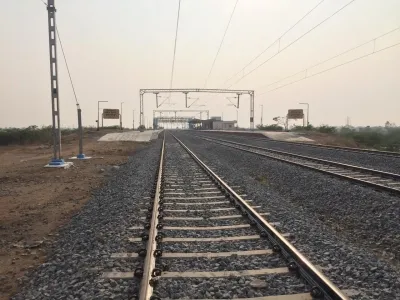
Electrified route kilometres grew from 21,801 Rkm in 2014 to over 48,000 Rkm by 2026 , an addition of more than 26,000 Rkm .
The government claims it achieved in 12 years what took the previous 60 years to build.
Annual electrification pace rose from under 1,000 km/year pre-2014 to over 4,000 km/year after the Cabinet's 2017 approval of 100 percent broad-gauge electrification.
The milestone supports India's net-zero commitments and the PM Gati Shakti multi-modal logistics framework.
Union Minister Ashwini Vaishnaw oversees Railways alongside the Information & Broadcasting and Electronics & IT portfolios.
Union Minister Ashwini Vaishnaw declared on Wednesday, June 10, 2026 that India has become the second-largest electrified rail network in the world, citing a surge in electrified route kilometres from 21,801 Rkm in 2014 to over 48,000 Rkm by 2026 — a feat he described as achieving in 12 years what had taken the previous six decades to begin.
Context
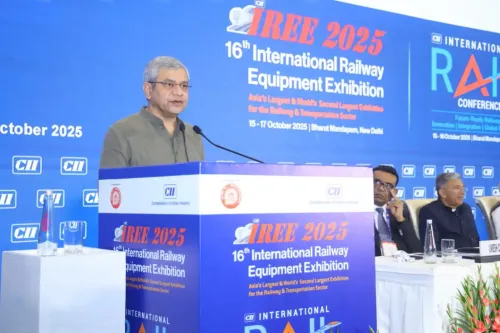
In a post on X, Vaishnaw stated: 'Bharat is now the 2nd largest electrified rail network in the world. What took 60 years before, we achieved it in just 12 years.' The minister highlighted the addition of over 26,000 route kilometres of electrified track between 2014 and 2026, contrasting it with the cumulative 21,801 Rkm built across all preceding decades. The post was accompanied by a video.
The claim places India ahead of most major rail economies in electrified coverage, a milestone the government has been building toward since announcing an accelerated electrification drive in the 2015-16 Railway Budget.
Policy Backdrop
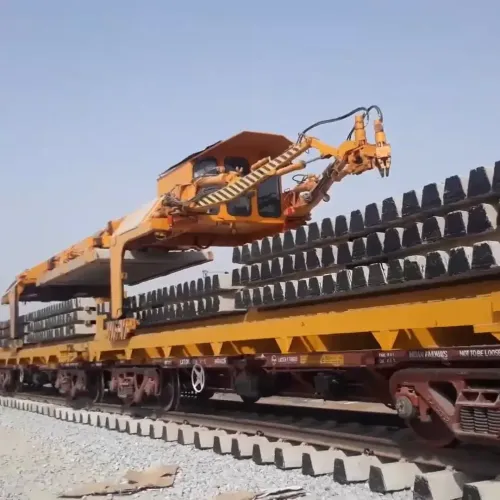
When the current administration took office in 2014, annual electrification commissioning was running at under 1,000 km per year. The Cabinet's 2017 approval of a 100 percent broad-gauge electrification target raised that pace to over 4,000 km per year, fundamentally reshaping the programme's ambition and delivery machinery.
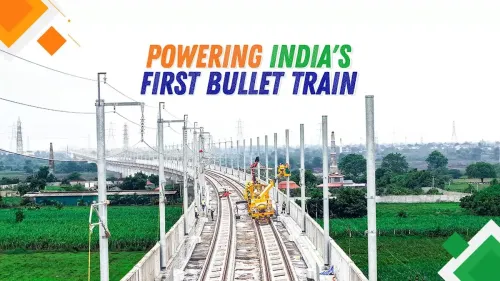
The drive sits within a broader post-2014 rail policy framework that also encompasses Dedicated Freight Corridors and the PM Gati Shakti national master plan for multi-modal logistics. Full electrification reduces dependence on imported diesel, lowers operating costs for Indian Railways — which operates over 68,000 route km as the world's fourth-largest rail system by total network — and supports India's national net-zero commitments.
Stakeholders and Impact
The transition to electric traction benefits railway passengers through faster, cleaner services, while freight operators stand to gain from lower haulage costs and more reliable schedules on electrified corridors. State electricity utilities become key partners in sustaining the network, supplying traction power at scale across the country.
Environmentally, eliminating diesel traction on broad-gauge routes reduces carbon emissions from one of India's largest public-sector energy consumers. The shift also aligns with India's pledge to run 50 percent of its energy needs from non-fossil sources by 2030, with Railways increasingly procuring renewable energy for traction.
What's Next
Attention now turns to the next Railway Budget cycle and whether the government will announce revised targets for renewable-energy procurement to power the expanded electrified network. Completing the final segments of the 100 percent broad-gauge electrification goal and integrating the electrified grid with dedicated freight and high-speed corridors will be the defining operational challenge ahead.
Vaishnaw's post signals that the government intends to keep rail electrification as a centrepiece of its infrastructure narrative heading into the next electoral and budget season.
Point of View
Positioning rail electrification as a signature governance achievement of the post-2014 era. The jump from 21,801 Rkm to 48,000-plus Rkm in twelve years represents a genuine structural acceleration, underpinned by the 2017 Cabinet mandate and a quadrupling of annual commissioning pace. Placing India second globally in electrified rail coverage also serves a geopolitical narrative — one that benchmarks Indian infrastructure against developed economies rather than regional peers. The broader policy arc connects electrification to freight cost reduction, renewable energy integration, and the PM Gati Shakti logistics vision, suggesting the government sees rail modernisation as a multi-dividend investment rather than a standalone metric.
NationPress
25 Oct 2026
Frequently Asked Questions
Is India really the 2nd largest electrified rail network in the world?
Union Minister Ashwini Vaishnaw claimed on June 10, 2026 that India holds the second position globally in electrified rail network size, citing over 48,000 route km of electrified track. The exact global ranking is based on the government's own figures and has not been independently verified in this report.
How many kilometres of rail has India electrified since 2014?
According to Vaishnaw, India added over 26,000 route kilometres of electrified track between 2014 and 2026, growing the network from 21,801 Rkm to more than 48,000 Rkm.
What is the 100 percent broad-gauge electrification target?
The Cabinet approved a target to electrify all broad-gauge routes in India in 2017, raising the annual commissioning pace from under 1,000 km to over 4,000 km per year to meet the goal.
Why is rail electrification important for India?
Electrification reduces India's dependence on imported diesel, lowers operating costs for Indian Railways, cuts carbon emissions, and supports the country's net-zero climate commitments and the PM Gati Shakti logistics framework.
Who is Ashwini Vaishnaw and what ministries does he handle?
Ashwini Vaishnaw is a senior BJP leader and Union Minister holding the Railways, Information & Broadcasting, and Electronics & Information Technology portfolios; he has overseen rail modernisation since 2021.