Vaishnaw Highlights Rail Push Powering Northeast Growth
Synopsis
Union Minister Ashwini Vaishnaw marked twelve years of the Modi government by spotlighting rail connectivity as the driver of Northeast India's shift from isolated frontier to national growth engine, citing accelerated infrastructure investment across the eight-state region since 2014.
Key Takeaways
Union Minister Ashwini Vaishnaw posted on 20 June 2026 under #12YearsOfRisingNorthEast , highlighting rail connectivity as central to the region's development.
Indian Railways has sanctioned new lines, gauge conversions and major bridges across Assam, Arunachal Pradesh, Manipur and Nagaland since 2014 .
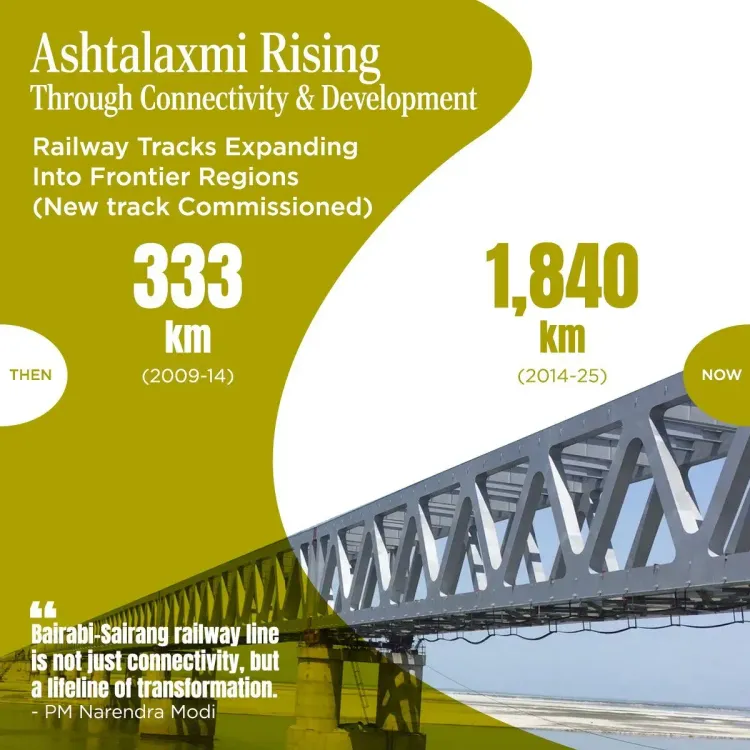
The Bogibeel rail-cum-road bridge , dedicated in 2018 , is among the most significant completed milestones of the Northeast rail push.
Projects are anchored within the Act East Policy framework, linking domestic connectivity to India's strategic engagement with Southeast Asia.
Rail lines to state capitals Itanagar and Imphal remain among the key pending connectivity targets.
The post frames the Northeast's trajectory as a shift from 'remote frontiers to growth engine of the nation.'
Union Minister Ashwini Vaishnaw on Saturday, 20 June 2026 highlighted the transformative role of rail connectivity in Northeast India, framing the region's journey from 'remote frontiers to growth engine of the nation' as a defining outcome of infrastructure investments made under Prime Minister Narendra Modi's government over the past twelve years.
Context
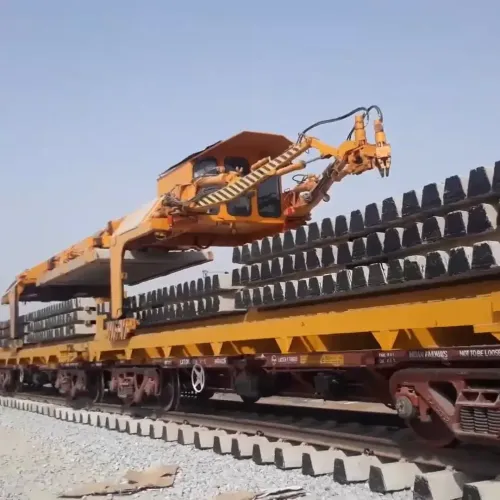
Vaishnaw posted on X under the hashtag #12YearsOfRisingNorthEast, marking a milestone in the ruling government's tenure and drawing attention to rail expansion as a central pillar of the region's development. The post was accompanied by two images illustrating rail infrastructure in the Northeast. The minister's message — 'Rail connectivity is powering a new era of transformation across the Northeast' — positions railways as the backbone of a broader economic integration effort.
Policy Backdrop
Indian Railways has steadily scaled up capital expenditure in the Northeast since 2014, sanctioning new lines, gauge conversions, doubling works and major bridges across Assam, Arunachal Pradesh, Manipur and Nagaland. The Bogibeel rail-cum-road bridge, dedicated in 2018, stands as one of the most visible milestones of this acceleration, linking the north and south banks of the Brahmaputra and cutting travel time significantly for border communities. These projects sit within the government's Act East Policy, formally launched in 2014, which ties domestic Northeast connectivity to India's broader strategic and economic engagement with Southeast Asian nations.
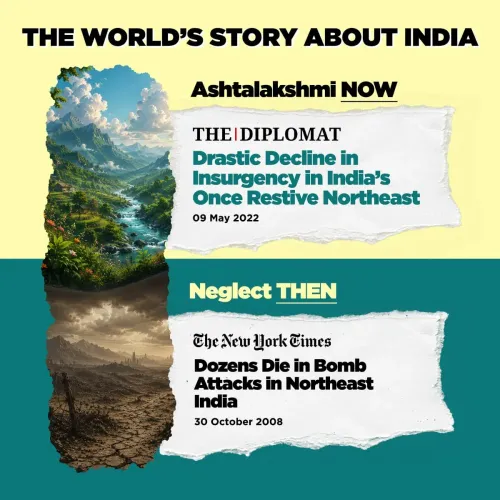
Railway budgets over the past decade have consistently prioritised the eight-state region, historically marked by difficult terrain, insurgency and limited infrastructure. The cumulative push has been framed by the government as a national integration imperative as much as an economic one.
Stakeholders and Impact
The primary beneficiaries of expanded rail connectivity are Northeast residents, particularly communities in remote and border areas that previously depended on road transport through difficult mountain terrain. Regional businesses stand to gain from lower logistics costs and faster movement of goods to mainland Indian markets. Border communities in states such as Manipur and Arunachal Pradesh also gain strategic significance as rail links approach international frontiers, supporting both trade and security objectives.
The broader economic argument — that connectivity converts geographic isolation into market access — underpins the 'growth engine' framing Vaishnaw deployed. Critics and independent analysts have noted, however, that infrastructure alone does not guarantee equitable development without complementary investment in industry, skills and local governance.
What's Next
Attention will now turn to the completion timelines for rail lines to state capitals still awaiting full connectivity, including Itanagar in Arunachal Pradesh and Imphal in Manipur. Any fresh project announcements or enhanced funding allocations in the next Union Budget will be closely watched as a signal of whether the pace of investment is sustained. Vaishnaw's post, timed to the twelve-year mark of the current government, also sets a political benchmark against which progress in the Northeast will continue to be measured.
Point of View
Deploying the twelve-year milestone to consolidate the BJP's Northeast narrative ahead of what remains a strategically contested electoral terrain. Rail infrastructure — visible, tangible and cross-partisan in its appeal — is the government's most defensible exhibit in the region, making it the natural centrepiece of anniversary messaging. The 'growth engine' framing signals an intent to shift the Northeast's political identity from a zone of grievance and insurgency to one of aspiration and integration. Whether that narrative holds will depend on how quickly pending connectivity projects, particularly lines to Itanagar and Imphal, are delivered.
NationPress
19 Sept 2026
Frequently Asked Questions
What did Ashwini Vaishnaw say about Northeast India rail connectivity?
Vaishnaw stated that rail connectivity is 'powering a new era of transformation' in Northeast India under PM Modi's leadership, marking twelve years of the current government's infrastructure push in the region.
Which rail projects have been completed in Northeast India under the Modi government?
The Bogibeel rail-cum-road bridge in Assam, dedicated in 2018 , is among the most prominent completed projects. Multiple new lines, gauge conversions and doubling works have also been sanctioned across Assam, Arunachal Pradesh, Manipur and Nagaland.
What is the Act East Policy and how does it relate to Northeast rail connectivity?
The Act East Policy , launched in 2014 , links India's domestic Northeast connectivity drive to its strategic and economic engagement with Southeast Asian nations, making rail infrastructure a dual-purpose investment in integration and diplomacy.
Which Northeast state capitals still lack full rail connectivity?
Itanagar in Arunachal Pradesh and Imphal in Manipur are among the state capitals where rail lines are still under construction or pending completion.
What is #12YearsOfRisingNorthEast?
It is a hashtag used by BJP leaders and the government to mark twelve years of the Modi administration, highlighting development milestones in Northeast India including rail, roads, airports and economic growth.