Vaishnaw Marks 12 Years of PM Modi's Governance
Synopsis
Union Minister Ashwini Vaishnaw marked PM Narendra Modi's 12 continuous years in office on 10 June 2026, posting under #LongestServingElectedPMModi and framing the period as one of sustained national transformation since the BJP's landmark 2014 election victory.
Key Takeaways
Ashwini Vaishnaw posted on X on 10 June 2026 marking 12 years of PM Narendra Modi in office.
The post used the hashtag #LongestServingElectedPMModi , framing Modi's tenure as the longest continuous single-leader governance in recent Indian democratic history.
Modi was first sworn in on 26 May 2014 and has since led three consecutive BJP-led governments after wins in 2014 , 2019 , and 2024 .
The messaging aligns with the BJP 's broader narrative of stable, long-term governance centred on infrastructure, digital public goods, and welfare delivery.
Vaishnaw holds the Railways , Information and Broadcasting , and Electronics and IT portfolios — central to the government's development agenda over this period.
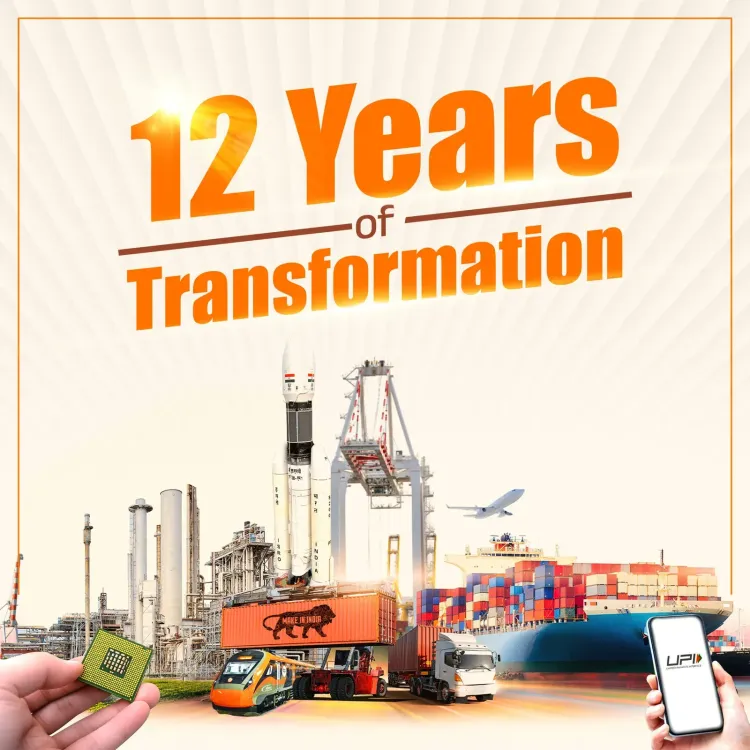
Union Minister Ashwini Vaishnaw on Wednesday, 10 June 2026 took to X to mark 12 years of Prime Minister Narendra Modi in office, sharing a post under the hashtag #LongestServingElectedPMModi and calling the period '12 Years of Transformation.'
Context
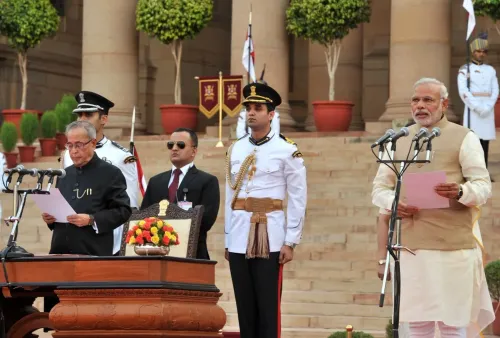
Narendra Modi was first sworn in as Prime Minister on 26 May 2014, following the Bharatiya Janata Party's landmark majority victory in the general elections that year — ending a decade of United Progressive Alliance rule. He secured a second consecutive majority in 2019 and began a third term after the 2024 general elections, making his tenure one of the longest unbroken runs at the head of a single-party-led government in recent Indian democratic history.
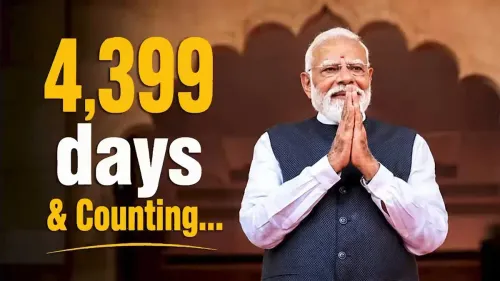
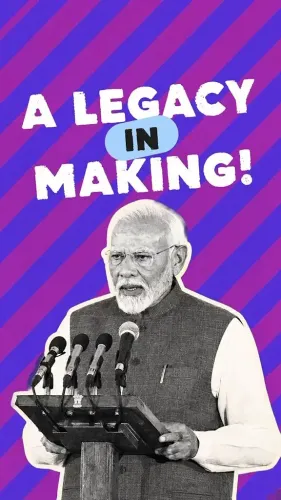
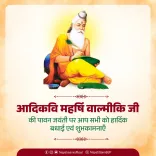
Vaishnaw's post, accompanied by an image, uses the phrase '12 Years of Transformation' to frame the period as a sustained arc of national change rather than a series of discrete terms.
Policy Backdrop
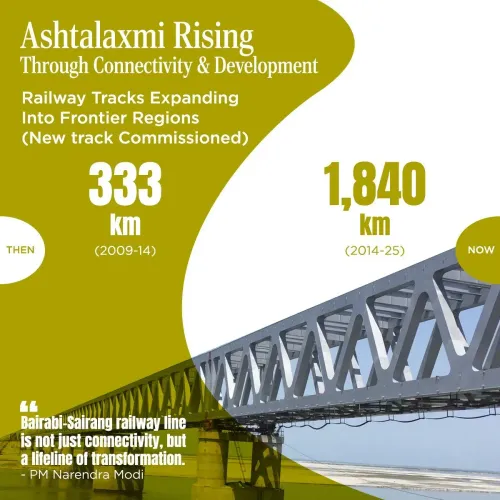
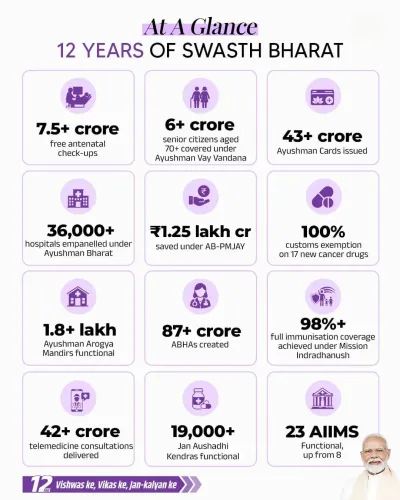
The 12-year period since 2014 has been characterised by a consistent push across infrastructure, digital public goods, and direct-benefit welfare delivery. Major initiatives spanning railway modernisation, broadband expansion, and large-scale welfare schemes have been central to the BJP government's self-described development narrative.
Vaishnaw himself has been a key executor of this agenda, holding charge of the Railways, Information and Broadcasting, and Electronics and Information Technology ministries — portfolios that sit at the intersection of physical and digital infrastructure, two pillars the government has consistently highlighted over this period.
Stakeholders and Impact
The post is directed at a broad audience of BJP supporters and the wider Indian electorate, reinforcing a party narrative of long-term, stable governance. Such messaging carries particular resonance as the BJP seeks to consolidate its national positioning ahead of future state-level electoral cycles.
For ordinary citizens, the framing of 12 years as a unified transformation invites assessment of tangible outcomes — from railway passenger capacity and digital-payment penetration to welfare-scheme coverage — across successive terms.
What's Next
As PM Modi's third term progresses, the BJP's communication apparatus is expected to continue building the 'transformation' narrative around milestone anniversaries of the 2014 mandate. State assembly elections in the coming months will test how effectively this long-tenure messaging translates into local electoral outcomes, and whether the 'longest-serving elected PM' framing gains wider traction in public discourse.
Point of View
Timed to cement the BJP's 'transformation' brand around a twelve-year milestone that few Indian governments have reached. By invoking the 'longest-serving elected PM' frame, the party positions longevity itself as a democratic achievement — stability as a policy outcome. The move reflects a broader BJP communication strategy of converting electoral continuity into a governance credential, particularly as state-level contests loom. How receptive a fatigued or aspirational electorate proves to this backward-looking milestone framing will be a useful signal of the party's messaging headroom going into the next electoral cycle.
NationPress
26 Oct 2026
Frequently Asked Questions
How long has Narendra Modi been Prime Minister of India?
As of June 2026, Narendra Modi has served as Prime Minister of India for 12 continuous years, having first taken office on 26 May 2014 after the BJP's majority victory in the general elections.
What does #LongestServingElectedPMModi mean?
The hashtag refers to Narendra Modi's status as the longest-serving elected Prime Minister in recent Indian history, having led three consecutive BJP-led governments since 2014 without interruption.
Why did Ashwini Vaishnaw post about 12 years of Modi?
Vaishnaw's post marks the 12th anniversary of Modi's first swearing-in in May 2014, framing the period as '12 Years of Transformation' — consistent with the BJP's broader narrative of sustained governance and development.
Which ministries does Ashwini Vaishnaw hold?
Ashwini Vaishnaw is Union Minister for Railways, Information and Broadcasting, and Electronics and Information Technology, making him a senior figure in the BJP government's infrastructure and digital agenda.
How many terms has Narendra Modi served as Prime Minister?
Narendra Modi has served three consecutive terms as Prime Minister — first elected in 2014, re-elected in 2019, and beginning a third term after the 2024 general elections.