Trump Announces Chiricahua as America's Newest National Park
Synopsis
President Donald J. Trump announced on October 26, 2026, that Chiricahua National Monument in southeastern Arizona — a volcanic rock landscape protected since 1924 — is being elevated to a full National Park, the newest flagship in the American park system.
Key Takeaways
President Trump announced Chiricahua National Monument in Arizona as the country's newest flagship National Park on October 26, 2026 .
Chiricahua has been federally protected as a national monument since 1924 under the Antiquities Act of 1906 .
Elevating a monument to national park status historically requires an act of Congress , not just an executive order.
The upgrade typically brings higher National Park Service funding, expanded infrastructure, and increased tourism.
Arizona is already home to several national parks including the Grand Canyon and Petrified Forest .
Congressional action and Department of the Interior rulemaking will determine how the formal transition is implemented.
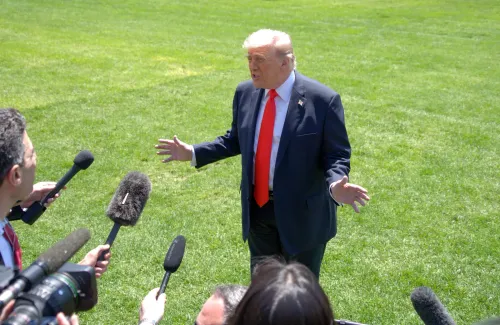
A volcanic rock wilderness in the heart of southeastern Arizona is getting the highest designation in American public lands. President Donald J. Trump announced on Monday, October 26, 2026, that Chiricahua National Monument would be elevated to a full National Park — the newest flagship in the country's celebrated park system.
From Monument to Park: What the Upgrade Actually Means
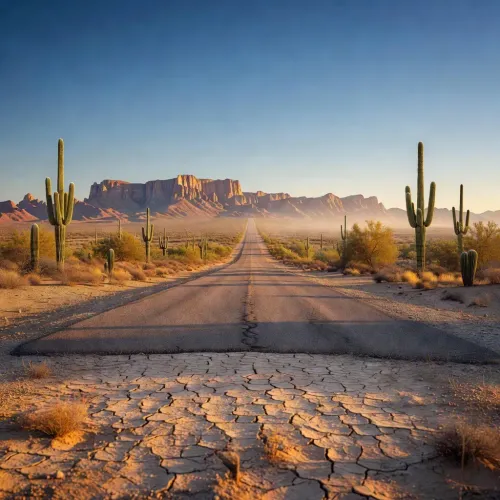
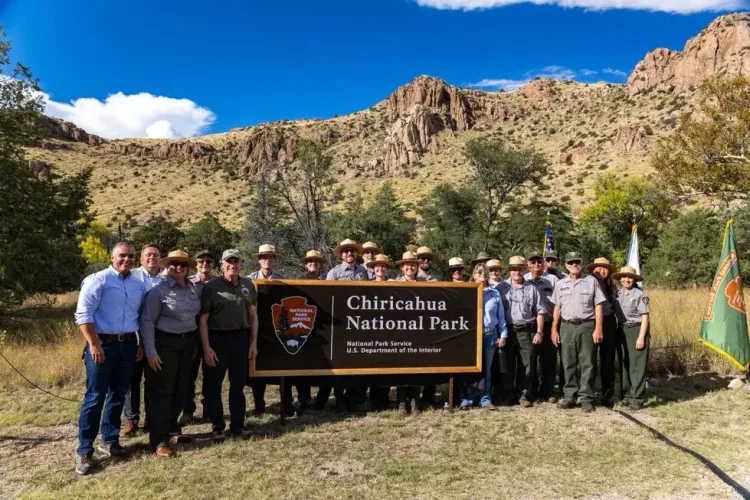
Chiricahua has carried federal protection since 1924, when it was designated a national monument under the Antiquities Act of 1906 — one of the earliest uses of that law to shield a geological wonder in the American West. The site is renowned for its cathedral-like columns of volcanic rhyolite, shaped by ancient eruptions and millions of years of erosion, rising dramatically from the Dos Cabezas Mountains of Cochise County, Arizona.
Elevating a monument to a national park is not a small administrative step. Historically, such a change requires an act of Congress rather than an executive order alone — meaning the White House announcement signals a major legislative or Interior Department process either already completed or now set in motion. The upgrade typically unlocks higher federal funding, expanded National Park Service infrastructure, and a sharper profile for tourism and conservation.
Trump's Public Lands Play in the West
Presidential announcements on park and monument designations have long served as high-visibility signals of an administration's conservation posture. Trump's proclamation — delivered with characteristic all-caps energy and the phrase 'Making Our Parks, and Arizona, Great Again' — plants the administration firmly in the tradition of headline-grabbing public-lands action in the western United States.
Arizona already hosts the Grand Canyon, Petrified Forest, and Saguaro national parks, among others. Adding Chiricahua to that roster elevates a site that, while beloved by birders and hikers, has historically flown under the radar compared to the state's marquee destinations. The announcement signals a direct economic and tourism windfall for the sparsely populated southeastern corner of the state.
What Comes Next for Chiricahua
The National Park Service and the Department of the Interior will now be closely watched for formal rulemaking, boundary definitions, and revised funding allocations. Congressional confirmation — if not already secured — remains the critical next step before the designation is locked in law. Arizona residents, tribal communities with deep ties to the Chiricahua region, and conservationists will all be stakeholders in how the transition unfolds on the ground.
For a landscape that has waited over a century for this moment, the president's announcement is the loudest signal yet that Chiricahua's era as a footnote in the national park canon is over.
Point of View
Not just progressive, value. However, the hard question is legislative: without confirmed congressional action, the proclamation is a signal, not yet a statute. How quickly the Interior Department and Congress formalise the change will reveal whether this is landmark policy or political theatre with a scenic backdrop.
NationPress
26 Oct 2026
Frequently Asked Questions
What is Chiricahua National Park in Arizona?
Chiricahua is a region in southeastern Arizona famous for its towering volcanic rock formations. It was protected as a national monument since 1924 and has now been announced as a full National Park by President Trump.
How is a national monument upgraded to a national park in the US?
Upgrading a national monument to a national park typically requires an act of Congress, unlike monument designations which can be made by presidential proclamation under the Antiquities Act. Congressional legislation locks in the status, funding, and boundaries.
When was Chiricahua National Monument established?
Chiricahua National Monument was established in 1924 through a presidential proclamation under the Antiquities Act of 1906 , making it one of the earlier federally protected sites in the American Southwest.
Which national parks are already in Arizona?
Arizona is home to several national parks including the Grand Canyon, Petrified Forest, and Saguaro. Chiricahua, if the designation is formalised, would join this list as the state's newest national park.
What does Trump's Chiricahua National Park announcement mean for Arizona?
The announcement is expected to bring increased tourism, higher federal funding through the National Park Service, and expanded infrastructure to southeastern Arizona — one of the state's more remote and less-visited corners.