Riyadh airport partially reopens amid Houthi missile strikes, travel warnings
Synopsis
King Khalid International Airport in Riyadh has partially reopened — but the Houthis are still telling airlines and passengers to stay away. With missiles landing near residential areas, oil facility threats aimed at Aramco shareholders, and 56 Saudi airstrikes claimed over a single day, the Yemen conflict has sharply escalated into one of its most volatile cycles in recent memory.
Key Takeaways
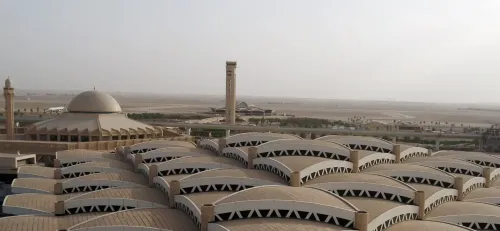
King Khalid International Airport in Riyadh partially reopened on 26 October after Houthi missile attacks forced a suspension of operations.
Houthi military spokesman Yahya Sarea warned airlines and travellers that the airport remains 'unsafe' and cautioned against using Saudi airspace.
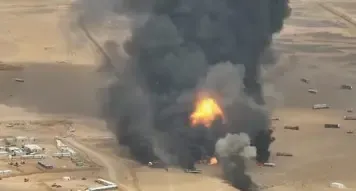
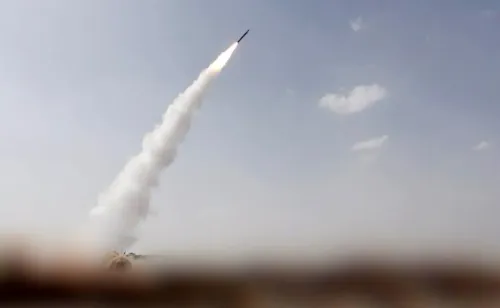
The Houthi group claimed three separate ballistic missile attacks on Sunday, targeting Riyadh airport, King Khalid Air Base in Khamis Mushait, and a naval base in Jazan .
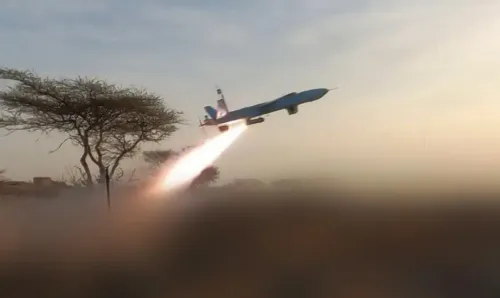
The Saudi-led coalition intercepted 12 missiles and 2 drones ; falling debris injured 2 people and damaged 3 buildings and 7 vehicles .
The Houthi-controlled Saba news agency warned workers away from Saudi oil facilities and cautioned Saudi Aramco shareholders of potential 'losses.' Arab League Secretary-General Nabil Fahmy reaffirmed solidarity with Saudi Arabia during a meeting with UN Secretary-General Antonio Guterres in Cairo .
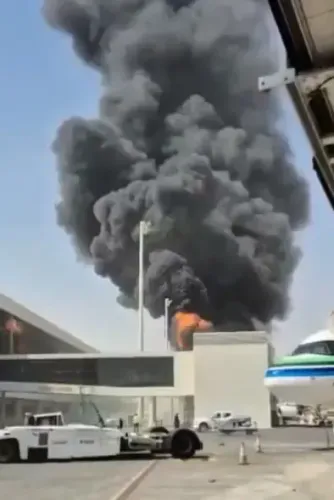
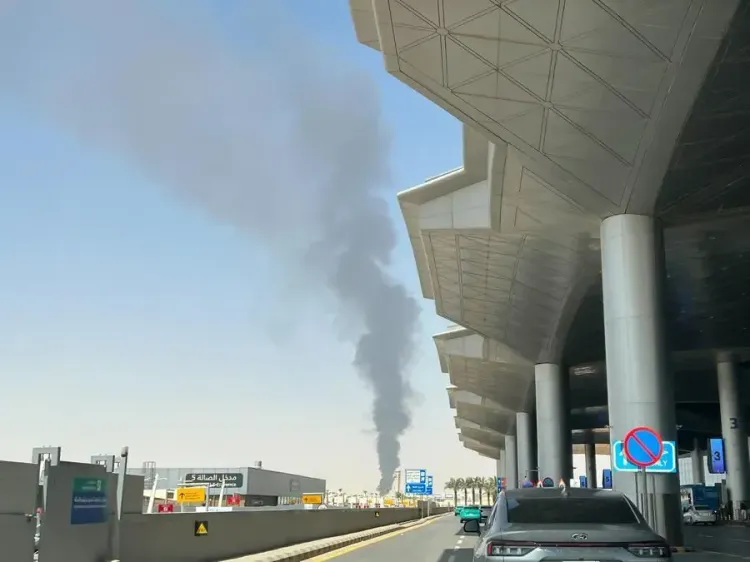
King Khalid International Airport in the Saudi capital Riyadh partially resumed operations on 26 October after a suspension triggered by a wave of Houthi missile and drone attacks that caused deaths and injuries. Even as flights began to trickle back, Yemen's Houthi group renewed warnings to airlines, employees, and travellers to avoid the airport, calling it categorically 'unsafe.'
The Houthi Strikes and Targets
On Sunday, the Houthi group claimed it had launched 'dozens of ballistic missiles' across three separate attacks on the kingdom. The first strike, according to Houthi military spokesman Yahya Sarea, targeted King Khalid International Airport and 'successfully achieved its objective.' The second and third attacks reportedly struck King Khalid Air Base in Khamis Mushait and a Saudi Border Guard naval base in Jazan.
Sarea also issued a sweeping warning against the use of Saudi airspace, with the notable exception of airspace over Mecca and Medina. Separately, the Houthi-controlled Saba news agency quoted a military source warning workers and civilians 'not to approach Saudi oil facilities' and cautioning Saudi Aramco shareholders of 'losses' if they continued holding shares in the company.
Coalition Intercepts and Civilian Damage
The Saudi-led coalition said it intercepted and destroyed a total of 12 missiles and 2 drones targeting the kingdom, including a ballistic missile and two drones aimed at the Riyadh region. Despite the intercepts, debris from two ballistic missiles fell in the Khamis Mushait and Ahad Rafidah governorates.
The Saudi General Directorate of Civil Defence confirmed that a Saudi citizen and an Asian resident were injured from the falling debris. Additionally, three residential buildings and seven vehicles were damaged, underlining the civilian toll of interception operations even when missiles are neutralised mid-flight.
Houthi Justification and Saudi Strikes on Yemen
The Houthi group framed Sunday's barrage as retaliation for what it described as 'Saudi aggression' on Sanaa and other Houthi-held areas the day prior, which it said left 'dozens of people killed or wounded, including women and children.' Houthi spokesman Sarea claimed Saudi forces had carried out 56 air and missile strikes over the preceding 24 hours, targeting what he characterised as 'civilian sites' across the provinces of Hajjah, Lahj, Amran, Saada, Al-Jawf, Taiz, and Ibb.
Separately, loud explosions were heard on Sunday evening in Yemen's southern port city of Aden, centred around the Salah al-Din area of Al-Buraiqa district — a strategically significant zone housing key military bases of both government forces and the coalition. There were no immediate reports of casualties or damage, and the Houthi group had not commented at the time of reporting.
Regional and Diplomatic Backdrop
The escalation drew a swift diplomatic response. Arab League Secretary-General Nabil Fahmy, meeting UN Secretary-General Antonio Guterres in Cairo on Sunday, said the League 'rejected attacks on Arab countries' and reaffirmed solidarity with Saudi Arabia and its right to defend its security and sovereignty.
This comes amid the broader context of a conflict now entering its second decade. Yemen has been engulfed in civil war since late 2014, when the Houthis seized Sanaa and large swathes of northern Yemen. The Saudi-led coalition entered the conflict in 2015 in support of the internationally recognised Yemeni government. The latest exchanges mark a sharp escalation from recent weeks, with intensified ground fighting accompanying aerial bombardments on both sides. How Saudi Arabia and the coalition respond to fresh civilian infrastructure targeting — particularly at one of the region's busiest airports — will likely shape the trajectory of the conflict in the weeks ahead.
Point of View
While diplomatically expected, changes nothing on the ground. What the international community has consistently failed to address is a durable ceasefire mechanism — a decade of conflict and countless truces have not produced one, and the cycle of retaliatory strikes is now self-sustaining.
NationPress
26 Oct 2026
Frequently Asked Questions
Why did King Khalid International Airport in Riyadh suspend operations?
The airport suspended operations following a series of Houthi ballistic missile attacks that caused multiple deaths and injuries. It partially reopened on 26 October even as the Houthi group continued to warn airlines and travellers to avoid it, calling the airport 'unsafe.'
What did the Houthis target in their Sunday attacks on Saudi Arabia?
The Houthi group claimed three attacks: the first targeted King Khalid International Airport in Riyadh, the second struck King Khalid Air Base in Khamis Mushait, and the third hit a Saudi Border Guard naval base in Jazan. The group said all attacks 'successfully achieved their objectives.'
How did the Saudi-led coalition respond to the missile attacks?
The Saudi-led coalition said it intercepted and destroyed 12 missiles and 2 drones launched at the kingdom, including a ballistic missile and two drones aimed at the Riyadh region. Despite the intercepts, debris injured two people and damaged three buildings and seven vehicles in Khamis Mushait and Ahad Rafidah.
Why are the Houthis warning against Saudi Aramco shares?
The Houthi-controlled Saba news agency quoted a military source cautioning Saudi Aramco shareholders of 'losses' if they continued holding shares, while simultaneously warning workers and civilians to stay away from Saudi oil facilities. The threat signals a deliberate expansion of the Houthi campaign from military to economic targets.
How long has the Yemen conflict been ongoing?
Yemen has been in conflict since late 2014, when the Houthis seized the capital Sanaa and much of northern Yemen. The Saudi-led coalition intervened in 2015 in support of the internationally recognised Yemeni government, making this a conflict of more than a decade with no durable peace settlement in place.