Houthis launch large-scale missile, drone strikes on Saudi airport, Aramco
Synopsis
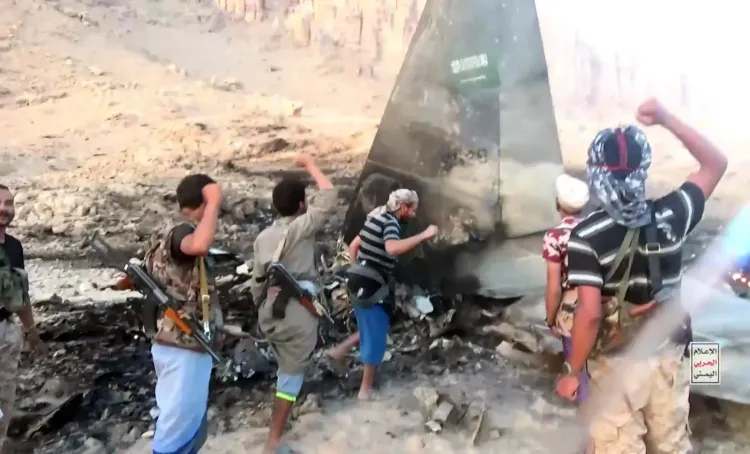
Yemen's Houthis have claimed a sweeping missile and drone barrage targeting Saudi Aramco facilities and Riyadh's main international airport — days after a prior strike at the same airport killed 12 people and injured 309. With the group explicitly vowing deeper strikes on Saudi energy and aviation targets, the UN-brokered 2022 truce now looks effectively dead.
Key Takeaways
Houthi spokesperson Yahya Sarea on 14 October claimed strikes on Saudi Aramco in Dhahran and King Khalid International Airport in Riyadh .
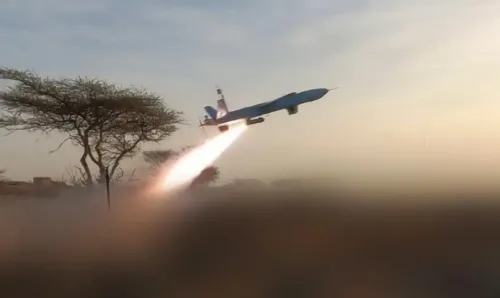
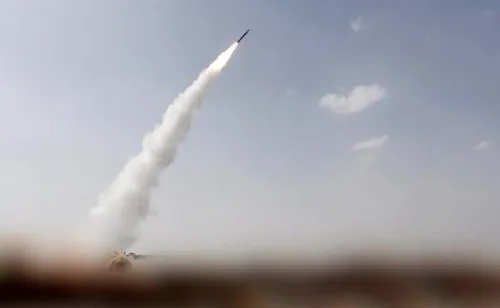
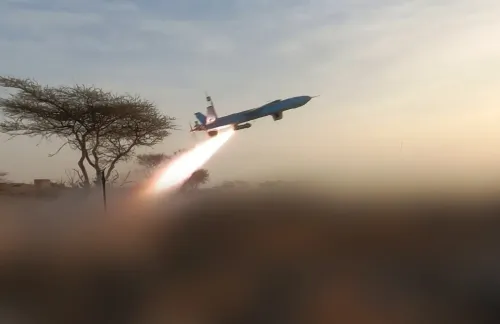
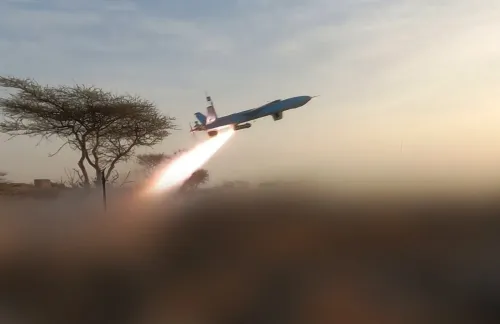
The operation reportedly involved 'a large number of ballistic and cruise missiles and drones,' according to the Houthis.
The Saudi-led coalition said it intercepted 6 missiles and 3 drones ; debris over Riyadh injured 4 people and damaged 15 homes .
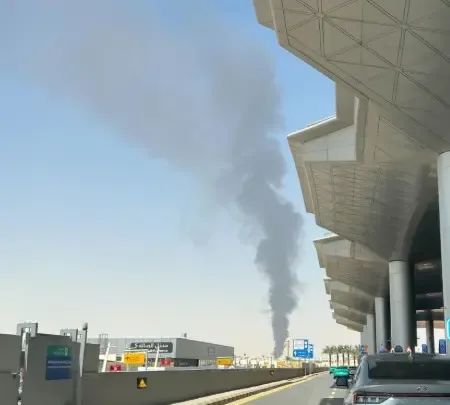
A prior Houthi attack on King Khalid Airport on Saturday killed 12 people and injured 309 others .
The Houthis cited 2,281 Saudi-led air and missile strikes since the latest escalation began as justification for the retaliation.
The UN-brokered 2022 truce has effectively broken down, with both sides trading large-scale strikes on civilian and energy infrastructure.
Yemen's Houthi group on Wednesday, 14 October claimed a large-scale missile and drone assault targeting King Khalid International Airport in Riyadh and Saudi Aramco oil facilities, vowing to escalate cross-border strikes in the days ahead. The announcement marks a sharp intensification of hostilities between the Houthis and the Saudi-led coalition in one of the region's most protracted conflicts.
What the Houthis Claimed
Houthi military spokesperson Yahya Sarea, speaking in a statement broadcast by the group's al-Masirah TV, said the operation targeted Saudi Aramco facilities in Dhahran in the Eastern Province, as well as an Aramco refinery and King Khalid International Airport in Riyadh. Sarea said the strike involved 'a large number of ballistic and cruise missiles and drones,' which he claimed accurately hit their targets, causing damage and fires.
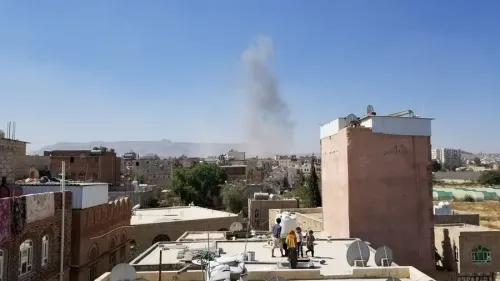
The spokesperson described the operation as retaliation for Saudi-led air and missile strikes on the Houthi-held capital of Sanaa and other areas under the group's control, saying Saudi-led forces had carried out 2,281 air and missile strikes since the latest escalation began, according to reports.
Saudi Interceptions and Reported Damage
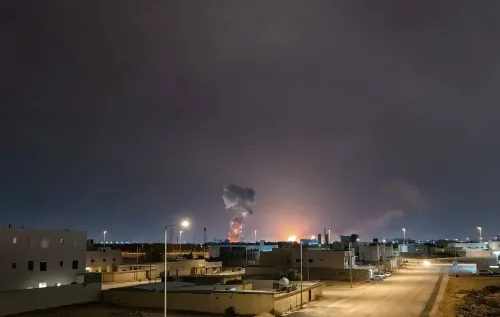
The Saudi-led coalition said it had intercepted six Houthi missiles and three drones heading towards Saudi Arabia on Tuesday. Saudi authorities confirmed that an Aramco administrative building in Dhahran was struck Tuesday evening, sparking a limited fire. Debris from two cruise missiles intercepted over Riyadh injured four people and damaged 15 homes, Saudi authorities said on Wednesday.
Notably, a Houthi attack on a passenger terminal at King Khalid International Airport on Saturday killed 12 people and injured 309 others, according to the Saudi General Authority of Civil Aviation. The Saudi-led coalition subsequently vowed a firm response to that attack.
Houthi Warning to Airlines and Civilians
Sarea renewed a warning to international airlines, civilians, and employees to stay away from airports and oil facilities in Saudi Arabia that the group has designated as targets. He said strikes 'deep inside Saudi Arabia' would continue targeting airports and energy infrastructure in the coming days, raising concerns over the safety of commercial aviation routes and regional energy supply chains.
Background and Escalation Timeline
The latest Houthi operations followed a series of Saudi-led coalition strikes on Tuesday that targeted the Yemen Petroleum Company's Al-Sabaha fuel storage and distribution facility west of Sanaa, as well as fuel facilities in the Red Sea province of Hodeidah.
Yemen has been engulfed in conflict since late 2014, when the Houthis seized Sanaa and much of northern Yemen. A Saudi-led coalition intervened in 2015 in support of the internationally recognised Yemeni government. Major hostilities had largely subsided following a UN-brokered truce in 2022, before the latest fighting triggered a sharp escalation in ground battles and cross-border missile, drone, and air attacks. This cycle of strikes and counter-strikes signals the truce framework has effectively collapsed.
With Houthi commanders explicitly vowing further attacks on Saudi energy and aviation infrastructure, and the Saudi-led coalition pledging a firm response, the risk of a sustained and wider regional confrontation is rising.
Point of View
Not merely to score tactical points. The 2022 UN truce was always fragile — premised on a frozen conflict rather than a political settlement — and these exchanges suggest it is now a dead letter. What mainstream coverage underweights is the energy market exposure: sustained Houthi pressure on Aramco's Eastern Province facilities, even if largely intercepted, keeps a risk premium alive in global crude prices. The deeper contradiction is that Saudi Arabia must weigh the cost of an open-ended air campaign against Yemen against the political optics of a civilian airport being struck on its own soil — a vulnerability no amount of air-defence investment has fully resolved.
NationPress
14 Oct 2026
Frequently Asked Questions
What did the Houthis attack in Saudi Arabia on 14 October 2026?
The Houthis claimed to have launched ballistic and cruise missiles and drones targeting Saudi Aramco facilities in Dhahran in the Eastern Province, as well as King Khalid International Airport and an Aramco refinery in Riyadh. The group said the strikes caused damage and fires at the targeted sites.
How many people were killed in the recent Houthi airport attack?
A Houthi strike on a passenger terminal at King Khalid International Airport in Riyadh on Saturday killed 12 people and injured 309 others, according to the Saudi General Authority of Civil Aviation. The Saudi-led coalition vowed a firm response following that attack.
Why are the Houthis attacking Saudi Arabia?
The Houthis say the strikes are retaliation for Saudi-led coalition air and missile attacks on Sanaa and other Houthi-held areas in Yemen. Their spokesperson stated that Saudi-led forces had carried out 2,281 air and missile strikes since the latest escalation began.
Did Saudi Arabia intercept the Houthi missiles and drones?
The Saudi-led coalition said it intercepted six Houthi missiles and three drones heading towards Saudi Arabia on Tuesday. However, debris from two intercepted cruise missiles over Riyadh still injured four people and damaged 15 homes, and a limited fire broke out at an Aramco administrative building in Dhahran.
What is the background to the Yemen-Saudi conflict?
Yemen has been in conflict since late 2014, when the Houthis seized Sanaa and much of northern Yemen, prompting a Saudi-led military intervention in 2015. A UN-brokered truce in 2022 reduced major hostilities, but the latest escalation has effectively ended that ceasefire, with both sides trading large-scale strikes on civilian and energy infrastructure.