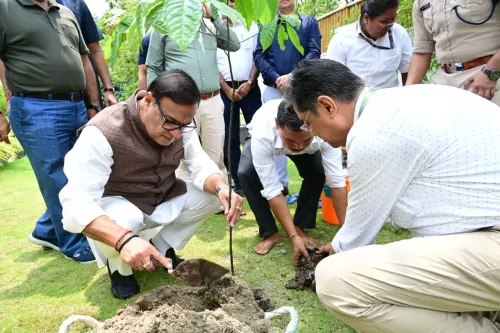
CM Himanta plants mango sapling on Brahmaputra banks in Dibrugarh
Synopsis
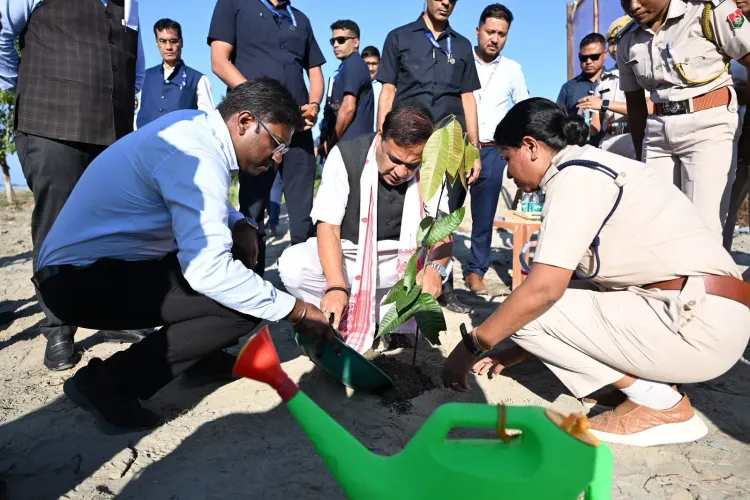
Assam Chief Minister Dr. Himanta Biswa Sarma planted a mango sapling on the Brahmaputra banks in Dibrugarh on October 14, 2026, wrapping up a two-day district visit with a symbolic commitment to riverbank greening and environmental sustainability.
Key Takeaways
CM Himanta Biswa Sarma planted a mango sapling on the banks of the Brahmaputra in Dibrugarh on October 14, 2026 .
The gesture concluded a two-day official visit to Dibrugarh, Upper Assam's commercial hub.
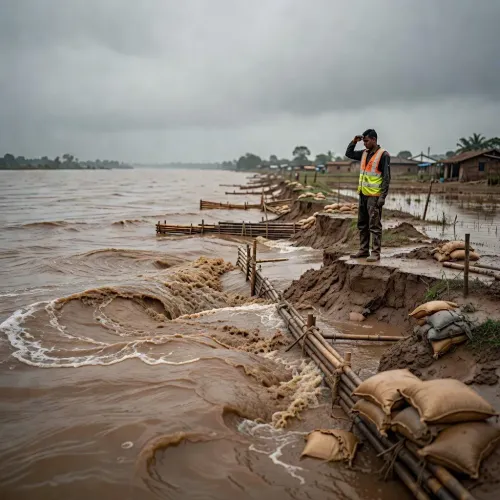
The Brahmaputra is a critical river subject to severe flooding and erosion affecting thousands of Assamese communities annually.
Tree-planting along the Brahmaputra supports riverbank stabilisation and riparian green cover restoration.
The act signals the Sarma administration's continued framing of environmental stewardship alongside its infrastructure-driven agenda.
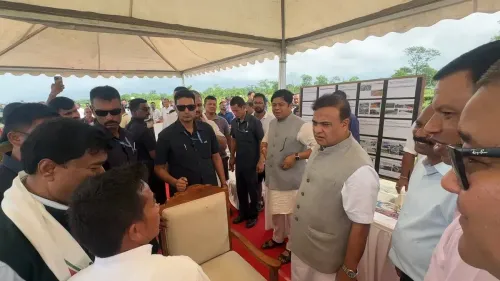
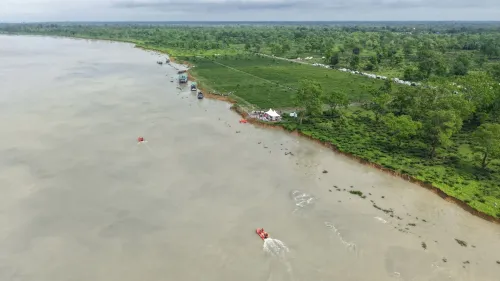
On the banks of one of Asia's mightiest rivers, Assam Chief Minister Dr. Himanta Biswa Sarma closed out a two-day visit to Dibrugarh with a gesture that was both symbolic and pointed — planting a mango sapling along the Brahmaputra, the river that defines, nourishes, and sometimes devastates the state he governs. The Chief Minister's Office of Assam shared the moment on Wednesday, October 14, 2026, signalling a continued push toward a greener Assam.
A riverbank, a sapling, and what it signals
The Brahmaputra is no ordinary backdrop. Stretching nearly 2,900 kilometres from Tibet through Arunachal Pradesh and across the Assam valley before entering Bangladesh, it is the ecological spine of the region — and a chronic source of catastrophic flooding and riverbank erosion that displaces thousands of Assamese families every monsoon season. Planting a native species like the mango on its banks carries a quiet environmental logic: deep-rooted trees help stabilise eroding riverbanks and restore riparian green cover.
Dibrugarh, where the gesture was made, is Upper Assam's commercial heartland — a city synonymous with tea gardens and oil fields, and one that sits vulnerably close to the Brahmaputra's shifting channels. Riverfront communities here have long borne the brunt of erosion and flood cycles, making afforestation efforts along the river more than ceremonial.
Sarma's Dibrugarh visit in context
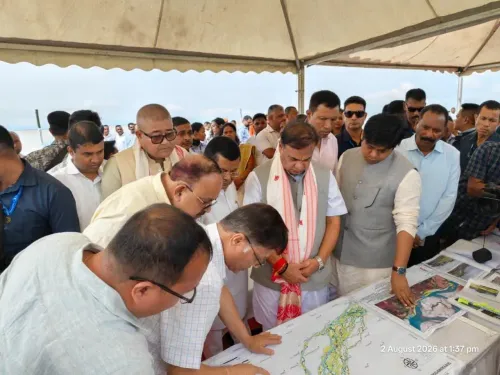
Dr. Himanta Biswa Sarma, who has led the state since 2021, has made district-level tours a regular feature of his administration — using them to review infrastructure projects, meet local stakeholders, and project administrative visibility beyond Guwahati. The two-day Dibrugarh leg, concluded on Wednesday, follows that established rhythm. Tree-planting during such tours has become a visible motif for Indian state leaders seeking to frame infrastructure-heavy agendas within an environmental sensibility.
Assam governments across administrations have periodically tied such symbolic acts to broader afforestation targets, particularly along degraded Brahmaputra riverfront stretches. Whether this sapling moment translates into a formal policy announcement — on state forest cover goals or Brahmaputra riverfront greening — remains the question worth watching.
The mango sapling as political statement
The choice of species matters. The mango is not a quick-fix erosion barrier — it is a long-term investment, a tree that takes years to mature and decades to anchor soil meaningfully. Planting one on the Brahmaputra's banks is as much a statement of intent as it is an act of horticulture: a Chief Minister saying, in effect, that he expects to be measured against this river's health over a long horizon. Assam's riverine communities, who have watched the Brahmaputra claim farmland and homes for generations, will be watching whether the symbolism gains roots.
Point of View
Where Brahmaputra erosion remains a politically charged livelihood issue, such symbolism carries higher stakes than in landlocked states. The real test for Sarma's environmental credibility will come in whether this visit triggers any formal afforestation or riverfront restoration commitment. Until then, it reads as a well-framed signal — sincere or strategic, the distinction rarely matters until the follow-through arrives.
NationPress
14 Oct 2026
Frequently Asked Questions
Why did Assam CM Himanta Biswa Sarma visit Dibrugarh in October 2026?
CM Himanta Biswa Sarma undertook a two-day official visit to Dibrugarh in Upper Assam, concluding on October 14, 2026. The visit followed his administration's pattern of regular district-level tours to review development and engage with local communities.
Why did Himanta Biswa Sarma plant a mango sapling on the Brahmaputra banks?
The tree-planting on the Brahmaputra banks was a symbolic environmental gesture, reaffirming a commitment to a greener and more sustainable Assam. Riparian tree cover also helps stabilise eroding riverbanks, a persistent challenge along the Brahmaputra.
What is the significance of the Brahmaputra river for Assam?
The Brahmaputra is the ecological and cultural spine of Assam, critical to agriculture and livelihoods but also the source of severe annual flooding and riverbank erosion that displaces thousands of families across the state.
What is Dibrugarh known for?
Dibrugarh is a major city in Upper Assam, historically significant as a centre of tea cultivation and oil production. It is also a key commercial hub for northeastern India and lies near the Brahmaputra river.
What environmental initiatives has the Assam government taken under Himanta Biswa Sarma?
The Sarma administration has continued state afforestation drives and symbolic green initiatives, particularly along Brahmaputra-facing districts. Formal targets for increasing forest cover and managing riverfront erosion have been part of periodic policy discussions, though specific follow-up announcements from this visit are awaited.