CM Himanta plants Rudraksha sapling on World Environment Day
Synopsis
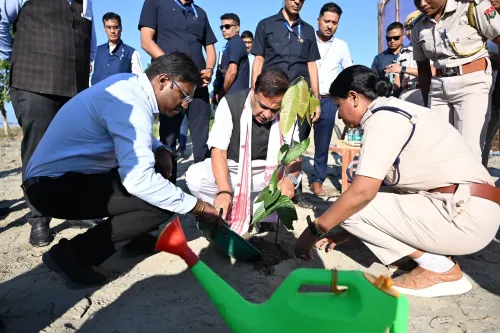
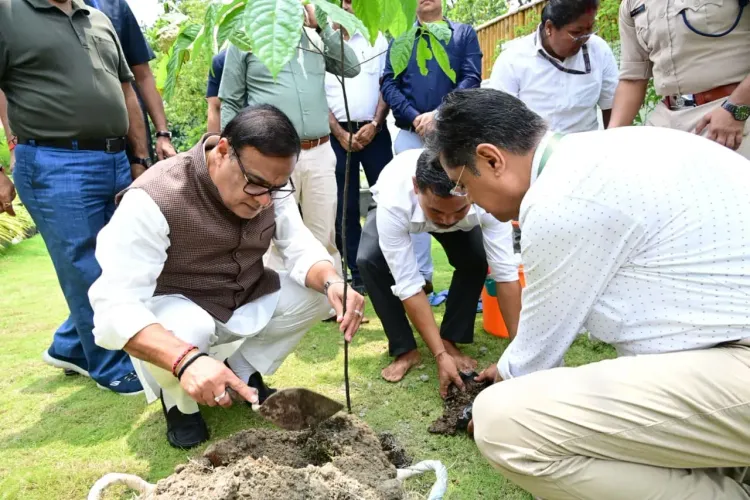
Assam Chief Minister Dr. Himanta Biswa Sarma planted a Rudraksha sapling at the Minister's Residential Complex in Dispur on World Environment Day, June 5, 2026, in a symbolic gesture aligning state leadership with global environmental observance.
Key Takeaways
Himanta Biswa Sarma planted a Rudraksha sapling at the Minister's Residential Complex, Dispur on June 5, 2026 .
The event marked World Environment Day , the UN-designated annual observance established in 1972 .
The Rudraksha tree is ecologically and culturally significant in the Brahmaputra valley region of Assam.
Assam's environmental challenges include annual flooding, soil erosion, and biodiversity pressures along the Brahmaputra .
State-level plantation drives on international environment days are a long-standing pattern across India, signalling policy priorities without new legislative commitments.
Subsequent budget allocations or afforestation targets from the Assam government in 2026 will indicate whether the gesture has policy follow-through.
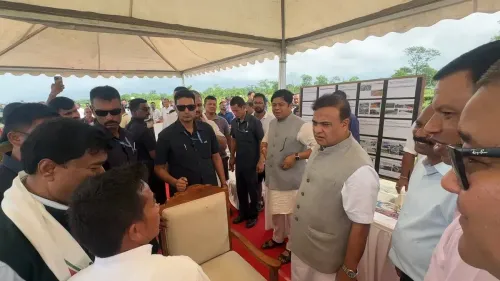
The Chief Minister's Office of Assam announced on Friday, June 5, 2026 — World Environment Day — that Chief Minister Dr. Himanta Biswa Sarma planted a Rudraksha sapling at the Minister's Residential Complex in Dispur, marking the UN-designated global observance with a symbolic act of afforestation.
Context
World Environment Day, observed every year on June 5, was established by the United Nations in 1972 to promote global environmental awareness and collective action. It is the largest international platform for public outreach on environmental issues, observed by governments, institutions, and civil society across the world. India has consistently marked the day with official tree-plantation drives at every level of government.
The Rudraksha (Elaeocarpus ganitrus) is a tree of both ecological and cultural significance in the Indian subcontinent, revered in Hindu tradition and native to the foothills of the Himalayas and the Brahmaputra valley — making it a symbolically resonant choice for a plantation event in Assam.
Policy Backdrop
Assam's forest and environment policy operates against the backdrop of the ecologically sensitive Brahmaputra valley, which faces annual flooding, soil erosion, and biodiversity pressures. State governments across India have for decades used World Environment Day as an occasion to signal policy priorities around afforestation, green cover, and climate resilience, often aligning sub-national action with national sustainability frameworks.
Under Dr. Himanta Biswa Sarma's administration, which began in May 2021, Assam has undertaken incremental efforts in notified forest cover and biodiversity protection. Plantation drives at official venues — particularly at ministerial and government complexes — serve as visible demonstrations of institutional commitment to environmental stewardship.
Stakeholders and Impact
The immediate beneficiaries of sustained afforestation efforts in Assam are its residents, particularly communities in flood-prone districts along the Brahmaputra and its tributaries, where tree cover plays a role in stabilising riverbanks and moderating run-off. The state's Forest Department is the principal implementing agency for any follow-through on such symbolic drives.
Symbolic plantation events by senior leaders carry a normative function: they reinforce environmental messaging within government departments and can catalyse broader public participation in local green initiatives. Whether the June 5 gesture translates into measurable afforestation targets or budget allocations will determine its policy weight beyond optics.
What's Next
Observers will watch for any formal afforestation targets or budget commitments from the Assam government in the second half of 2026 that build on the symbolic momentum of World Environment Day. Announcements tied to state forest policy, green corridor projects in the Brahmaputra valley, or expanded community plantation programmes would signal that the June 5 gesture is part of a broader policy arc rather than a standalone ceremonial act.
Point of View
High-visibility signal that places the administration within the global sustainability conversation without binding policy commitment. For Assam, however, the optics carry added weight: the state's ecological vulnerabilities along the Brahmaputra make environmental credibility a genuine governance asset, not merely a ceremonial one. The choice of Rudraksha — a tree with deep cultural roots in the region — suggests deliberate image-crafting that speaks to both ecological and Hindu-cultural audiences. The real test will come in budget sessions and forest department targets later in 2026.
NationPress
20 Oct 2026
Frequently Asked Questions
Why did Assam CM Himanta Biswa Sarma plant a Rudraksha sapling?
CM Himanta Biswa Sarma planted a Rudraksha sapling at the Minister's Residential Complex in Dispur on June 5, 2026, to mark World Environment Day, the annual UN-designated observance promoting environmental awareness.
What is World Environment Day and when is it observed?
World Environment Day is observed every year on June 5. It was established by the United Nations in 1972 and is the largest global platform for public outreach on environmental issues.
What is the significance of the Rudraksha tree?
The Rudraksha (Elaeocarpus ganitrus) is a tree native to the Himalayan foothills and the Brahmaputra valley. It holds deep cultural and religious significance in Hindu tradition and is ecologically suited to Assam's landscape.
Where is the Minister's Residential Complex in Assam?
The Minister's Residential Complex is located in Dispur, the capital of Assam and the seat of the state government, where senior ministers and officials are housed.
What are Assam's main environmental challenges?
Assam faces significant environmental challenges including annual flooding along the Brahmaputra river, soil erosion, and biodiversity pressures in the ecologically sensitive Brahmaputra valley.