CM Himanta Reaffirms Assam's Conservation Commitment on World Environment Day

Synopsis
On World Environment Day 2026, Assam Chief Minister Himanta Biswa Sarma reaffirmed the state's conservation commitments, highlighting anti-poaching measures, community-led afforestation, and protected-area expansion as benchmarks in India's wildlife conservation landscape.
Key Takeaways
CM Himanta Biswa Sarma marked World Environment Day on 5 June 2026 with a public commitment to Assam's environmental preservation agenda.
The Chief Minister described Assam as a 'crucial global biodiversity hotspot,' citing the Brahmaputra river system, rainforests, and wetlands.
Three pillars were named: anti-poaching measures , community-led afforestation , and strategic expansion of protected areas .
Assam's conservation model has historical roots in protected-area expansions around Kaziranga and Manas and a state climate action plan renewed after 2015–16 .
The state's approach aligns with India's commitments under the Convention on Biological Diversity and Eastern Himalayan habitat-connectivity goals.
Budget allocations for new protected-area notifications and updates to Assam's wildlife action plan are expected to be key indicators of follow-through.
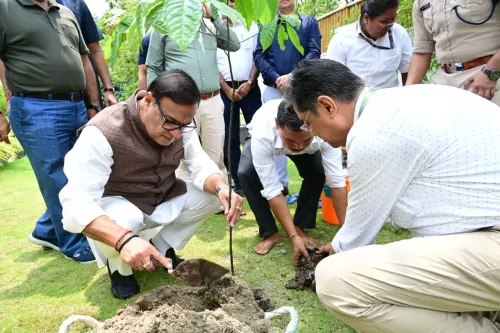
Assam Chief Minister Himanta Biswa Sarma marked World Environment Day on 5 June 2026 by reaffirming the state's commitment to protecting its biodiversity, citing anti-poaching drives, community-led afforestation, and the expansion of protected areas as pillars of Assam's conservation strategy.
Context
World Environment Day, observed every year on 5 June, is the United Nations' principal platform for raising global environmental awareness and galvanising action. This year, CM Sarma used the occasion to spotlight Assam's ecological significance, describing the state's landscapes — from the Brahmaputra floodplains to its rainforests and wetlands — as a 'crucial global biodiversity hotspot.' The post underscores Assam's positioning within the broader Indo-Burma biodiversity hotspot, one of the world's most ecologically rich regions.
Sarma stated that the state's efforts have 'set a national benchmark in wildlife conservation and habitat restoration,' a claim that reflects the administration's framing of Assam as a conservation leader among Indian states.
Policy Backdrop
Assam's conservation record has been shaped over decades, with protected-area expansions in landscapes such as Kaziranga and Manas forming the backbone of wildlife policy since the early 2000s. The state's action plan on climate change, renewed after 2015–16, gave fresh impetus to community forestry and afforestation initiatives, integrating local communities and forest-dependent tribes into habitat management.
India's obligations under the Convention on Biological Diversity have pushed northeastern states to prioritise habitat connectivity alongside anti-poaching enforcement. Assam's approach — combining law-enforcement crackdowns on poaching with participatory afforestation — mirrors the broader national forest policy framework while drawing on the specific ecological character of the Eastern Himalayan landscape.
Stakeholders and Impact
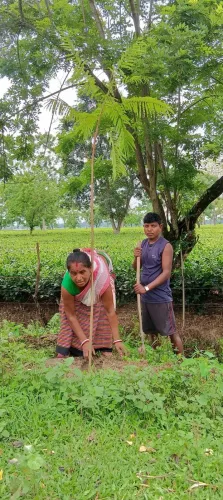
The communities most directly affected by Assam's conservation agenda are the forest-dependent tribes and local populations living along the edges of protected areas. Community-led afforestation programmes have positioned these groups as active stewards rather than passive bystanders, aligning livelihood interests with ecological preservation goals.
Wildlife, particularly species emblematic of Assam's natural heritage such as the one-horned rhinoceros and the Bengal tiger, stands as a direct beneficiary of sustained anti-poaching measures. Wetland ecosystems along the Brahmaputra corridor also support migratory bird populations of international significance, giving the state's conservation outcomes a reach beyond its borders.
What's Next
Observers will watch for concrete follow-through in the coming months, particularly state budget allocations earmarked for new protected-area notifications and any updates to Assam's wildlife action plan that may surface in the next assembly session. The Chief Minister's statement signals continued political will, but the scale and funding of upcoming afforestation cycles and anti-poaching operations will be the practical measure of that commitment.
As India aligns its biodiversity targets with global frameworks, Assam's ability to sustain and deepen its conservation record will remain a closely watched indicator of how northeastern states translate federal environmental goals into ground-level outcomes.
Point of View
Afforestation, and protected-area expansion together, the statement ties law-enforcement credibility to ecological stewardship in a single frame. This matters in a region where development pressures and forest rights remain contested, and where conservation outcomes carry both domestic and international scrutiny. The real test will be whether upcoming budget cycles and legislative action substantiate the rhetorical benchmark Sarma has set.
NationPress
20 Oct 2026
Frequently Asked Questions
What did Assam CM Himanta Biswa Sarma say on World Environment Day 2026?
CM Himanta Biswa Sarma reaffirmed Assam's commitment to conservation on World Environment Day 2026, highlighting anti-poaching drives, community-led afforestation, and the expansion of protected areas as defining pillars of the state's environmental policy.
Why is Assam considered a biodiversity hotspot?
Assam falls within the Indo-Burma biodiversity hotspot, one of the world's most ecologically rich zones. Its Brahmaputra floodplains, rainforests, and wetlands support globally significant wildlife including the one-horned rhinoceros, Bengal tiger, and numerous migratory bird species.
What are Assam's main wildlife conservation efforts?
Assam's key conservation efforts include sustained anti-poaching enforcement, community forestry and afforestation programmes, and the strategic expansion of protected areas such as the Kaziranga and Manas landscapes.
What is World Environment Day and when is it observed?
World Environment Day is the United Nations' principal platform for environmental awareness, observed every year on 5 June. It encourages global action on pressing ecological issues.
How does Assam's conservation policy align with national and global frameworks?
Assam's conservation approach aligns with India's obligations under the Convention on Biological Diversity and the national forest policy, emphasising habitat connectivity, community participation, and anti-poaching — consistent with Eastern Himalayan regional goals.