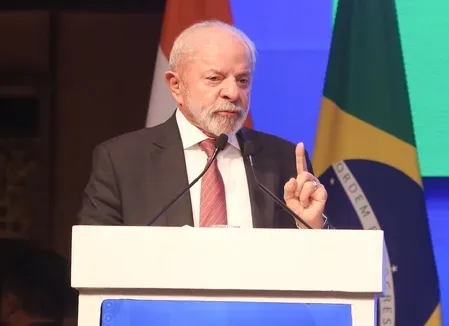
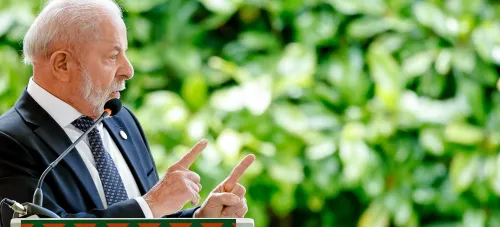
Lula wins Brazil presidential runoff 2026, beats Flavio Bolsonaro with 51.78%

Synopsis
Lula's comeback is now complete — trailing in round one, he reversed the deficit to win Brazil's presidency for a fourth time with 51.78% of the vote. The result not only reshapes Brazilian politics but also interrupts the rightward momentum across Latin America that the Trump administration had championed.
Key Takeaways
Luiz Inácio Lula da Silva won Brazil's presidential runoff on 26 October 2026 with 51.78% of valid votes.
Rival Flávio Bolsonaro of the Liberal Party received 48.23% , based on 99.89% of ballots counted.
In the first round on 4 October , Bolsonaro had led with 47.03% against Lula's 45.16% .
Lula will be sworn in on 5 January 2027 for a four-year term through 2030 .
This is Lula's fourth election win as Brazil's president — a record in Brazil's modern democratic era.
Lula faces a Liberal Party -dominated Congress and a pressing public debt challenge from day one.
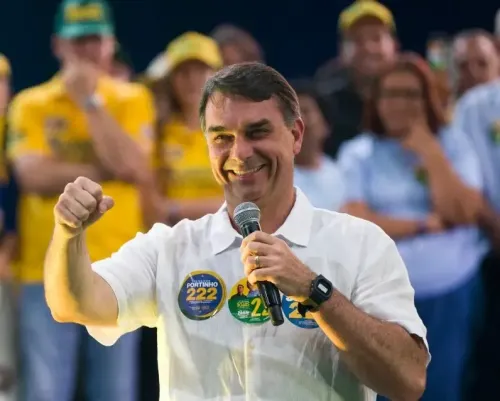
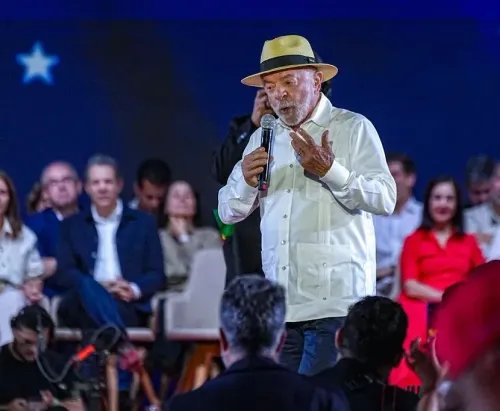
Brazilian incumbent President Luiz Inácio Lula da Silva, the Workers' Party candidate, has won Sunday's presidential runoff election, securing a historic fourth term in office, according to official results released by Brazil's Superior Electoral Court on 26 October 2026.
How the Vote Broke Down
With 99.89% of ballots counted, Lula captured 51.78% of valid votes against 48.23% for rival Flávio Bolsonaro, the Liberal Party candidate and son of former President Jair Bolsonaro. The margin represents a significant reversal from the first round held on 4 October, when Flávio Bolsonaro led with 47.03% against Lula's 45.16%, forcing three weeks of intense campaigning across Latin America's largest nation.
What Lula Said After the Win
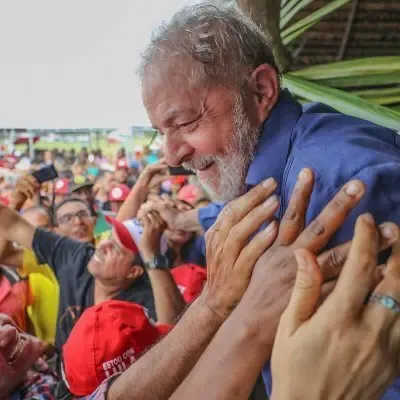
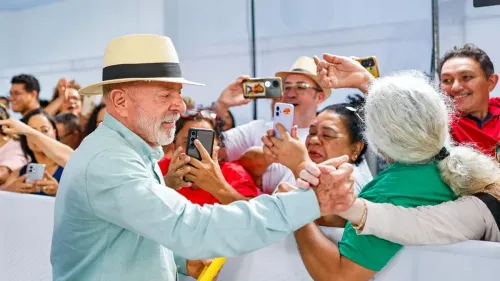
Earlier on Sunday, Lula posted a message on social media platform X, saying: 'Once again, it was the Brazilian people who showed me that no dream is too big when we walk together. They were tireless days. Every walk, every act, and every march were much more than campaign moments. They were encounters of dreams that turned into concrete achievements, like the end of the 6x1 workday.' He added: 'We emerged from this journey stronger, more united, and more mobilised to ensure a better future. Thank you, Brazil, for every hug, every tear, every smile, and for never letting go of my hand.'
What Comes Next for Brazil
Lula is scheduled to be sworn in on 5 January 2027 for a four-year term running through 2030. His return to power will be set against formidable challenges: the Liberal Party holds its largest bench in Brazil's Congress in decades, complicating legislative ambitions, while mounting public debt demands urgent stabilisation. Governing from the left while managing a right-leaning legislature will be a defining test of his fourth presidency.
Geopolitical Significance
Lula's victory effectively blocks a broader rightward electoral shift across Latin America that US President Donald Trump had reportedly backed. Analysts note that the result redraws the ideological balance in the region, with Brazil — by far the continent's largest economy — now anchored to a centre-left administration. This comes amid continued global debate over trade alignments, with Brazil's foreign policy expected to prioritise multilateral forums over bilateral deals with Washington. Notably, this is Lula's fourth electoral win as president, a record in Brazil's modern democratic history.
Point of View
And despite a Congress stacked against him. The real test begins on 5 January 2027: governing effectively while managing a right-dominant legislature and fiscal pressures will determine whether this fourth term becomes a legacy or a cautionary tale. For the region, the result is a significant counterweight to the rightward drift backed by Washington, but Lula's room to manoeuvre internationally will depend entirely on how he handles Brazil's domestic finances first. Mainstream coverage has focused on the ideological symbolism; the fiscal arithmetic deserves equal scrutiny.
NationPress
26 Oct 2026
Frequently Asked Questions
Who won the Brazil presidential runoff in 2026?
Luiz Inácio Lula da Silva of the Workers' Party won Brazil's 2026 presidential runoff on 26 October, receiving 51.78% of valid votes against Flávio Bolsonaro's 48.23%. The result was certified by Brazil's Superior Electoral Court with 99.89% of ballots counted.
When will Lula be sworn in as Brazil's president?
Lula is scheduled to be sworn in on 5 January 2027 for a four-year term running through 2030. This will be his fourth inauguration as Brazil's president.
How did the first round of voting differ from the runoff result?
In the first round held on 4 October, Flávio Bolsonaro led with 47.03% against Lula's 45.16%. Lula reversed that deficit in the runoff three weeks later, winning by over three percentage points.
What challenges does Lula face in his fourth term?
Lula faces a Congress where the Liberal Party holds its largest bench in decades, complicating his legislative agenda. He must also stabilise Brazil's public debt while governing from the left in a politically divided country.
What is the geopolitical significance of Lula's victory?
Lula's win is seen as halting a broader rightward electoral trend across Latin America that the Trump administration had reportedly supported. Brazil, as the region's largest economy, now returns to a centre-left foreign policy orientation, with implications for regional trade and multilateral forums.