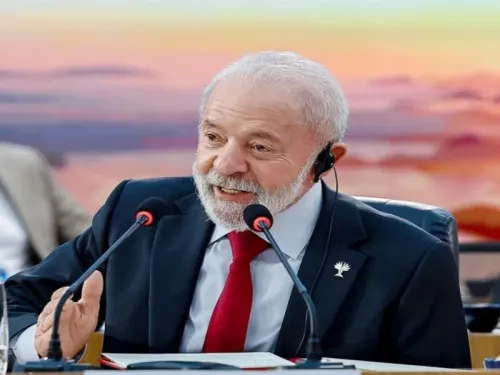
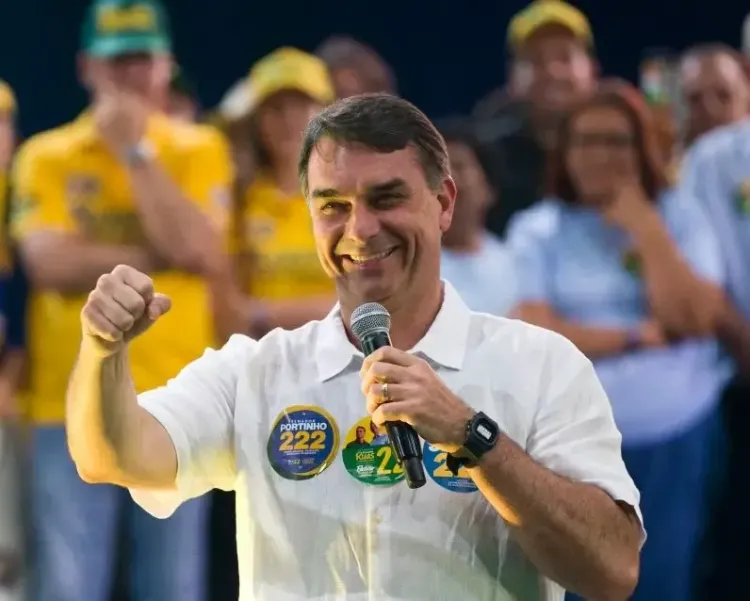
Bolsonaro leads Brazil first round with 47.24%, Lula heads to Oct 25 run-off
Synopsis
Flávio Bolsonaro has pulled off the first-round surprise of Brazil's 2026 election — beating incumbent Lula by more than two percentage points while falling just short of an outright win. With eliminated right-wing candidates' votes now in play, the 25 October run-off is his to lose, and the result could redraw Latin America's political map.
Key Takeaways
Flávio Bolsonaro finished first in Brazil's first-round presidential election with 47.24 per cent of the vote, with 98.81 per cent of ballots counted.
Incumbent President Luiz Inácio Lula da Silva received 44.91 per cent , trailing by more than 2.3 percentage points .
Neither candidate crossed the 50 per cent threshold required for an outright win, triggering a mandatory run-off.
The second round is scheduled for 25 October 2026 .
Bolsonaro is the son of former President Jair Bolsonaro , who is serving a 27-year prison sentence for attempting to overturn a previous election result.
The outcome is being closely watched across Latin America amid a broader regional shift toward right-wing governments.
Right-wing candidate Flávio Bolsonaro has finished ahead of incumbent President Luiz Inácio Lula da Silva in the first round of Brazil's presidential election, securing 47.24 per cent of the vote against Lula's 44.91 per cent — yet falling short of the 50 per cent-plus-one threshold required for an outright win. The result, confirmed with 98.81 per cent of ballots counted, sets up a decisive run-off on 25 October that will determine the direction of Latin America's largest democracy.
First-Round Result and What the Numbers Mean
Under Brazil's two-round presidential system, a candidate must cross 50 per cent of valid votes in the first round to avoid a runoff. Neither Bolsonaro nor Lula achieved that mark, making a second contest mandatory. Bolsonaro's margin — more than 2.3 percentage points ahead of the sitting president — surprised analysts who had expected the race to be tighter in his favour only closer to election day.
The result represents a notably strong showing for Flávio Bolsonaro, son of former President Jair Bolsonaro, who is currently serving a 27-year prison sentence after being convicted of masterminding a failed attempt to overturn a previous election result through a military coup. The elder Bolsonaro's legal troubles cast a long shadow over the campaign, yet appear to have done limited damage to his son's electoral appeal.
Why Bolsonaro Outperformed Polls
Lula had maintained a slight lead in opinion polls throughout the campaign, making Flávio Bolsonaro's first-round performance a significant overshoot of pre-election expectations. Political analysts noted that right-wing turnout may have been energised by the prospect of a close race, while some centrist voters who might have leaned left reportedly opted for Bolsonaro as an alternative to the incumbent.
Notably, several candidates who failed to advance to the second round were from the right-wing political camp. Their elimination could materially benefit Bolsonaro if their support bases consolidate behind him in the run-off — a dynamic that his campaign will actively seek to exploit over the coming weeks.
Lula's Path to the Run-Off
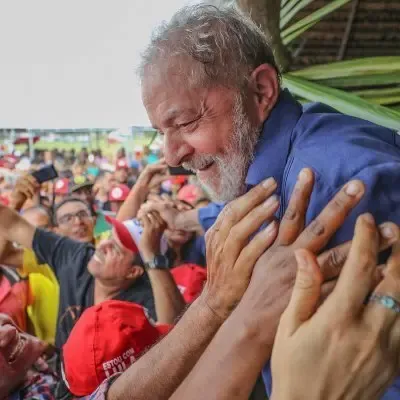
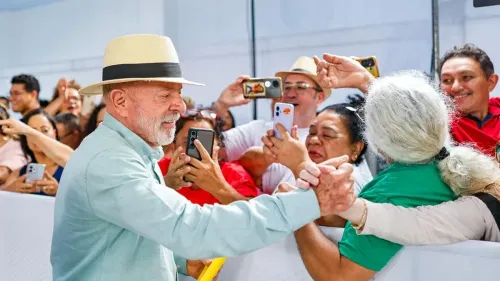
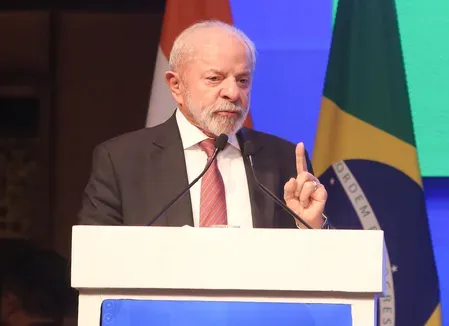
For Lula, the task ahead is two-fold: defending his existing coalition while reaching across to voters whose first-round candidates have been eliminated. As the sitting president, he carries the weight of governing-party incumbency — an asset in terms of institutional reach, but a liability in any climate where the electorate is restless for change.
Lula will need to prevent the right from consolidating around Bolsonaro and making inroads into the moderate centre. His campaign is expected to frame the run-off as a binary choice between democratic continuity and a return to the political style associated with the Bolsonaro family.
Regional and Geopolitical Stakes
The 25 October run-off is being closely tracked across Latin America, where several countries have elected right-wing governments in recent years, many of them maintaining close political alignment with the administration of US President Donald Trump. A Bolsonaro victory in Brazil — the region's largest economy — would further tilt the continental balance rightward and could reshape trade, environmental, and diplomatic alignments.
Conversely, a Lula win would shore up the left-leaning bloc in the region at a time when it faces pressure from a broader conservative wave. The outcome is expected to have consequences well beyond Brazil's borders, with investors, regional governments, and international institutions watching closely.
What Happens Next
Both campaigns will now pivot entirely to the second round. Bolsonaro will focus on securing consolidation of first-round right-wing votes, while Lula's team will target the political centre. Brazilian electoral rules require the run-off to be held within four weeks of the first round, making 25 October a firm, constitutionally set date. The winner will take office in January 2027.
Point of View
Lula's existing coalition may simply not be large enough. The run-off is not yet decided, but the momentum is unambiguously with the challenger — and momentum in a four-week sprint is hard to reverse.
NationPress
5 Oct 2026
Frequently Asked Questions
Who won the first round of Brazil's 2026 presidential election?
Flávio Bolsonaro won the first round with 47.24 per cent of the vote, ahead of incumbent President Lula who received 44.91 per cent. However, neither candidate crossed the 50 per cent threshold needed for an outright victory, so a second round has been called.
When is the Brazil presidential election run-off?
The second round run-off between Flávio Bolsonaro and President Lula is scheduled for 25 October 2026. Under Brazil's electoral system, the run-off is constitutionally required within four weeks of the first round.
Who is Flávio Bolsonaro?
Flávio Bolsonaro is the son of former Brazilian President Jair Bolsonaro, who is currently serving a 27-year prison sentence after being convicted of masterminding a failed attempt to overturn the previous election result through a military coup. Flávio is running as the right-wing candidate in the 2026 presidential race.
Why does the Brazil election result matter for Latin America?
Brazil is Latin America's largest economy, and a Bolsonaro victory would further shift the region's political balance rightward, following similar trends in several other Latin American countries. The outcome is expected to influence trade, environmental policy, and diplomatic alignments across the continent.
What advantage does Bolsonaro have going into the run-off?
Several other candidates who failed to advance to the second round were from the right-wing camp, and their combined support could consolidate behind Bolsonaro on 25 October. If that consolidation holds, it could give him a decisive edge over the incumbent president.