Brazil denies visas to US State Dept officials ahead of October 2025 elections
Synopsis
Brazil has turned away two senior US State Department officials at the visa stage, accusing Washington of potentially backing groups that question its electoral system — just months before a presidential election pitting Lula against Flávio Bolsonaro. With Trump-era tariffs and drug-cartel designations already straining ties, the refusal signals Brasília is treating foreign electoral interference as a hard diplomatic boundary.
Key Takeaways
Brazil denied visas to Riley M.
Barnes and Samuel Samson of the US Bureau of Democracy, Human Rights and Labor on 25 July .
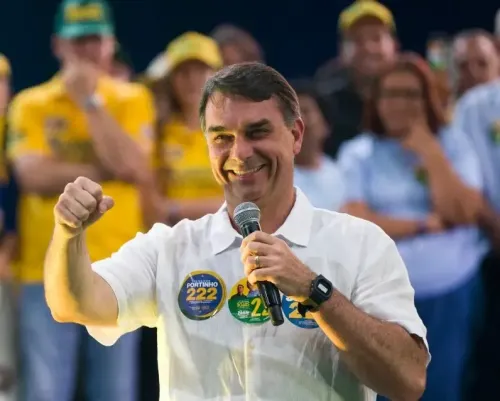
The officials had planned to meet presidential candidate Senator Flávio Bolsonaro and right-wing figures ahead of Brazil's elections.
Brazil's presidential election first round is scheduled for 4 October 2025 , with a runoff on 25 October 2025 .
The Trump administration imposed tariffs of up to 37.5 per cent on Brazilian exports; the Lula government called it an attempt to influence the election.
Former President Jair Bolsonaro has long questioned Brazil's electronic voting system without providing evidence.
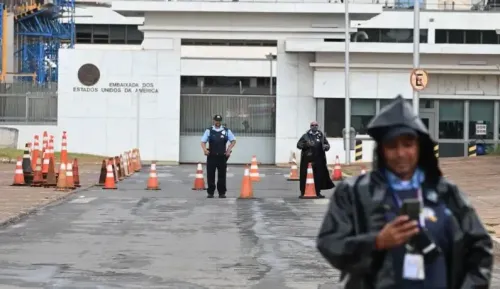
Brazil has denied visa applications from two US Department of State officials, citing concerns that their planned visit could lend support to groups seeking to undermine the country's electoral system, according to local media reports. The rejections, confirmed by Brazil's foreign office on Friday, 25 July, come just months before the country's high-stakes presidential election.
Who Was Denied and Why
The two officials refused entry were Riley M. Barnes, assistant secretary from the State Department's Bureau of Democracy, Human Rights and Labor, and Samuel Samson, deputy assistant secretary from the same bureau. Both had submitted their visa applications to the Brazilian government on 20 July.
According to reports, the pair had planned to meet with presidential candidate Senator Flávio Bolsonaro — son of former President Jair Bolsonaro — as well as officials from Brazil's Superior Electoral Court and right-wing political figures. A spokesperson for Brazil's foreign office confirmed the applications were submitted on 20 July and denied on Friday. The US State Department did not immediately respond to requests for comment.
The Electoral Backdrop
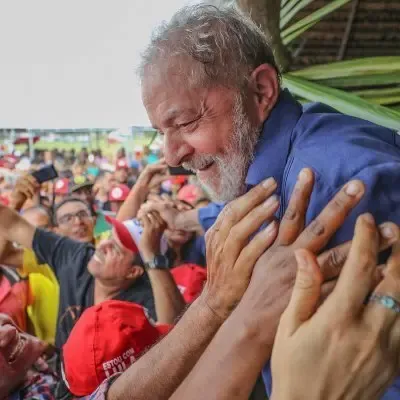
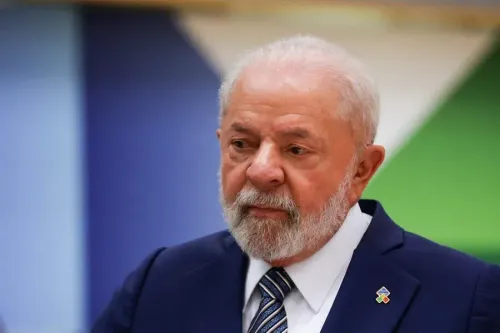
Brazil is scheduled to hold the first round of its presidential election on 4 October 2025, with a potential runoff on 25 October 2025, as per the schedule released by the Superior Electoral Court. President Luiz Inácio Lula da Silva is seeking re-election and is expected to face Senator Flávio Bolsonaro as his primary challenger.
The visa denials reflect the heightened political sensitivity around election integrity in Brazil. Former President Jair Bolsonaro has for years raised concerns about the country's electronic voting system without providing evidence to substantiate those claims — a pattern that drew comparisons with election-denial movements elsewhere.
The US-Brazil Diplomatic Strain
Tensions between Washington and Brasília have been building steadily. In late May, Senator Flávio Bolsonaro and his brother Eduardo Bolsonaro visited US officials in Washington, including President Donald Trump. Shortly after that visit, the Trump administration designated Brazil's two largest drug-trafficking organisations — a move Brasília viewed with suspicion given its timing.
The Trump administration also imposed tariff increases of up to 37.5 per cent on thousands of Brazilian exports, citing what it described as unfair trade practices and Brazil's alleged failure to curb forced labour. The Lula administration rejected both allegations, publicly characterising the tariffs as a political manoeuvre aimed at tilting Brazil's electoral landscape in favour of Senator Bolsonaro.
What Comes Next
The visa refusal marks a significant diplomatic signal from the Lula government, which has framed foreign interference in its electoral process as a red line. With the 4 October first round approaching, both the diplomatic fallout and the domestic political contest are set to intensify. Analysts will be watching whether Washington escalates its response or opts for quiet diplomacy ahead of the vote.
Point of View
Drug-cartel designations timed to the Bolsonaro brothers' Washington visit, and now a State Department bureau focused on democracy being denied entry. Brasília's reading of these events as a coordinated pattern, rather than coincidence, deserves scrutiny. Whether that reading is accurate or politically convenient ahead of October is the question analysts should be pressing.
NationPress
24 Oct 2026
Frequently Asked Questions
Why did Brazil deny visas to the US State Department officials?
Brazil denied visas to Riley M. Barnes and Samuel Samson on 25 July , citing concerns that their visit could support groups seeking to cast doubt on Brazil's electoral system. The two officials had planned meetings with presidential candidate Senator Flávio Bolsonaro and right-wing figures.
When is Brazil's next presidential election?
Brazil's presidential election first round is scheduled for 4 October 2025 , with a potential runoff on 25 October 2025 , according to the Superior Electoral Court . President Lula and Senator Flávio Bolsonaro are the primary contenders.
What is the state of US-Brazil diplomatic relations?
Relations have been strained by multiple flashpoints: the Trump administration imposed tariffs of up to 37.5 per cent on Brazilian exports and designated Brazil's two largest drug-trafficking organisations shortly after the Bolsonaro brothers met US officials in Washington. The Lula government has rejected both moves as politically motivated.
Who is Flávio Bolsonaro and why is he significant?
Senator Flávio Bolsonaro is the son of former President Jair Bolsonaro and the principal opposition presidential candidate for the October 2025 election. He met President Donald Trump and other US officials in Washington in late May, a visit that preceded a series of US actions against Brazil.
Has Brazil's electronic voting system been credibly questioned?
No credible evidence has been produced to support claims against Brazil's electronic voting system. Former President Jair Bolsonaro has repeatedly raised doubts about it, but without substantiating those claims — a pattern that Brazilian authorities and independent observers have consistently noted.