Lula slams US visa revocation of Brazil's envoy as 'irresponsible'
Synopsis
The US revoked the visa of Brazil's ambassador to Washington in retaliation for Brasília's refusal to issue visas to two American officials — and President Lula has hit back hard, calling the move 'irresponsible and thoughtless.' With Brazil's elections in October and no US ambassador in place for over 18 months, this dispute is less a procedural spat and more a window into how strained Washington-Brasília ties have become under the Trump administration.
Key Takeaways
US State Department revoked the visa of Brazil's ambassador to Washington , Maria Luiza Ribeiro Viotti , on Tuesday .
The revocation was framed as retaliation for Brazil's refusal to issue visas to two US officials and alleged delays in approving ambassador nominee Daniel Perez .
President Lula called the move “irresponsible and thoughtless,” noting the two countries share over two centuries of diplomatic ties.
Brazil will not receive new ambassadors before its October general elections , Lula stated.
The US embassy in Brazil has been without a chief representative for more than a year and a half .
The State Department indicated Viotti's visa could be restored if the situation is resolved.
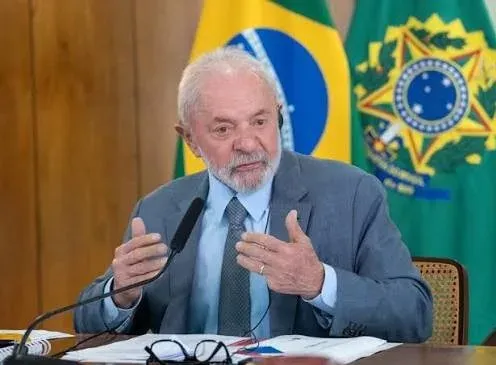
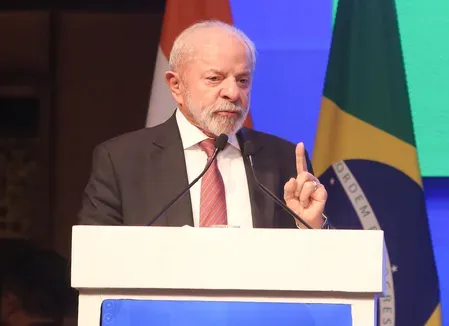
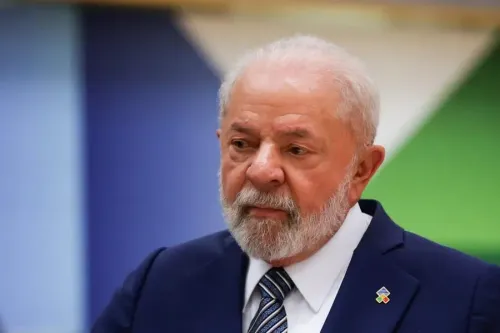
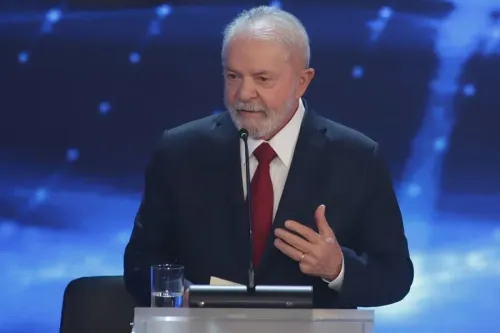
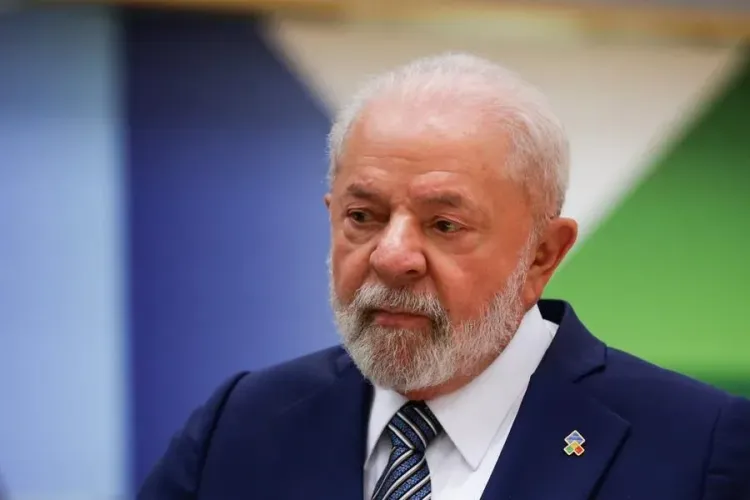
Brazilian President Luiz Inácio Lula da Silva on Wednesday sharply criticised the United States decision to revoke the visa of Brazil's ambassador to Washington, Maria Luiza Ribeiro Viotti, calling the move “irresponsible and thoughtless.” The remarks, made in an interview with YouTube channel Meteoro Brasil, mark a significant escalation in diplomatic tensions between the two countries.
What Triggered the Visa Revocation
The US Department of State announced the revocation on Tuesday, framing it as retaliation for Brazil's refusal last month to issue visas to two American officials. Washington also cited alleged delays by Brasília in approving US President Donald Trump's nominee for ambassador to Brazil, Daniel Perez, who was nominated in early June. The US Senate has yet to confirm Perez's nomination, and he cannot assume the post until Brazil formally approves the appointment.
Lula's Response
President Lula rejected the justification outright, arguing the action was unwarranted given that the two nations share over two centuries of diplomatic relations. He further noted that Washington had itself shown little urgency about its diplomatic presence in Brazil, leaving its embassy without a chief representative for more than a year and a half.
“They expect us to act on their timeline? That is neither fair nor acceptable. We demand to be treated with respect,” Lula said.
Lula also stated that Brazil will not receive new ambassadors before its general elections, scheduled for October, adding another layer of complexity to the standoff.
Brazil's Official Condemnation
The Brazilian government on Tuesday formally condemned the State Department's decision, describing the reasons cited by the United States as “false.” The strong language signals that Brasília views the move not merely as a procedural dispute but as a deliberate diplomatic affront.
A Path to Resolution
A State Department official indicated that Ambassador Viotti's visa could be restored if the underlying situation is resolved — suggesting the door to de-escalation remains open, even as both sides harden their public positions. This comes amid broader friction in US-Brazil relations under the Trump administration, with trade, multilateral commitments, and now diplomatic protocol all emerging as fault lines. How quickly the two governments move from confrontation to negotiation will be closely watched by regional observers.
Point of View
Then turned around and demanded expedited approval for its nominee — an inconsistency Lula was quick to expose. The Brazilian government's use of the word 'false' to describe US justifications is unusually blunt for formal diplomatic language, signalling that Brasília is not inclined to quietly absorb the pressure. With Brazil's general elections in October, Lula has little domestic incentive to appear conciliatory, making a quick resolution unlikely.
NationPress
20 Sept 2026
Frequently Asked Questions
Why did the US revoke Brazil's ambassador's visa?
The US State Department revoked the visa of Brazil's ambassador to Washington, Maria Luiza Ribeiro Viotti, in retaliation for Brazil's refusal to issue visas to two US officials and alleged delays in approving Donald Trump's ambassador nominee Daniel Perez. The State Department indicated the visa could be restored once the situation is resolved.
How did President Lula respond to the US decision?
President Lula called the move 'irresponsible and thoughtless' in an interview with YouTube channel Meteoro Brasil, arguing it was unjustified given over two centuries of diplomatic ties between the two countries. He also stated that Brazil will not receive new ambassadors before its October general elections.
Who is Daniel Perez and what is his role in this dispute?
Daniel Perez is US President Donald Trump's nominee for ambassador to Brazil, nominated in early June. The US Senate has not yet confirmed his nomination, and he cannot take up the post until Brazil formally approves the appointment — a process Brazil has reportedly delayed, which the US cited as a reason for the visa revocation.
What has Brazil officially said about the US decision?
The Brazilian government formally condemned the State Department's decision on Tuesday, describing the reasons cited by the United States as 'false.' This language signals Brasília views the move as a deliberate diplomatic affront rather than a routine procedural matter.
Can the situation between the US and Brazil be resolved?
A State Department official indicated that Ambassador Viotti's visa will be restored if the underlying dispute is resolved, leaving the door open for de-escalation. However, with Brazil's general elections scheduled for October and Lula hardening his public stance, a quick diplomatic resolution appears unlikely in the near term.