US revokes Brazilian ambassador's visa in escalating diplomatic rift
Synopsis
Washington has revoked the visa of Brazil's ambassador to the US, Maria Luiza Viotti, in a tit-for-tat move after Brazil denied entry to two US State Department officials. With tariffs of up to 37.5% already in place and a blocked ambassador nomination fuelling the row, the US-Brazil relationship is under its sharpest strain in years.
Key Takeaways
The US revoked the visa of Brazilian ambassador Maria Luiza Viotti on 5 August amid a bilateral diplomatic dispute.
Washington cited Brazil's denial of visas to two US officials and its refusal to approve the nomination of Daniel Perez as US ambassador to Brazil.
Brazil denied visas to Riley M.
Barnes and Samuel Samson on 20 July , over concerns their visit could support groups challenging Brazil's electoral system.
The Trump administration has imposed tariffs of up to 37.5 per cent on Brazilian exports; the Lula government has rejected the justification and threatened WTO action.
The State Department said Viotti's visa will be restored if the dispute is resolved.
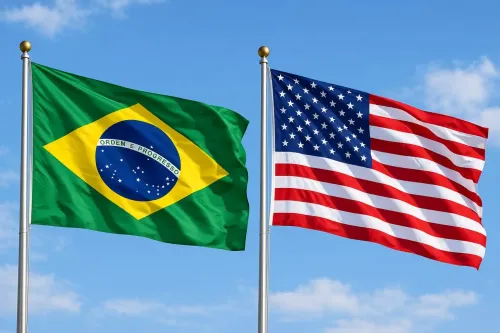
The United States has revoked the visa of Maria Luiza Viotti, Brazil's ambassador to Washington, amid a deepening bilateral diplomatic dispute, US media reported on Tuesday, 5 August. The move marks a significant escalation in tensions between the Trump administration and the Lula government that have spanned diplomacy, trade, and judicial affairs.
Why the Visa Was Revoked
A senior State Department official said the revocation was a direct response to Brazil denying visas to two US diplomats last month and withholding approval of the Trump administration's nominee for US ambassador to Brazil. The official added that Viotti's visa would be reinstated if the underlying dispute was resolved. Brazil's Foreign Ministry confirmed the US action to Brazilian media outlet Globonews. Viotti was on Brazilian soil when she was notified of the revocation, according to reports.
The Visa Denial That Triggered the Standoff
In late July, Brazil rejected visa applications from two US State Department officials — Riley M. Barnes, assistant secretary from the Bureau of Democracy, Human Rights and Labor, and Samuel Samson, deputy assistant secretary from the same bureau. Both submitted applications on 20 July, reportedly planning to meet with Flavio Bolsonaro, son of former President Jair Bolsonaro, along with officials from Brazil's Superior Electoral Court and right-wing political figures. Brazil's foreign office said the visas were denied over concerns that the visit could support groups questioning the country's electoral system.
Tariffs and Trade Friction
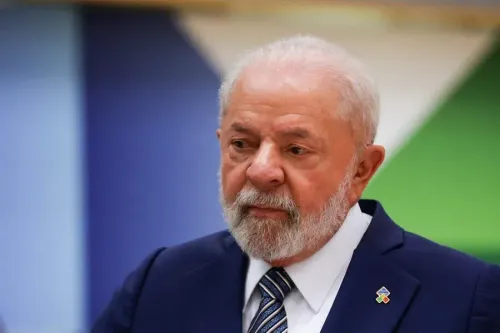
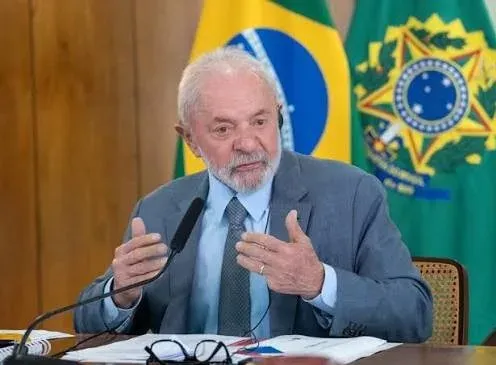
The diplomatic row is unfolding against a broader backdrop of economic pressure. The Trump administration imposed tariff increases of up to 37.5 per cent on thousands of Brazilian exports, citing what it described as unfair trade practices and Brazil's alleged failure to curb forced labour. The Lula administration rejected both allegations, calling the tariffs an attempt to influence Brazil's political landscape. Brazil has said it will defend its interests through diplomatic dialogue and, if necessary, through World Trade Organization (WTO) mechanisms.
Ambassador Nomination at the Centre of the Dispute
In early June, President Donald Trump nominated Daniel Perez as the next US ambassador to Brazil. The US Senate has yet to confirm the nomination, and Perez cannot take up the post until Brazil formally approves the appointment — an approval that has not been granted. Washington has also recently announced new visa restrictions on Brazilian officials and publicly criticised decisions by Brazil's Supreme Federal Court related to high-profile judicial investigations.
What Happens Next
The State Department has left the door open for de-escalation, conditioning Viotti's visa restoration on a resolution of the broader standoff. However, with trade tariffs in place, a blocked ambassador nomination, and mutual visa denials on the record, analysts say the path to normalisation remains uncertain. Brazil's insistence on WTO recourse signals it is prepared for a protracted dispute rather than a quick diplomatic fix.
Point of View
Judicial independence, and trade leverage, suggesting the Trump administration is using every available pressure point simultaneously. Brazil's decision to deny visas to US democracy officials was itself a pointed signal about sovereignty over its electoral narrative; Washington's response now risks entrenching both sides. The WTO threat from Brasília is credible but slow — and in the interim, the bilateral relationship is accumulating damage that will outlast any single administration.
NationPress
19 Sept 2026
Frequently Asked Questions
Why did the US revoke Brazilian ambassador Maria Luiza Viotti's visa?
The US revoked Viotti's visa on 5 August in response to Brazil denying visas to two US State Department officials last month and withholding approval of the Trump administration's nominee for US ambassador to Brazil, Daniel Perez. A senior State Department official said the visa would be restored once the situation is resolved.
Who were the US officials denied visas by Brazil?
Brazil denied visas to Riley M. Barnes, assistant secretary from the State Department's Bureau of Democracy, Human Rights and Labor, and Samuel Samson, deputy assistant secretary from the same bureau. They had applied on 20 July and were reportedly planning to meet Flavio Bolsonaro and right-wing figures, prompting Brazil to cite concerns about interference in its electoral system.
What tariffs has the US imposed on Brazil?
The Trump administration imposed tariff increases of up to 37.5 per cent on thousands of Brazilian exports, citing alleged unfair trade practices and Brazil's failure to curb forced labour. The Lula government rejected both justifications and said it would pursue recourse through the World Trade Organization if necessary.
Who is Daniel Perez and why does he matter?
Daniel Perez is President Trump's nominee for US ambassador to Brazil, put forward in early June. The US Senate has not yet confirmed him, and Brazil has not approved the appointment — a prerequisite for him to take up the post. His stalled nomination is one of the central flashpoints in the current dispute.
What is Brazil's response to the escalating pressure?
Brazil's Foreign Ministry confirmed the visa revocation and said it will defend its interests through diplomatic dialogue and, if necessary, through World Trade Organization mechanisms. The Lula government has rejected US allegations on both trade and electoral interference grounds.