Brazil-US tariff talks set for late September at G20 ministerial
Synopsis
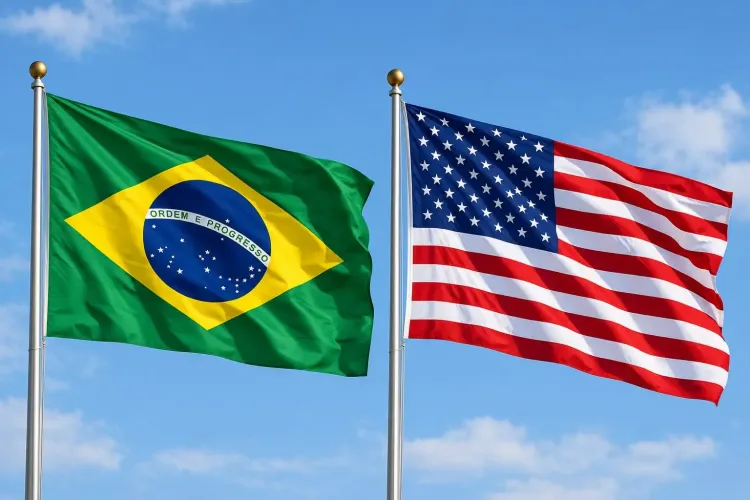
Brazilian exports to the US have already fallen 13% in the first half of 2026, with the US share of Brazil's trade at its lowest since 1997 — and yet Brasília is not blinking. A G20 ministerial sideline meeting in late September will be the first face-to-face test of whether the Lula-Trump phone call in August can translate into an actual tariff deal, or whether two diverging trade philosophies simply talk past each other.
Key Takeaways
Brazil and the US plan in-person tariff talks in late September 2026 , on the sidelines of the G20 ministerial ( 30 September – 1 October ).
Brazilian Minister Marcio Elias Rosa is expected to meet US Trade Representative Jamieson Greer .
The US applies a combined tariff rate of 37.5 per cent on some Brazilian products, affecting 23.1 per cent of Brazilian exports to the US.
Brazilian exports to the US fell 13 per cent to $17.4 billion in the first half of 2026 .
The US share of Brazil's exports dropped to 9.4 per cent , the lowest since 1997 .
Brazil has ruled out retaliatory tariffs, reaffirming a multilateralism-first approach.
Brazil and the United States are preparing for a fresh round of in-person negotiations over US tariffs on Brazilian goods, with talks likely to take place in late September 2026, Brazilian officials have confirmed. The meeting is expected to coincide with the G20 ministerial gathering scheduled in the United States from 30 September to 1 October.
Key Developments
Brazilian Development, Industry, Trade and Services Minister Marcio Elias Rosa said on Monday that he expects to meet US Trade Representative Jamieson Greer on the sidelines of the G20 ministerial. The talks mark the next step following the resumption of diplomatic engagement after an August 2026 phone call between Brazilian President Luiz Inacio Lula da Silva and US President Donald Trump.
'The conversation is open, and Brazil is willing to negotiate,' Elias Rosa told reporters, adding that Brazil would defend the interests of its companies and workers while maintaining dialogue.
Brazil's Position on Tariffs
Brazil has rejected what it characterises as unjustified unilateral tariffs imposed by Washington, but has simultaneously ruled out retaliatory measures or economic self-isolation. Elias Rosa was explicit: 'Brazil believes in multilateralism, dialogue and negotiation. We will not abandon those principles.'
The US currently applies additional tariffs on select Brazilian products, with the combined tariff rate reaching 37.5 per cent under measures adopted through multiple trade investigations. According to Brazil's Development, Industry, Trade and Services Ministry, the new US measures affect 23.1 per cent of Brazilian exports to the United States to varying degrees.
Trade Numbers Signal Growing Strain
The economic cost of the tariff standoff is already visible in the data. Brazilian exports to the United States totalled $17.4 billion in the first half of 2026, a decline of 13 per cent compared to the same period a year earlier. The US share of Brazil's total exports dropped to 9.4 per cent — the lowest level recorded since 1997. The figures suggest that Brazilian exporters have already begun rerouting trade flows, a structural shift that prolonged tariff pressure could entrench further.
What Happens Next
The late-September meeting will be the first face-to-face encounter between senior trade officials from both sides since the bilateral dispute escalated. Analysts will watch whether the G20 forum provides any multilateral leverage for Brazil, which has consistently framed its position within a rules-based, dialogue-first framework. A failure to make progress could accelerate the redirection of Brazilian exports toward other markets, particularly China and the European Union, at the expense of US commercial ties that have been eroding since the tariff measures took effect.
Point of View
A trend that tariff talks alone may struggle to reverse. Brazil's multilateralism-first posture is diplomatically sound but gives Washington little immediate incentive to concede. The real question is whether the G20 sideline setting creates enough multilateral optics to move Greer off the current tariff structure — or whether Brasília returns empty-handed and accelerates its pivot toward Beijing and Brussels.
NationPress
15 Sept 2026
Frequently Asked Questions
When are Brazil and the US planning tariff talks?
The two countries are expected to hold in-person tariff talks in late September 2026, on the sidelines of the G20 ministerial meeting scheduled in the United States from 30 September to 1 October. Brazilian Minister Marcio Elias Rosa is expected to meet US Trade Representative Jamieson Greer at the gathering.
What US tariffs are being applied to Brazilian goods?
The United States currently applies additional tariffs on select Brazilian products, with the combined tariff rate reaching 37.5 per cent under measures adopted through multiple trade investigations. According to Brazil's ministry, these measures affect 23.1 per cent of Brazilian exports to the US.
How have the tariffs affected Brazilian exports to the US?
Brazilian exports to the United States totalled $17.4 billion in the first half of 2026, down 13 per cent from the same period a year earlier. The US share of Brazil's total exports has fallen to 9.4 per cent — the lowest level since 1997.
What is Brazil's stance on the trade dispute?
Brazil rejects what it sees as unjustified unilateral tariffs but has ruled out retaliation or closing its own economy. Minister Elias Rosa has stated that Brazil 'believes in multilateralism, dialogue and negotiation' and will not abandon those principles while defending the interests of Brazilian companies and workers.
What triggered the resumption of Brazil-US trade talks?
Talks resumed following a phone call in August 2026 between Brazilian President Luiz Inacio Lula da Silva and US President Donald Trump. The upcoming G20 ministerial meeting provides the next opportunity for senior trade officials from both sides to meet face to face.