CM Samrat Choudhary Joins PM-KISAN 24th Instalment Event
Synopsis
PM Narendra Modi released the 24th PM-KISAN instalment on 30 October 2026, transferring ₹1,476 crore to over 73 lakh Bihar farmer families. Bihar CM Samrat Choudhary participated via video-conference from Gyan Bhawan, Patna, reaffirming the NDA's farmer-income commitment.
Key Takeaways
₹1,476 crore transferred to 73 lakh+ Bihar farmer families under the 24th PM-KISAN instalment on 30 October 2026 .
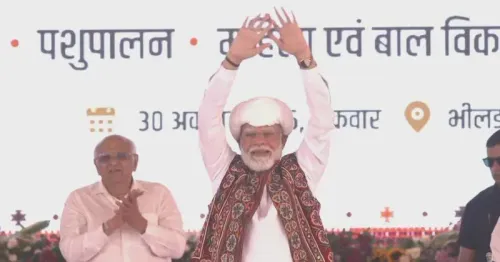
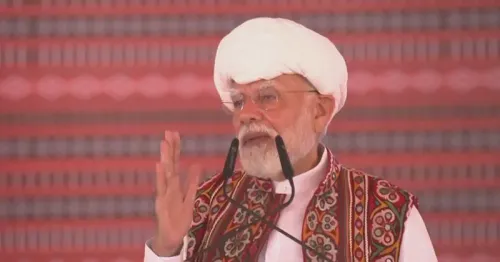
PM Narendra Modi released the funds at the national PM Kisan Utsav Diwas programme.
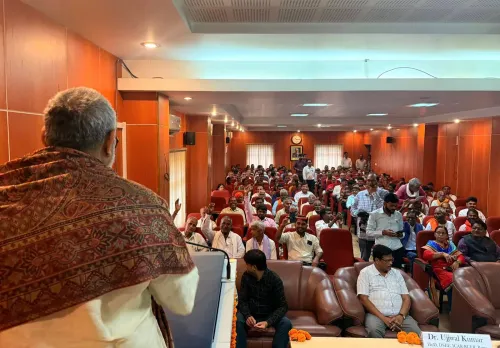
Bihar CM Samrat Choudhary participated via video-conferencing from Gyan Bhawan, Patna .
The PM Kisan Samman Nidhi scheme provides ₹6,000 per year to eligible landholding farm families via direct benefit transfer, running continuously since December 2018 .
Bihar consistently ranks among India's top PM-KISAN recipient states owing to its high density of small and marginal landholdings.
The next watch-point is a potential beneficiary-list verification or expansion drive in Bihar ahead of the 25th instalment .
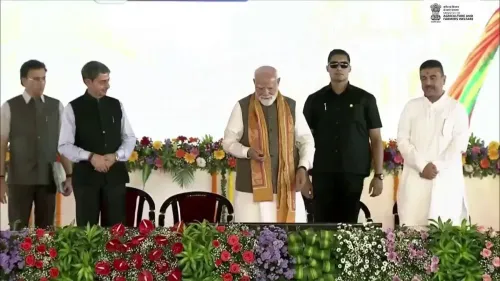
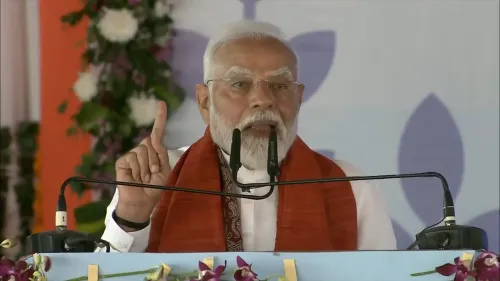
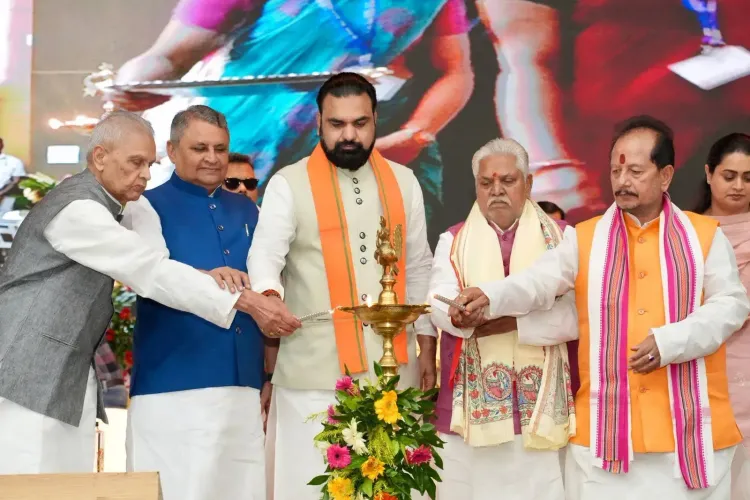
Over 73 lakh farmer families in Bihar received a combined transfer of ₹1,476 crore on Friday, 30 October 2026 — the 24th instalment of the PM Kisan Samman Nidhi scheme, released by Prime Minister Narendra Modi at the PM Kisan Utsav Diwas programme. Bihar Chief Minister Samrat Choudhary participated in the event via video-conferencing from Gyan Bhawan, Patna, anchoring the state's presence at a ceremony marking one of India's largest recurring direct-benefit transfers.
A ₹1,476 Crore Transfer, Delivered Directly to Bihar's Fields
The PM Kisan Samman Nidhi scheme, launched in February 2019, provides eligible landholding farmer families a fixed annual support of ₹6,000 — paid in three instalments of ₹2,000 each every four months via direct benefit transfer. The programme was designed to bypass intermediaries entirely, crediting money straight into farmers' bank accounts. Bihar, with its dense concentration of small and marginal landholdings, has consistently ranked among the top recipient states in every release cycle.
The 24th instalment marks more than six years of uninterrupted quarterly releases since the scheme's first disbursement in December 2018. Each release is a logistical exercise — beneficiary lists verified, Aadhaar-linked bank accounts confirmed, and funds routed through the central DBT architecture before state administrations coordinate local awareness.
CM Choudhary's Gyan Bhawan Presence and the NDA Farmer Pledge
Chief Minister Choudhary, attending from Gyan Bhawan — Bihar's premier administrative convention centre in Patna — framed the disbursement as evidence of the NDA government's resolve to raise farmer incomes and make agriculture economically viable. 'Kisanon ki aay badhana aur kheti ko labhakaari banana NDA sarkar ka sankalp hai' ('Raising farmers' incomes and making farming profitable is the NDA government's commitment'), he posted on X, echoing the political messaging that has accompanied every instalment release.
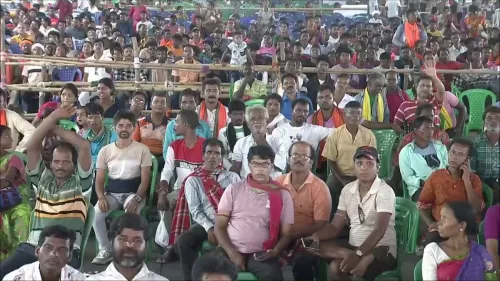
The event format — a central PM-anchored broadcast with simultaneous state-level gatherings — has itself become a template for how the Union government converts a routine fund release into a political touchpoint with the agrarian electorate. Bihar's weight in that calculus is considerable: it is home to one of India's largest pools of small-farm households, making the state's 73-lakh-plus beneficiary count a figure that resonates far beyond the treasury ledger.
What the 24th Instalment Signals for Bihar's Agrarian Economy
PM-KISAN's strength as a welfare instrument lies in its predictability. Farmers can anticipate the transfer, plan input purchases around it, and — increasingly — access it as collateral context when approaching credit institutions. The scheme does not replace deeper structural support like crop insurance or MSP reform, but its unbroken cadence across six-plus years has embedded it as a baseline income floor for millions of rural households.
Bihar's agriculture remains dominated by smallholders, and the state's consistent beneficiary numbers reflect both the density of that population and the ongoing work of beneficiary verification — a process that state and central governments must continually manage to prevent exclusions and duplications. The next watch-point will be whether this cycle's release is followed by any fresh beneficiary-list audit or expansion in Bihar.
Seventy-three lakh families. One transfer. One morning in Patna. The arithmetic of Indian farm welfare, delivered again.
Point of View
High-visibility DBT release to reinforce its farmer-welfare credentials — with state NDA leaders like CM Samrat Choudhary serving as visible amplifiers at the ground level. Bihar's consistently large beneficiary count makes it a politically significant partner in that narrative, given the state's agrarian electorate and its history of close NDA alignment. The event-format itself — a simultaneous national broadcast anchored by the Prime Minister, echoed by state CMs — signals that PM-KISAN has evolved from a policy instrument into a durable political ritual. The real policy question looking ahead is whether the scheme's flat per-household transfer keeps pace with rising input costs, or whether a revision to the ₹6,000 annual ceiling moves up the agenda.
NationPress
30 Oct 2026
Frequently Asked Questions
What is PM Kisan Samman Nidhi and how much does a farmer get?
PM Kisan Samman Nidhi is a central government direct benefit transfer scheme that provides eligible landholding farmer families ₹6,000 per year , paid in three instalments of ₹2,000 each every four months directly into their bank accounts.
How many Bihar farmers received the 24th PM-KISAN instalment?
Over 73 lakh farmer families in Bihar received funds under the 24th PM-KISAN instalment released on 30 October 2026 , amounting to a total of ₹1,476 crore for the state.
What is PM Kisan Utsav Diwas?
PM Kisan Utsav Diwas is an event organised alongside PM-KISAN instalment releases where Prime Minister Narendra Modi presides over the national disbursement and state chief ministers participate — often via video-conference — to mark the transfer of funds to farmer beneficiaries.
When was the PM Kisan scheme launched and how many instalments have been released?
The PM Kisan Samman Nidhi scheme was formally launched in February 2019 , with the first disbursement made in December 2018 . The 24th instalment was released on 30 October 2026 , reflecting more than six years of uninterrupted quarterly transfers.
Why does Bihar have such a large number of PM-KISAN beneficiaries?
Bihar has one of India's highest concentrations of small and marginal landholdings, which makes a large share of its rural population eligible for PM-KISAN support. This structural feature has kept Bihar consistently among the top recipient states in every instalment cycle.