CM Sai greenlights ₹500 cr tourism mission for Chhattisgarh
Synopsis
Chhattisgarh's Chief Minister Vishnu Deo Sai has approved the Mukhyamantri Paryatan Vikas Mission, committing ₹500 crore over five years to develop tourist sites to world-class standards and generate large-scale employment for local youth.
Key Takeaways
The Chhattisgarh government has approved the Mukhyamantri Paryatan Vikas Mission on 30 October 2026 .
The mission commits ₹500 crore in public investment over a five-year period.
The stated goals are world-class development of tourist sites and large-scale employment generation for local youth .
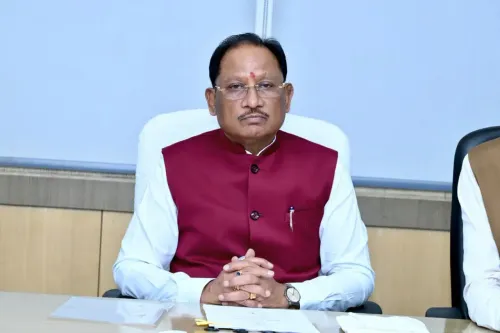
Chief Minister Vishnu Deo Sai , in office since December 2023 , is positioned as the driving force behind the tourism push.
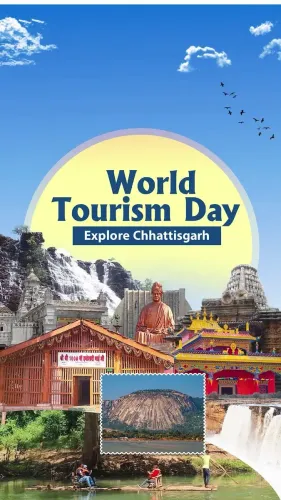
Chhattisgarh's tourism assets include waterfalls, cave systems, forests, and tribal heritage corridors that remain underexplored nationally.
The immediate next milestone is the tendering of specific projects under the mission framework.
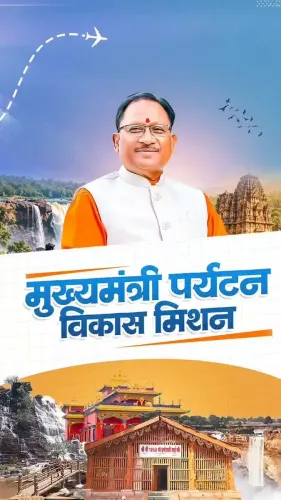
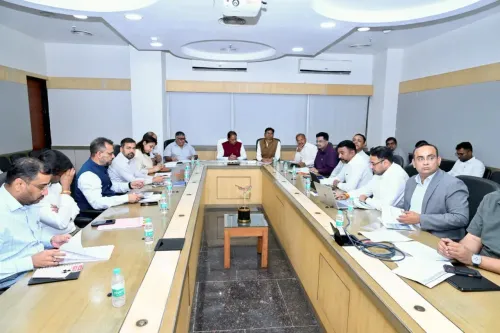
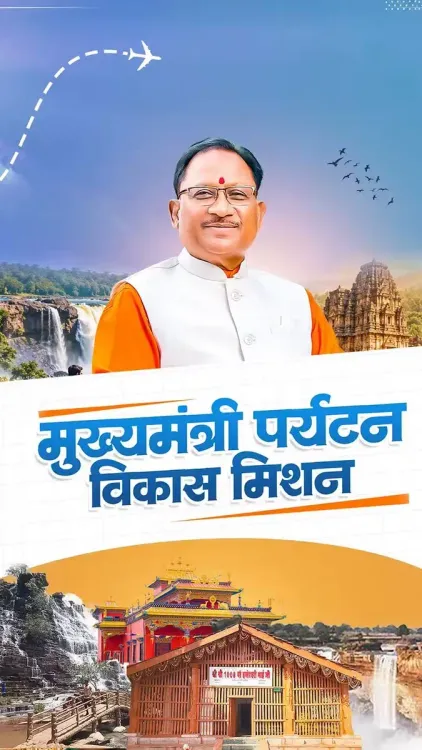
A waterfall-rich, cave-studded, tribal-heritage state is now putting serious money behind its scenery. The Chief Minister's Office of Chhattisgarh announced on Friday, 30 October 2026 that the government has approved the Mukhyamantri Paryatan Vikas Mission — a dedicated state tourism push that will channel ₹500 crore over the next five years to transform the state's natural and cultural sites into world-class destinations.
The post, in Hindi, describes Chhattisgarh as 'sundar, alaukik' — 'beautiful, otherworldly' — and frames the mission as the vehicle to give the state's tourism sector a global identity under Chief Minister Vishnu Deo Sai's leadership. The announcement promises not just upgraded infrastructure at tourist sites, but 'the creation of large employment opportunities for local youth.'
What the ₹500 crore mission actually promises
The Mukhyamantri Paryatan Vikas Mission is a state-level scheme approved by the Sai cabinet, committing half a billion rupees across a five-year window. The stated twin goals are world-standard development of tourist sites and job generation for young Chhattisgarhis. No project list or disbursement calendar has been made public yet — the announcement marks approval of the mission framework, with tendering of specific projects the logical next step to watch.
Vishnu Deo Sai took charge as Chhattisgarh's Chief Minister in December 2023 following the BJP's assembly election victory. Tourism development has featured in the state's economic agenda as it looks to diversify revenue streams beyond mining and agriculture — two sectors that have historically dominated the state's economy but offer limited upward mobility for young, first-time job seekers.
Chhattisgarh's tourism bet in a national pattern
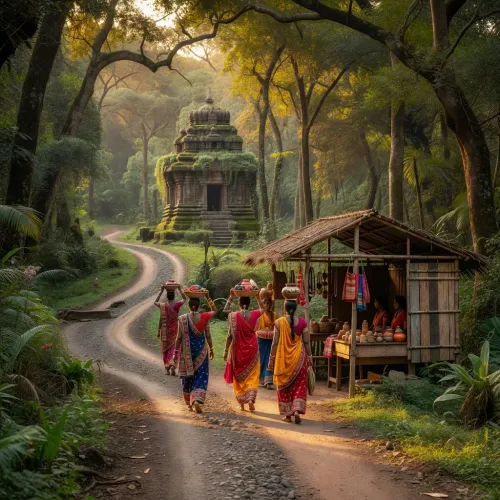
This is not an isolated state experiment. Across India, state governments have been standing up dedicated tourism missions to monetise underexplored natural and cultural assets — converting waterfalls, cave systems, and tribal heritage corridors into employment ecosystems rather than leaving them as weekend footnotes on the national map. Chhattisgarh's geography — dense forests, the Chitrakote and Tirathgarh waterfalls, cave complexes, and one of India's richest concentrations of tribal art traditions — gives it genuine raw material to work with.
The ₹500 crore figure signals a step-change in ambition. Public investment at this scale, if channelled into access infrastructure, hospitality skilling, and site-level amenities, can pull in private capital that would otherwise pass a state by. The mission's real test will come when tenders are floated and project-by-project accountability begins.
Point of View
But the mission's credibility will depend entirely on transparent tendering and independently verifiable job-creation numbers. If the disbursement is front-loaded before the next assembly cycle, it will be read as a political accelerant; if the five-year timeline is honoured, it signals genuine institutional intent. Either way, the announcement sharpens Sai's positioning as a CM with a development agenda beyond law-and-order, which defined much of the early post-2023 discourse around his government.
NationPress
30 Oct 2026
Frequently Asked Questions
What is the Mukhyamantri Paryatan Vikas Mission in Chhattisgarh?
The Mukhyamantri Paryatan Vikas Mission is a state tourism development scheme approved by the Chhattisgarh government under Chief Minister Vishnu Deo Sai. It commits ₹500 crore over five years to upgrade tourist sites to world-class standards and create employment opportunities for local youth.
How much money will Chhattisgarh invest in tourism under the new mission?
The government has approved an investment of ₹500 crore over the next five years under the Mukhyamantri Paryatan Vikas Mission.
When was the Mukhyamantri Paryatan Vikas Mission approved?
The mission was approved and announced by the Chief Minister's Office of Chhattisgarh on 30 October 2026.
What are the main tourist attractions in Chhattisgarh?
Chhattisgarh is known for its waterfalls such as Chitrakote and Tirathgarh, cave complexes, dense forests, and one of India's richest concentrations of tribal art and heritage traditions — all of which the new mission aims to develop for global visitors.
Who is the Chief Minister of Chhattisgarh in 2026?
Vishnu Deo Sai is the Chief Minister of Chhattisgarh. He took office in December 2023 following the BJP's victory in the state assembly elections.