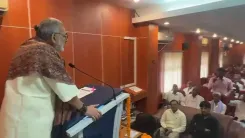
CM Sai Orders Immediate Crop Survey After Cyclone Arnab

Synopsis
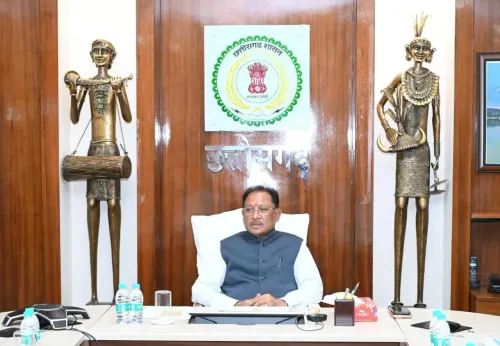
Chief Minister Vishnu Deo Sai has ordered all Chhattisgarh district collectors to immediately survey crop damage from Cyclone Arnab and disburse compensation to affected farmers under the RBC 6-4 relief framework, calling farmer welfare the government's top priority.
Key Takeaways
Cyclone Arnab has caused crop losses in Chhattisgarh , triggering a government relief response on October 30, 2026 .
Chief Minister Vishnu Deo Sai has directed all district collectors to conduct immediate crop-damage surveys.
Compensation will be disbursed under RBC 6-4 — the Revenue Book Circular provision governing natural-calamity relief for farmers in the state.
The government has stated that delivering relief to farmers is its highest priority .
Progress will hinge on the speed of field surveys and actual disbursement in the coming weeks.
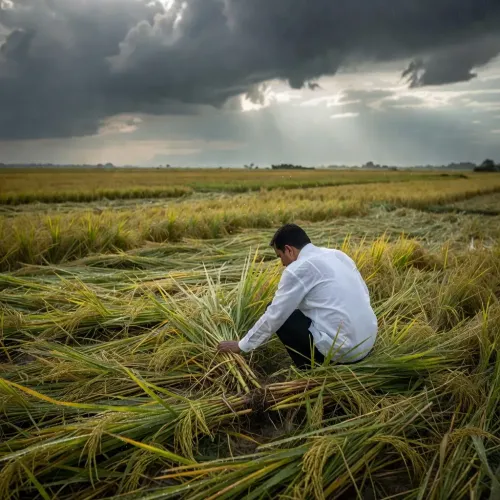
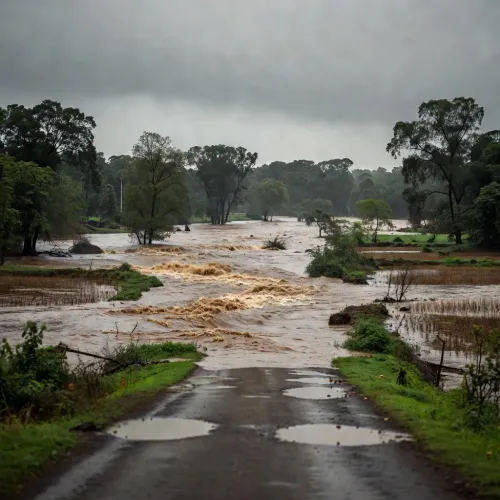
When a cyclone strikes, the clock starts ticking for farmers who cannot wait. In the wake of Cyclone Arnab, which has caused widespread crop damage across Chhattisgarh, Chief Minister Vishnu Deo Sai has directed all district collectors to launch immediate field surveys and fast-track compensation to affected farmers under the state's established relief provisions.
The Chief Minister's Office announced on Friday, October 30, 2026 that the directive orders collectors to conduct crop-loss surveys without delay and disburse financial assistance in accordance with RBC 6-4 — the Revenue Book Circular provision that governs ex-gratia payouts to farmers hit by natural disasters in Chhattisgarh. The state government framed its response with a clear priority statement: 'Kisanon ko rahat pahunchana sarkar ki sarvochch prathamikta hai' — 'Delivering relief to farmers is the government's highest priority.'
What RBC 6-4 Means for Chhattisgarh's Farmers
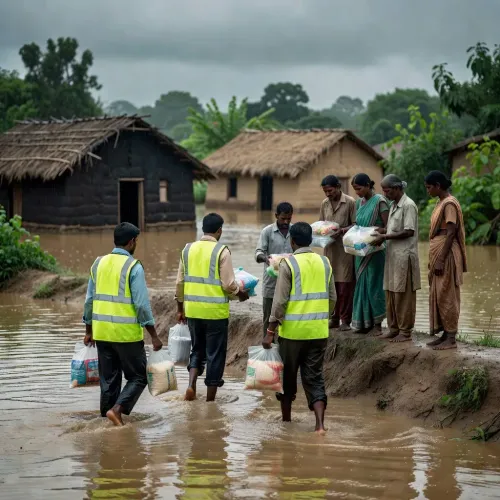
RBC 6-4 is a well-established instrument in Chhattisgarh's disaster-response toolkit. It sets the norms and rates at which the state revenue machinery compensates farmers for crop losses caused by natural calamities — cyclones, floods, and unseasonal rain alike. District collectors function as the frontline authority in this process: they commission surveys, certify damage, and trigger disbursements. The provision exists precisely so that relief does not get stuck in bureaucratic loops when time matters most.
Chhattisgarh, where agriculture remains the backbone of livelihoods across its predominantly rural districts, has activated such provisions repeatedly under successive administrations. The scale and speed of the current response will depend on how swiftly collectors can mobilise patwaris and revenue officials for ground-level damage assessment.
Sai Government's Farmer-Welfare Push Since 2023
Chief Minister Vishnu Deo Sai, who took office in December 2023 after the BJP's victory in the Chhattisgarh assembly elections, has positioned farmer welfare and Sushasan — good governance — as twin pillars of the administration. The swift, top-down directive to all collectors within hours of the cyclone's impact is consistent with that positioning. By invoking RBC 6-4 explicitly, the government signals it intends to move within existing legal and financial channels rather than waiting for a slower, special-package process.
The coming days will reveal how that intent translates on the ground — whether survey reports are filed quickly, whether disbursement reaches the most vulnerable landholdings, and whether the relief rates under RBC 6-4 keep pace with the actual scale of crop losses from Cyclone Arnab.
Chhattisgarh's farmers are waiting. The directive is issued. Now the test shifts from the Chief Minister's office to the collector's field.
Point of View
Chief Minister Sai avoids the optics of delay that often damage ruling parties after natural disasters. For a BJP government that swept to power in Chhattisgarh in 2023 on a Sushasan platform, visible and rapid farmer relief is a core credibility marker. The real test, however, is implementation fidelity — whether field-level disbursement matches the speed of the announcement. Indian states have a long record of swift directives that slow to a crawl between the collector's desk and the farmer's bank account.
NationPress
30 Oct 2026
Frequently Asked Questions
What is Cyclone Arnab and how has it affected Chhattisgarh?
Cyclone Arnab is a tropical cyclone that caused crop damage in Chhattisgarh, prompting Chief Minister Vishnu Deo Sai to order emergency surveys and relief for affected farmers on October 30, 2026.
What is RBC 6-4 in Chhattisgarh?
RBC 6-4 refers to Revenue Book Circular 6-4, a state government provision that sets norms and rates for compensating farmers who suffer crop losses due to natural calamities such as cyclones or floods.
Who ordered the crop damage survey after Cyclone Arnab?
Chief Minister Vishnu Deo Sai directed all district collectors in Chhattisgarh to immediately conduct crop-loss surveys and disburse relief to affected farmers.
How will Chhattisgarh farmers receive compensation for crop loss?
Affected farmers will receive financial assistance disbursed by district collectors following field surveys, calculated under the rates and norms specified in RBC 6-4.
When did Chhattisgarh government issue the cyclone relief directive?
The directive was issued by the Chief Minister's Office on Friday, October 30, 2026, shortly after Cyclone Arnab caused damage to crops across the state.