CM Sai Reviews Kharif 2026 Drought Prep, Vows No Input Shortage
Synopsis
Chief Minister Vishnu Dev Sai on 3 July 2026 held a high-level review of Chhattisgarh's Kharif 2026 agricultural preparedness, addressing potential low-rainfall risks, fertiliser and seed supply, water conservation, and rural employment under the Viksit Bharat-BVG Ram Ji Yojana framework.
Key Takeaways
CM Vishnu Dev Sai chaired a high-level review on 3 July 2026 focused on Kharif season 2026 drought preparedness.
The review covered fertiliser and seed availability , water conservation, irrigation management, scientific farming, and rural employment.
Sai pledged that farmers will face no shortage of inputs, technical guidance, or essential resources under any circumstances.
The Viksit Bharat-BVG Ram Ji Yojana was also reviewed as part of the rural welfare and agricultural contingency planning effort.
Inter-departmental coordination has been mandated to ensure time-bound and effective action against potential adverse monsoon conditions.
Chhattisgarh is a major rice-producing state with rain-fed farmland highly vulnerable to monsoon variability.
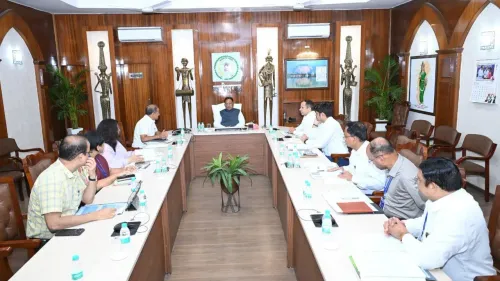
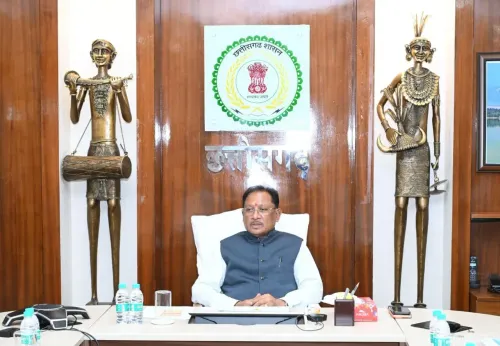
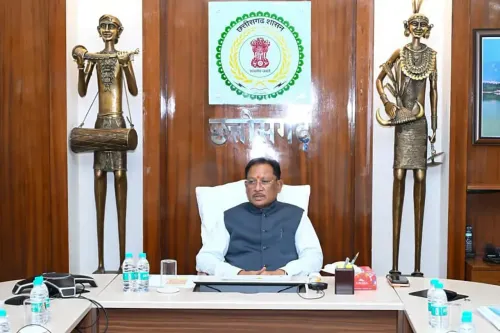
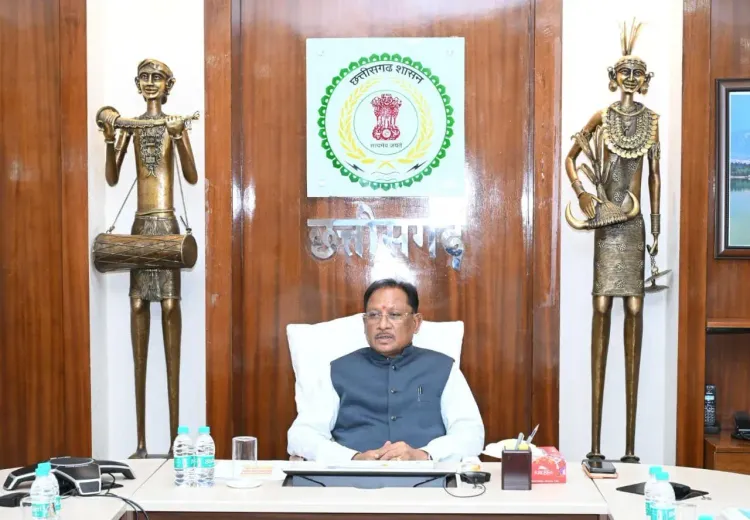
Chief Minister Vishnu Dev Sai on Friday, 3 July 2026, chaired a high-level review meeting to assess the Chhattisgarh Agriculture Department's preparedness for the Kharif season 2026, with a specific focus on the risk of below-normal rainfall. The meeting also examined the readiness of the Viksit Bharat-BVG Ram Ji Yojana, a rural welfare scheme being co-ordinated alongside agricultural contingency planning.
Context
The Chief Minister's Office shared that the review covered a wide range of concerns, including anticipated weather conditions, the availability of fertilisers and seeds, water conservation, irrigation management, scientific farming practices, and rural employment. Sai stated directly: 'Kisanon ke hit sarvopari hain' ('The interests of farmers are paramount'), pledging that under no circumstances would farmers face a shortage of fertilisers, seeds, technical guidance, or essential resources.
The meeting underscored the government's intent to establish inter-departmental coordination to ensure time-bound and effective action in the face of potential adverse conditions. Officials were directed to remain on alert for any scenario arising from monsoon variability during the critical June–October cropping window.
Policy Backdrop
Chhattisgarh is one of India's major rice-producing states, with a predominantly rain-fed agricultural economy that is acutely sensitive to monsoon performance. Pre-season coordination reviews of this nature have been institutionalised by successive state administrations as a standard drought-proofing measure, covering input supply chains, water storage, and rural employment buffers.
Since assuming office in December 2023, Chief Minister Sai's administration has placed assured supply of agricultural inputs and drought-proofing at the centre of its rural development agenda. The review also falls within the broader Viksit Bharat framework, a national initiative aimed at strengthening agricultural resilience and rural economic capacity across states.
Stakeholders and Impact
The primary stakeholders are Chhattisgarh's farming communities and rural households, who depend overwhelmingly on monsoon rains for their livelihoods. Any shortfall in rainfall during the Kharif season can directly affect rice output, rural incomes, and food security at the household level across the state.
The inclusion of rural employment in the review agenda signals that the government is preparing social safety nets alongside agricultural contingency measures — ensuring that if crop yields are affected, rural families retain access to income support through existing schemes.
What's Next
The government has indicated that all departments will be brought into a coordinated framework to respond to developing conditions in a structured and timely manner. Observers will watch for the release of official 2026 monsoon forecasts by the India Meteorological Department and any follow-up district-level contingency plans or additional allocations by the state agriculture department.
Chief Minister Sai's office affirmed that the state government is 'working with full commitment to protect the interests of farmers and rural families, secure agricultural production, and strengthen the rural economy' — a posture that sets the tone for policy decisions through the remainder of the monsoon season.
Point of View
Rather than reactive crisis management. By publicly signalling inter-departmental coordination and input guarantees before any rainfall deficit materialises, the Sai government is managing farmer sentiment as much as supply chains. The invocation of the Viksit Bharat framework ties state-level drought-proofing to a national narrative of agricultural resilience, giving the administration both policy cover and political visibility. This pattern of pre-season review meetings is now a standard tool across BJP-governed farm-dependent states, signalling a broader institutionalisation of agricultural risk communication.
NationPress
2 Oct 2026
Frequently Asked Questions
Why did CM Vishnu Dev Sai hold an agriculture review meeting in July 2026?
CM Sai convened the meeting on 3 July 2026 to assess Chhattisgarh's preparedness for the Kharif 2026 season in light of the possibility of below-normal rainfall, covering fertiliser supply, water conservation, and rural employment contingencies.
What is the Viksit Bharat-BVG Ram Ji Yojana reviewed at the meeting?
The Viksit Bharat-BVG Ram Ji Yojana is a rural welfare scheme whose preparedness was reviewed alongside the Agriculture Department's Kharif 2026 contingency plans; detailed operational specifics of the scheme have not been officially published.
How does low rainfall affect Chhattisgarh's Kharif season?
Chhattisgarh's Kharif season runs from June to October and relies heavily on monsoon rains for rice cultivation. Below-normal rainfall can reduce yields, lower farm incomes, and strain rural household finances across the largely rain-fed state.
What did CM Sai promise farmers regarding input availability?
CM Sai pledged that under no circumstances would farmers face a shortage of fertilisers, seeds, technical guidance, or any essential agricultural resources during the Kharif 2026 season.
What will happen next after this agriculture review in Chhattisgarh?
The government has directed all departments to establish coordinated frameworks for time-bound action. District-level contingency plans and responses to official 2026 monsoon forecasts from the India Meteorological Department are expected to follow.