CM Sai Reviews Kharif 2026 Prep, Viksit Bharat G-Ram-G Rollout
Synopsis
Chhattisgarh Chief Minister Vishnu Deo Sai on 3 July 2026 chaired a review of Kharif season preparations and the Viksit Bharat G-Ram-G Yojana, directing officials to ensure time-bound implementation amid forecasts of below-normal rainfall across the state.
Key Takeaways
CM Vishnu Deo Sai chaired a review meeting on 3 July 2026 covering Kharif season preparations and the Viksit Bharat G-Ram-G Yojana .
The review was prompted by forecasts of below-normal rainfall in Chhattisgarh, raising concerns for rainfed farming communities.
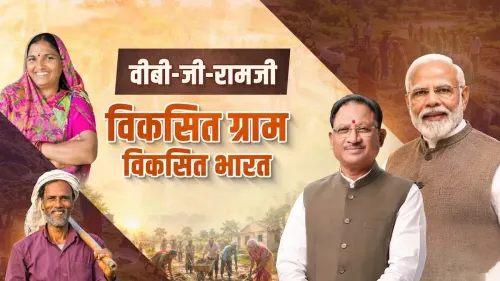
The Viksit Bharat G-Ram-G Yojana , effective from 1 July 2026 , aims to expand rural employment, raise wages, and widen development works in villages.
Officials were directed to operationalise alternative crop plans , rainwater conservation, and timely seed and fertiliser distribution in a time-bound manner.
The state's 'Mor Gaon Mor Pani' Abhiyan — a village-level water harvesting campaign active since 2019 — was also reviewed for effective implementation.
District-level execution of these directives ahead of the July-August sowing window will be the key measure of the state's drought preparedness.
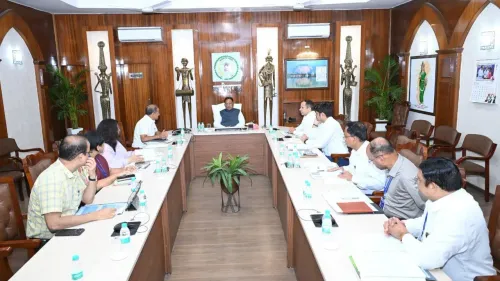
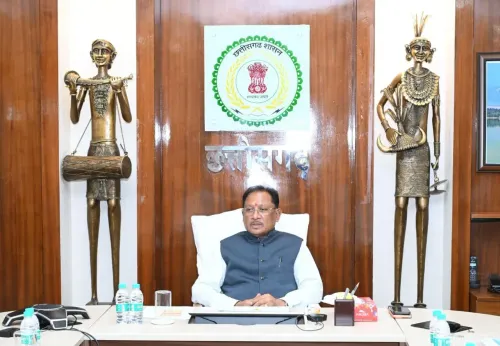
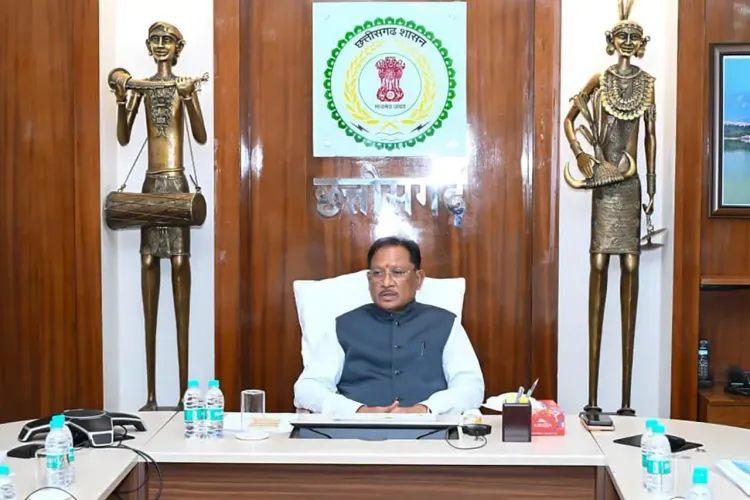
Chhattisgarh Chief Minister Vishnu Deo Sai on Friday, 3 July 2026, chaired a detailed review meeting to assess preparations for the Kharif season 2026 and the implementation of the Viksit Bharat G-Ram-G Yojana, a central government scheme set to take effect from 1 July 2026. The review was held against the backdrop of forecasts indicating below-normal rainfall in parts of the state, prompting early administrative action to protect farmers and rural livelihoods.
Context
Posting on X, CM Sai framed the meeting in terms of good governance, writing: 'हर चुनौती का समाधान, हर किसान का विश्वास - यही सुशासन की पहचान है' ('A solution to every challenge, the trust of every farmer — this is the hallmark of good governance'). He said the review covered preparations for the upcoming Kharif sowing season while keeping in view the possibility of deficient rainfall this year. Officials were directed to ensure all preparations are completed in a time-bound and effective manner.
Chhattisgarh is a predominantly agrarian state in central India with a large rural and tribal population heavily dependent on rainfed agriculture. Annual pre-Kharif reviews are standard practice for state administrations in such regions, but the explicit mention of 'anticipated below-normal rainfall' signals heightened concern ahead of the 2026 monsoon season.
Policy Backdrop
The Viksit Bharat G-Ram-G Yojana, described by the Chief Minister as a central government initiative, is positioned as a significant step toward rural livelihood security, water safety, and holistic development. According to CM Sai, the scheme expands employment opportunities, raises wages for rural workers, and widens the scope of development works in villages. He directed officials to ensure its effective and timely implementation across the state.
The scheme's stated objectives align closely with the long-standing framework of rural employment guarantees in India, which since 2005 have provided a statutory floor of wage employment in rural areas, with periodic revisions to wage rates and eligible work categories. Chhattisgarh has a track record of layering state-level initiatives onto such central frameworks to address local agricultural vulnerabilities.
The review also covered the state's 'Mor Gaon Mor Pani' (My Village, My Water) Abhiyan, a campaign focused on village-level rainwater harvesting and groundwater management. Launched in 2019, the campaign has been used to build community-level water structures in drought-prone districts across the state.
Stakeholders and Impact
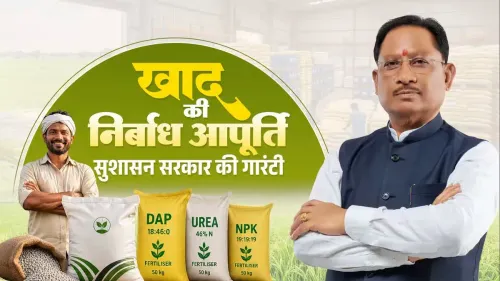
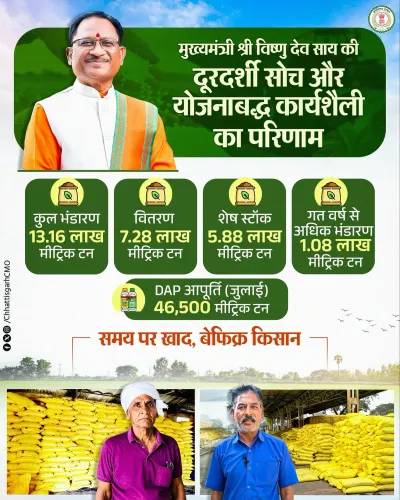
The meeting addressed several farmer-facing priorities: alternative crop planning for areas likely to face rain deficits, water management and rainwater conservation, and the timely availability of quality seeds and fertilisers ahead of the sowing window. Rural labourers stand to benefit from the expanded employment and wage provisions under the Viksit Bharat G-Ram-G Yojana.
Tribal and agrarian districts in Chhattisgarh are particularly exposed to monsoon variability, making early administrative coordination between agriculture, water resources, and rural development departments critical. The Chief Minister's directive to officials underscores that district-level readiness — not just policy announcement — is the administration's current focus.
What's Next
Attention will now turn to how swiftly district administrations operationalise the directions issued in the review meeting, particularly the rollout of the Viksit Bharat G-Ram-G Yojana from 1 July 2026 and progress on water conservation structures under the Mor Gaon Mor Pani Abhiyan. District-level employment generation figures and the pace of seed and fertiliser distribution in rain-shadow zones will serve as early indicators of how effectively the state's pre-Kharif strategy translates from boardroom to field.
With monsoon performance remaining uncertain, the state's ability to activate alternative crop plans quickly and scale rural employment works as a livelihood buffer will be closely watched by farmers and policy observers alike.
Frequently Asked Questions
What is the Viksit Bharat G-Ram-G Yojana?
The Viksit Bharat G-Ram-G Yojana is a central government scheme described by Chhattisgarh CM Vishnu Deo Sai as focused on rural livelihood, water security, and holistic village development, with expanded employment opportunities and higher wages for rural workers. It is stated to have come into effect from 1 July 2026.
Why did CM Vishnu Deo Sai hold a Kharif review in July 2026?
CM Sai convened the review in response to forecasts of below-normal rainfall in Chhattisgarh, directing officials to prepare alternative crop plans, ensure seed and fertiliser availability, and accelerate water conservation works before the peak sowing season.
What is the Mor Gaon Mor Pani Abhiyan in Chhattisgarh?
Mor Gaon Mor Pani — meaning 'My Village, My Water' — is a Chhattisgarh state campaign launched in 2019 to promote village-level rainwater harvesting, groundwater recharge, and drought preparedness, particularly in tribal and agrarian districts.
What measures did Chhattisgarh announce for farmers facing low rainfall in 2026?
The state government reviewed alternative crop planning, water management, rainwater conservation under the Mor Gaon Mor Pani Abhiyan, and timely supply of quality seeds and fertilisers, while also directing implementation of the Viksit Bharat G-Ram-G Yojana to support rural employment.
Who is Vishnu Deo Sai?
Vishnu Deo Sai is a BJP leader who has served as Chief Minister of Chhattisgarh since December 2023. He represents a tribal constituency and has focused on agricultural welfare and rural development since taking office.