Chhattisgarh CMO: 360 New Paddy Centres for Farmers
Synopsis
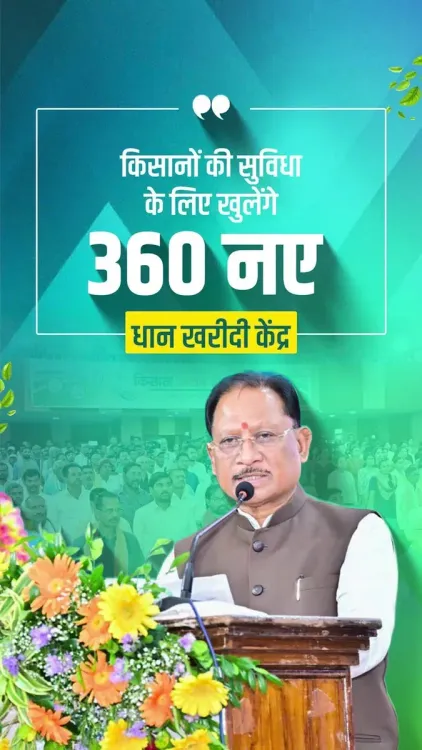
Chhattisgarh's Chief Minister's Office announced 360 new paddy procurement centres on PM Kisan Utsav Diwas, 30 October 2026, to improve MSP access for farmers and strengthen the state's kharif procurement network.
Key Takeaways
360 new paddy procurement centres are being opened across Chhattisgarh for the current season.
The announcement was made on PM Kisan Utsav Diwas, 30 October 2026 , at Swami Vivekananda Auditorium, Agriculture College, Jora, Raipur.
The expansion aims to reduce farmer travel distance to MSP buying points and curb distress sales to middlemen.
PM-KISAN , the central scheme launched in 2019, provides ₹6,000 per year in direct transfers to eligible farmer families — the state procurement network is its operational complement.
Chhattisgarh is a major paddy-producing state whose agricultural workforce is heavily dependent on the annual kharif procurement cycle.
Utilization rates of the new centres during the current kharif season will be the key measure of whether the expansion delivers on its promise.
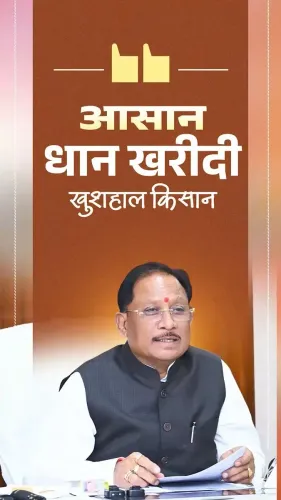
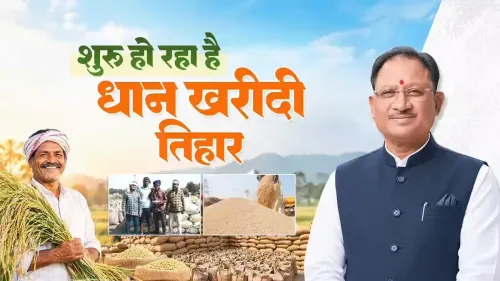
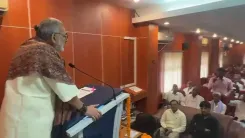
On the occasion of PM Kisan Utsav Diwas, the paddy farmers of Chhattisgarh got a concrete promise: 360 new paddy procurement centres are being opened across the state this season, making it measurably easier for growers to sell their crop at the government's minimum support price. The Chief Minister's Office of Chhattisgarh announced the expansion on Friday, 30 October 2026, from Swami Vivekananda Auditorium, Agriculture College, Jora, Raipur.
360 New Centres — What the Expansion Means on the Ground
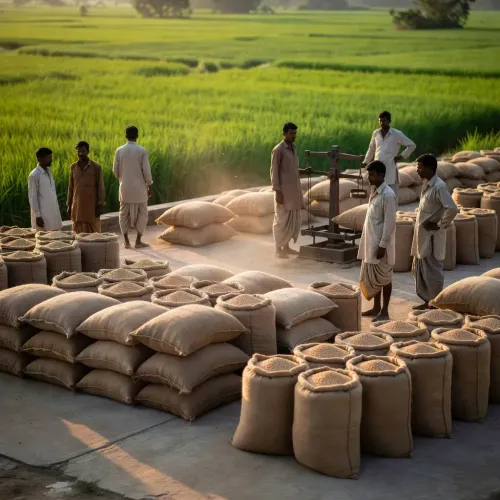
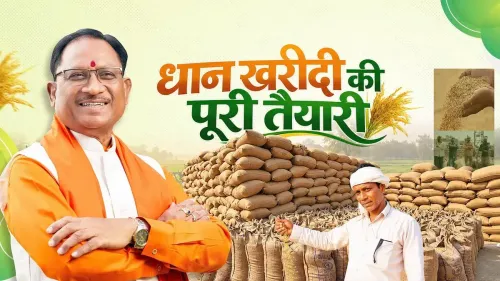
In Hindi, the post declared: 'इस बार धान खरीदी के लिए प्रदेश में 360 नए खरीदी केंद्र खोले जा रहे हैं' — 'This time, 360 new paddy procurement centres are being opened across the state.' The logic is straightforward: fewer long trips, less distress selling. When a farmer must travel far to reach a government buying point, middlemen fill the gap — often at a steep discount. More centres mean the MSP price reaches more doorsteps.
Chhattisgarh is one of India's foremost paddy-producing states, with a large agricultural workforce whose livelihood turns on the annual kharif procurement cycle. The state administration framing itself as the 'Sushasan Sarkar' (Good-Governance Government) positioned this expansion as a matter of farmer dignity — not just logistics. 'Ensuring respect and convenience for farmers is the resolve of the Sushasan Sarkar,' the post stated.
PM-KISAN Backdrop: National Income Support Meets State Infrastructure
The announcement was made on PM Kisan Utsav Diwas, the celebration tied to the PM Kisan Samman Nidhi (PM-KISAN) scheme, launched by the central government in 2019. That scheme provides ₹6,000 per year in direct benefit transfers to eligible landholding farmer families across India. State-level procurement infrastructure — the network of buying centres — is the operational counterpart to that income support, ensuring farmers can actually sell their produce at a fair price rather than being forced into informal markets.
Indian states have repeatedly expanded paddy collection points to align with national food security priorities. Chhattisgarh's move follows a broader pattern of strengthening agricultural marketing networks, particularly as the kharif harvest season peaks. The integration of state procurement infrastructure with central welfare schemes like PM-KISAN represents the dual track on which farm-support policy in India now runs.
Kharif Season Watch: Will the New Centres Deliver?
The real test will be utilization rates during the current procurement season. Announcing new centres is the easy part — staffing them, linking them to digital payment systems, and ensuring timely payments to farmers is where policy either holds or fractures. How quickly the 360 new centres become operational, and whether they successfully reduce the distance farmers must travel to access MSP, will determine whether this scales from a headline into a habit.
For a state that stakes its agricultural identity on paddy, getting procurement right is not a side note. It is the main event.
Point of View
However, a durable policy lever: unlike cash transfers, more buying centres directly reduce the structural advantage of intermediaries. The sharper long-term question is whether backend systems — digital payments, timely disbursals, adequate staffing — can match the ambition of the headline number.
NationPress
30 Oct 2026
Frequently Asked Questions
How many new paddy procurement centres is Chhattisgarh opening in 2026?
The Chhattisgarh CMO announced that 360 new paddy procurement centres are being opened across the state for the current season, as stated on 30 October 2026.
What is PM Kisan Utsav Diwas?
PM Kisan Utsav Diwas is the celebration associated with the PM Kisan Samman Nidhi (PM-KISAN) scheme, a central government programme launched in 2019 that provides ₹6,000 per year in direct income support to eligible landholding farmer families across India.
Why is Chhattisgarh expanding paddy procurement centres?
The expansion is intended to bring government MSP-based buying points closer to farmers, reducing their dependence on middlemen and ensuring they can sell their paddy at minimum support price more conveniently.
Where was the Chhattisgarh paddy centre announcement made?
The announcement was made at Swami Vivekananda Auditorium, Agriculture College, Jora, Raipur , on 30 October 2026.
What is PM-KISAN and how does it relate to paddy procurement in Chhattisgarh?
PM-KISAN provides ₹6,000 annually to eligible farmer families through direct benefit transfers. State-level procurement infrastructure like Chhattisgarh's network of buying centres complements this by ensuring farmers can sell their produce at fair MSP prices rather than being forced into informal markets.