CM Fadnavis Pushes for Fair Ride Allocation Platform for Mumbai Taxis

Synopsis
CM Devendra Fadnavis has called for a dedicated platform to ensure fair ride allocation for taxis in Maharashtra, reviving the state's long-running battle to protect traditional taxi drivers from algorithmic disadvantage imposed by ride-hailing aggregators.
Key Takeaways
CM Devendra Fadnavis has publicly called for a platform to ensure fair ride allocation for taxis in Maharashtra .
Mumbai hosts India's largest traditional taxi fleet, which has clashed repeatedly with app-based aggregators over algorithm-driven ride assignments.
Maharashtra first issued aggregator guidelines in 2017 , but taxi unions have continued to protest commission structures and allocation bias.
No specific platform design or government order has been officially detailed yet; implementation steps remain the key watch item.
Similar regulatory attempts in Karnataka and Delhi — including surge-price caps and licensing rules — have had mixed outcomes, signalling the complexity ahead.
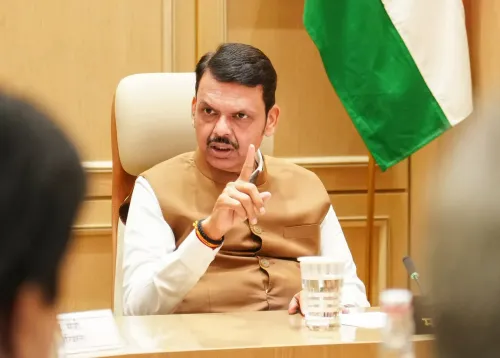
Mumbai's taxi wars have a new front — and this time, the Chief Minister is stepping in. Chief Minister Devendra Fadnavis has called for the creation of a dedicated platform to ensure fair ride allocation for taxis in Maharashtra, raising the stakes in a long-running tension between traditional cab operators and ride-hailing aggregators.
What Fadnavis Is Demanding
The Chief Minister's push centres on a structural fix: a platform designed to level the algorithmic playing field for taxi drivers, particularly those in Mumbai's iconic black-and-yellow fleet, who have long complained that aggregator apps systematically disadvantage them in ride assignments. The call signals that the Maharashtra government sees this not merely as a market dispute, but as a governance problem requiring a policy solution.
Mumbai's Taxi Fault Line
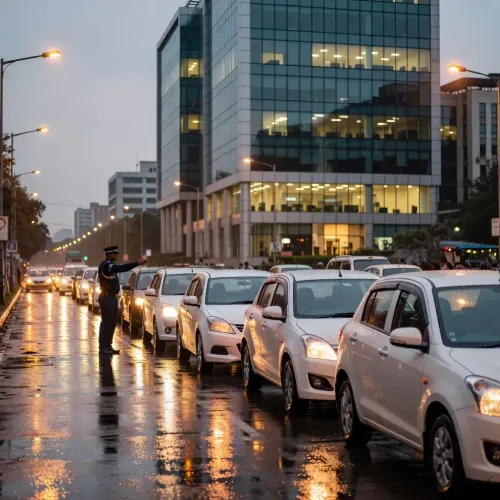
Mumbai is home to India's largest traditional taxi fleet, operating under meter-based regulations that predate the smartphone era. When app-based ride-hailing platforms arrived in force through the 2010s, the disruption was immediate and bitter — cutting into the livelihoods of tens of thousands of drivers who had no algorithmic leverage. Maharashtra issued guidelines for app-based aggregators in 2017 to address early competition concerns, but taxi unions have returned to the streets periodically since, pressing for stronger protections on allocation algorithms and commission structures.
The Platform Idea and What Comes Next
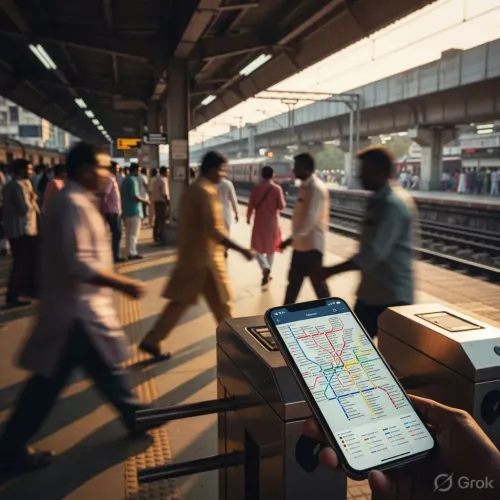
The specific contours of the proposed platform have not yet been detailed in official orders. What matters now is whether this call translates into a formal government tender, regulatory consultations with aggregator companies, or structured engagement with taxi unions — the three levers that would turn a statement into policy. Indian states including Karnataka and Delhi have previously attempted surge-price caps and licensing requirements, with mixed results, underscoring just how difficult it is to legislate fairness into a privately-controlled algorithm.
For Mumbai's drivers, a functioning allocation platform could mean the difference between a viable income and obsolescence. CM Fadnavis has put the issue squarely on the government's agenda — the hard work of building something that actually works starts now.
Point of View
And elected governments can no longer leave platform economics entirely to private operators. By framing the issue as one of 'fairness' rather than protectionism, the CM positions the initiative as pro-worker rather than anti-tech — a politically astute move ahead of municipal election cycles in Mumbai. The real test, however, is institutional follow-through: Maharashtra's 2017 aggregator guidelines failed to fully resolve the structural imbalance, suggesting that a new platform, without enforcement teeth, risks becoming another headline without impact.
NationPress
30 Oct 2026
Frequently Asked Questions
What did CM Devendra Fadnavis say about taxis in Maharashtra?
CM Devendra Fadnavis called for the creation of a platform to ensure fair ride allocation for taxis, aiming to address long-standing complaints by traditional taxi drivers about algorithmic disadvantage on aggregator apps.
Why do Mumbai taxi drivers complain about ride-hailing apps?
Mumbai's traditional black-and-yellow taxi drivers argue that app-based aggregator platforms use allocation algorithms and commission structures that systematically favour their own registered drivers over legacy fleet operators, reducing their ride share and income.
Has Maharashtra regulated taxi aggregators before?
Yes. Maharashtra issued guidelines for app-based taxi aggregators in 2017 to address competition concerns, but taxi unions have continued periodic protests since then, indicating the earlier regulations did not fully resolve the dispute.
What would a fair ride allocation platform for taxis do?
Such a platform would aim to create transparent, neutral rules for distributing ride requests among all registered taxis — both app-based and traditional — reducing the ability of any single aggregator's algorithm to concentrate bookings within its own fleet.
What are the next steps after Fadnavis's call for a taxi platform?
Watch for a formal government order or tender for platform development, regulatory consultations with ride-hailing aggregators, and structured dialogue with Mumbai's taxi unions — these would signal the proposal moving from announcement to actionable policy.