Maharashtra CM Fadnavis orders AI-powered digital platform for cab aggregators
Synopsis
Maharashtra CM Devendra Fadnavis has ordered an AI-powered state platform to monitor every cab aggregator vehicle, driver shift, and ride allocation in real time — and, in a pointed move, directed officials to use technology to detect algorithmic bias against independent taxi drivers. It is one of the most specific regulatory interventions an Indian state has made against ride-hailing platform opacity.
Key Takeaways
Maharashtra CM Devendra Fadnavis on 29 October ordered a state-of-the-art AI-powered digital platform to monitor cab aggregator operations in real time.
The platform will track vehicle registration, driver profiles, police verification, shift logs, and parking data for every aggregator vehicle.
Fadnavis directed officials to audit ride allocation algorithms and deploy tech to detect bias against independent taxi drivers.
The directives came during a review of the Maharashtra Aggregator Rules-2026 , attended by Transport Minister Pratap Sarnaik and senior officials.
A comprehensive technology-driven regulatory framework balancing passenger safety, driver employment, and traffic discipline is to be developed.
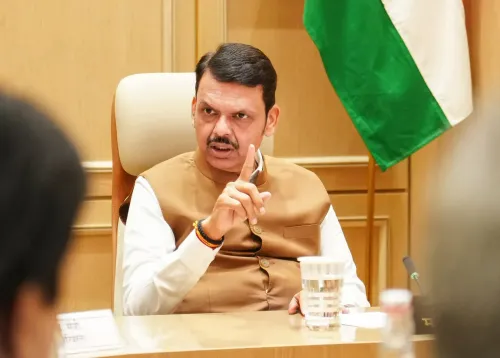
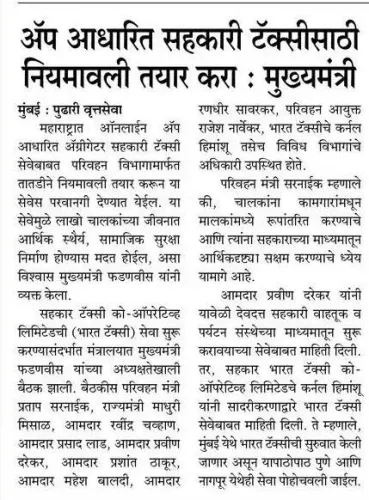
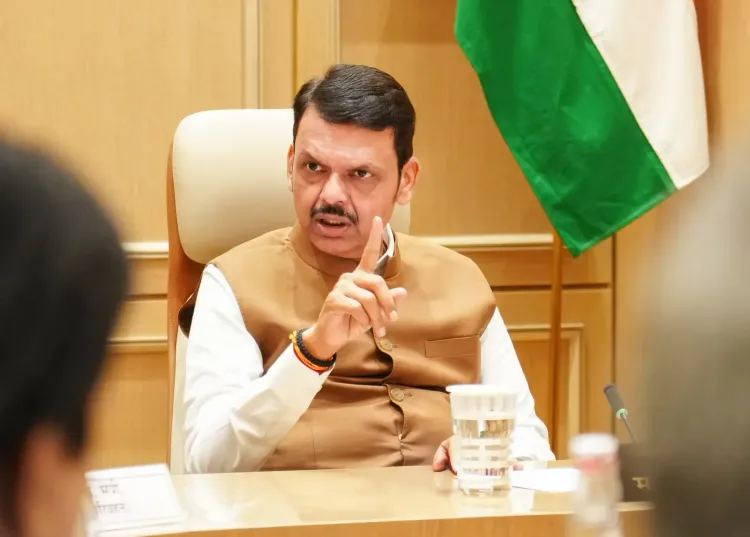
Maharashtra Chief Minister Devendra Fadnavis on Thursday, 29 October directed the state transport department to build a state-of-the-art digital platform that provides real-time data on aggregator companies' vehicles, drivers, and working hours — a move aimed at making app-based passenger transport services in Maharashtra safer, more transparent, and better regulated.
What the Platform Will Do
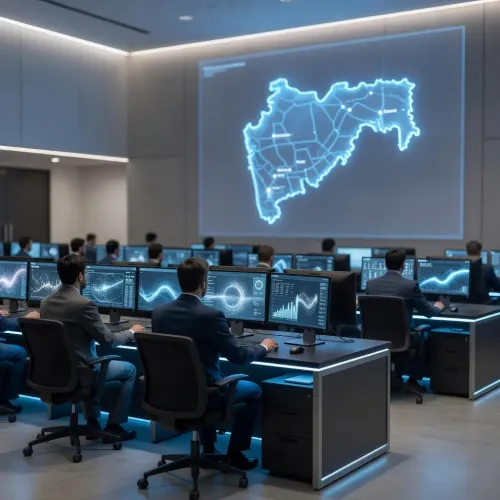
The proposed system will integrate Artificial Intelligence (AI)-based analytics to monitor vehicle operations, driver dispatch, parking management, and passenger services. According to Fadnavis, every vehicle operating under an aggregator company must have complete digital records available on the platform — covering vehicle registration, assigned parking, driver profile, driving licence, police verification, and all other mandatory documents.
The system will also maintain real-time logs tracking which driver is operating which vehicle across different shifts throughout the day. In the event of an incident, the mechanism must ensure that vehicle and driver details are immediately accessible to authorities, the Chief Minister stressed.
The Meeting and Key Attendees
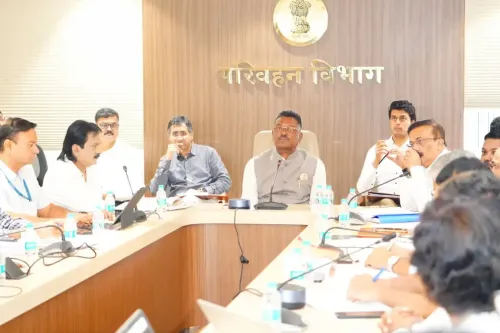
Fadnavis issued these directives during a review meeting focused on the Maharashtra Aggregator Rules-2026. The session covered the expanding aggregator fleet, challenges faced by independent taxi drivers, passenger safety concerns, and transparency gaps in ride allocation on digital platforms. Transport Minister Pratap Sarnaik, Additional Chief Secretary (Transport) Sanjay Sethi, Transport Commissioner Rajesh Narvekar, and other senior transport department officials were present.
Tackling Algorithmic Bias in Ride Allocation
A key focus of the meeting was ensuring fair competition between independent taxi operators and large fleet management companies. Fadnavis directed officials to audit the criteria used for assigning rides on app-based platforms and to deploy technology to detect bias or unfair discrimination in ride allocation algorithms. He noted that it is essential to verify whether small, independent drivers receive equal opportunities relative to aggregator-owned fleets.
Notably, concerns over algorithmic opacity in ride-hailing apps have been raised by driver unions across Indian cities for several years, making Maharashtra's push for algorithmic audits one of the more pointed regulatory responses to the issue at a state level.
Building a Tech-Driven Regulatory Framework
Fadnavis underscored that passenger safety and local driver employment must be addressed simultaneously. He directed the Transport Department to develop an efficient, technology-driven regulatory framework that balances the interests of independent taxi drivers, passenger safety, and overall traffic discipline — in line with the growth trajectory of the state's aggregator sector.
The framework, once in place, could serve as a model for other states grappling with regulating the fast-growing gig-economy transport sector. Details on timelines for platform development and rollout are yet to be officially announced.
Point of View
Arguing it is proprietary — and Indian regulators have largely accepted that framing. Fadnavis is now insisting the state can and will look inside that black box, which, if backed by enforceable rules, sets a precedent that platforms operating across India cannot ignore. The harder question is whether the Transport Department has the technical capacity to conduct meaningful algorithmic audits, or whether the directive will produce compliance theatre. The Maharashtra Aggregator Rules-2026 will be the real test of intent.
NationPress
29 Oct 2026
Frequently Asked Questions
What did Maharashtra CM Devendra Fadnavis announce regarding cab aggregators?
Fadnavis directed the Maharashtra transport department to build an AI-powered digital platform providing real-time data on aggregator vehicles, drivers, and ride allocation. The move, announced on 29 October, is part of a broader review of the Maharashtra Aggregator Rules-2026.
What is the Maharashtra Aggregator Rules-2026?
The Maharashtra Aggregator Rules-2026 is a regulatory framework governing app-based passenger transport services in the state. It addresses issues such as vehicle oversight, driver compliance, passenger safety, and fair ride allocation on digital platforms.
How will the new platform tackle algorithmic bias?
Fadnavis directed officials to audit the criteria used by aggregator apps to assign rides and to use technology to detect any bias or unfair discrimination against independent taxi drivers. This is aimed at ensuring small operators receive equal opportunities alongside large fleet companies.
Which officials attended the aggregator rules review meeting?
Transport Minister Pratap Sarnaik, Additional Chief Secretary (Transport) Sanjay Sethi, Transport Commissioner Rajesh Narvekar, and other senior transport department officials attended the meeting chaired by Chief Minister Devendra Fadnavis.
When will the new digital platform be operational?
No official timeline has been announced yet. Fadnavis has directed the Transport Department to develop the technology-driven regulatory framework, but rollout details are yet to be confirmed.