Opposition's 'mock parliament' on Friday to push CEC Gyanesh Kumar impeachment

Synopsis
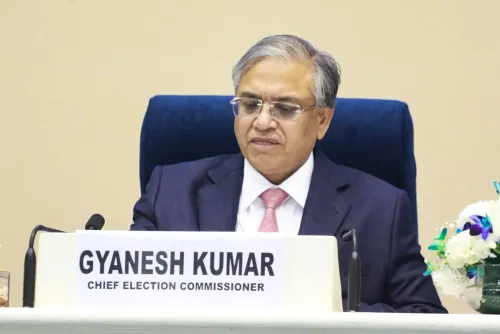
The Congress-led INDIA bloc is staging a 'mock parliament' at Kharge's residence on Friday to symbolically impeach CEC Gyanesh Kumar — a move that carries no legal force but signals the Opposition's intent to take its Election Commission grievances from the legislature to the public court ahead of the winter session.
Key Takeaways
The INDIA bloc will hold a mock parliament on Friday, 31 October 2026 at 10 Rajaji Marg, New Delhi .
The session will move a symbolic motion to impeach CEC Gyanesh Kumar over alleged malpractices in the Special Intensive Revision (SIR) exercise.
Former Lok Sabha Speaker Meira Kumar will preside; Mallikarjun Kharge will move the resolution and Rahul Gandhi will conclude the debate.
Civil society representatives and alleged victims of the SIR exercise are also expected to present evidence at the event.
The exercise is explicitly symbolic — the Opposition lacks the parliamentary numbers required for a constitutional impeachment of the CEC.
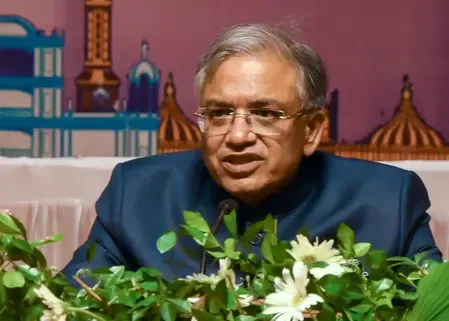
The Congress-led INDIA bloc is set to hold a symbolic 'mock parliament' session on Friday, 31 October 2026, at the residence of Congress President Mallikarjun Kharge — 10 Rajaji Marg, New Delhi — where Opposition members of parliament will formally move and vote on a motion to impeach Chief Election Commissioner (CEC) Gyanesh Kumar. The exercise is aimed at intensifying pressure against what the Opposition describes as 'arbitrary' decision-making by the Election Commission of India (ECI) and alleged malpractices in the Special Intensive Revision (SIR) exercise.
Format and Proceedings
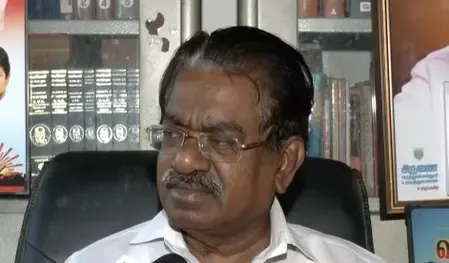
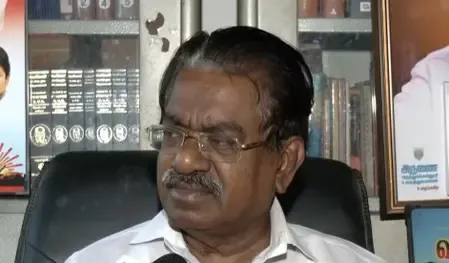
Former Lok Sabha Speaker Meira Kumar is expected to preside over the mock parliament. According to Communist Party of India-Marxist (CPI-M) MP John Brittas, the session will follow a structured impeachment format. Leader of Opposition in Rajya Sabha Mallikarjun Kharge will move the resolution, while Leader of Opposition in Lok Sabha Rahul Gandhi will conclude the debate. Representatives from constituent parties of the INDIA bloc, civil society members, and individuals claiming to be affected by the SIR process will also participate and present evidence.
'This will reflect the aspirations of the people. We will have a proper impeachment process, with a presiding officer... Representatives of various parties will present their views,' Brittas told reporters.
Why the Opposition Is Acting Now
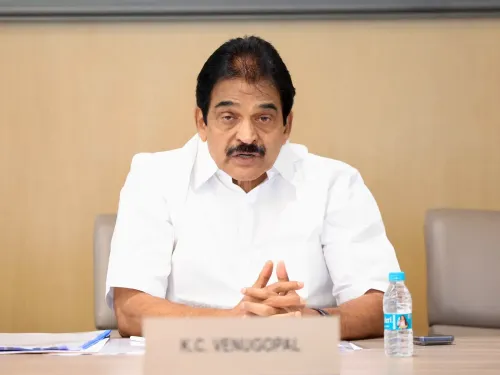
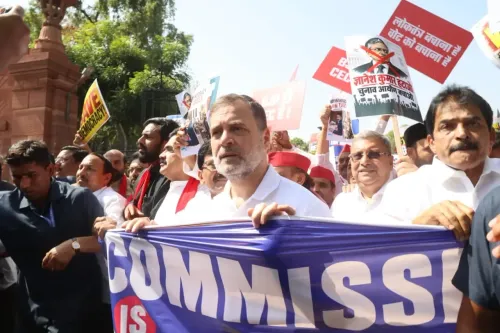
The INDIA bloc has repeatedly raised concerns in Parliament about the conduct of the SIR exercise, alleging widespread electoral irregularities. According to bloc leaders, their objections have been consistently dismissed by the ruling dispensation without adequate response. Kharge, speaking to the press on Thursday, endorsed the mock parliament idea, describing public mobilisation as essential to democratic accountability and framing the event as an effort to 'expose government-EC collusion.'
Notably, a formal impeachment of the CEC through constitutional channels requires a majority of the total membership of Parliament and a two-thirds majority of members present and voting in each House — a threshold the Opposition does not currently command. The mock parliament is therefore explicitly symbolic, designed to build public pressure rather than produce a legally binding outcome.
The Significance of the Symbolic Move
Opposition leaders are firm that the exercise is not a publicity stunt but a reflection of public sentiment against electoral mismanagement. Brittas argued that the INDIA bloc's voice has been 'repeatedly ignored and crushed' inside Parliament, leaving extra-parliamentary demonstrations as the primary avenue to register dissent. This comes amid a broader pattern of Opposition-led protest theatrics, including walkouts and sit-ins, over perceived ECI bias since the 2024 general elections.
What Comes Next
The mock parliament is expected to pass a symbolic resolution calling for CEC Gyanesh Kumar's removal. Whether the event galvanises wider public opinion or remains a one-day headline will likely determine how aggressively the INDIA bloc pursues the issue in the forthcoming winter session of Parliament.
Point of View
Low on constitutional consequence — but its targeting of the Chief Election Commissioner marks a qualitative escalation. By specifically naming and staging a public 'trial' of a constitutional functionary, the INDIA bloc is testing how far extra-parliamentary pressure can substitute for numbers it does not have inside the real Parliament. The risk is that repeated symbolic protests without legislative follow-through diminish rather than amplify Opposition credibility. What this moment actually reveals is a deeper crisis: when the Opposition can no longer trust redress within institutional channels, it builds its own — and that tension is worth watching as the winter session approaches.
NationPress
29 Oct 2026
Frequently Asked Questions
What is the INDIA bloc's 'mock parliament' on Friday?
It is a symbolic legislative session organised by the Congress-led INDIA bloc at Congress President Mallikarjun Kharge's residence on 31 October 2026, where Opposition MPs will debate and vote on a motion to impeach Chief Election Commissioner Gyanesh Kumar. The event carries no legal or constitutional force but is designed to register public protest against the Election Commission.
Why does the Opposition want to impeach CEC Gyanesh Kumar?
The Opposition alleges arbitrary decision-making by the Election Commission and widespread malpractices during the Special Intensive Revision (SIR) exercise. INDIA bloc leaders claim their objections have been ignored within Parliament, prompting them to take the issue to a public forum.
Who will preside over the mock parliament?
Former Lok Sabha Speaker Meira Kumar is expected to preside over the session. Mallikarjun Kharge will move the impeachment resolution and Rahul Gandhi will conclude the debate, according to CPI-M MP John Brittas.
Can the Opposition actually impeach the Chief Election Commissioner?
No. A constitutional impeachment of the CEC requires a majority of total parliamentary membership and a two-thirds majority of those present and voting in each House — a threshold the Opposition does not currently command. Friday's event is therefore explicitly symbolic, intended to build public pressure.
What happens after the mock parliament?
The session is expected to pass a symbolic resolution calling for CEC Gyanesh Kumar's removal. The INDIA bloc is likely to use the event to set the tone for its strategy in the upcoming winter session of Parliament, where it may formally raise the impeachment motion again.