Kishan Reddy backs Cabinet's Khelo India Manufacturing Scheme
Synopsis
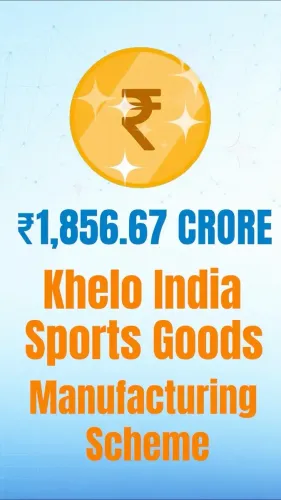
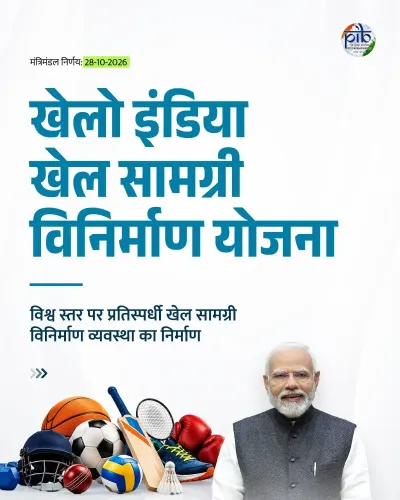
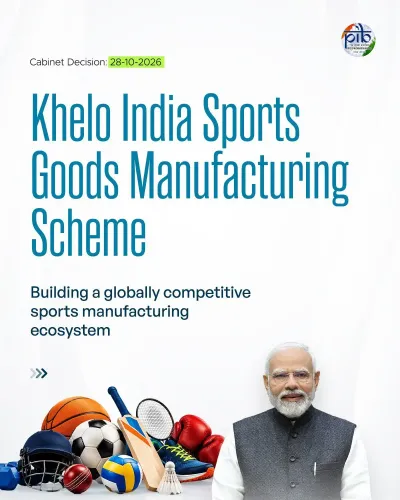
The Union Cabinet under PM Modi has approved the Khelo India Sports Goods Manufacturing Scheme, aimed at boosting domestic production, innovation and global competitiveness in India's sports equipment sector. Union Minister G. Kishan Reddy welcomed the decision as a landmark step for Indian sports and manufacturing.
Key Takeaways
The Union Cabinet approved the Khelo India Sports Goods Manufacturing Scheme under PM Narendra Modi on 29 October 2026 .
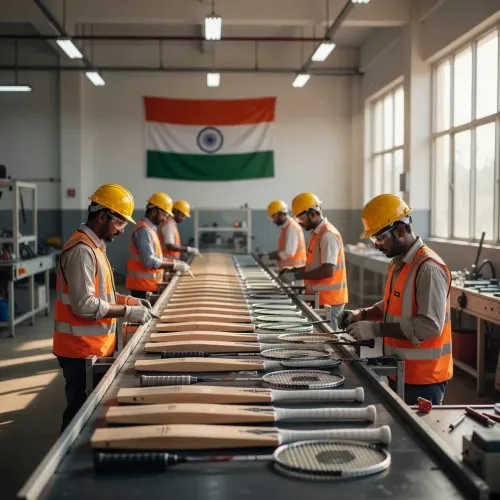
The scheme targets domestic production of sports equipment through manufacturing, innovation and technology.
It extends the Khelo India programme — active since 2017 — into the industrial supply-chain domain.
Existing sports goods clusters in Jalandhar (Punjab) and Uttar Pradesh are among the key beneficiary regions.
The scheme aligns with the Atmanirbhar Bharat framework and the Make in India initiative launched in 2014 .
Scheme guidelines, financial outlay and implementation timelines from the Ministry of Youth Affairs and Sports are awaited.
A sporting superpower, Union Coal and Mines Minister G. Kishan Reddy argues, is assembled on factory floors as much as on playing fields — and the Union Cabinet's approval of the Khelo India Sports Goods Manufacturing Scheme on 29 October 2026 is India's sharpest move yet to close the gap between athletic ambition and industrial capacity.
Reddy, who also serves as BJP's Telangana state president, took to X to welcome the Cabinet decision, writing: 'A strong sporting nation is built not just on the field, but also through world-class manufacturing, innovation and technology.' He described the scheme — cleared under the leadership of Prime Minister Narendra Modi — as 'a significant step towards strengthening India's domestic sports industry, creating new opportunities and making Indian sports goods globally competitive.'
From grassroots to global supply chains
The new scheme extends the arc of the broader Khelo India programme, which has been India's flagship grassroots sports initiative since its 2017 launch. That programme focused on talent identification, athlete pathways and infrastructure. The manufacturing scheme now attacks a structural blind spot: the dependence on imported equipment even as Indian athletes compete on the world stage.
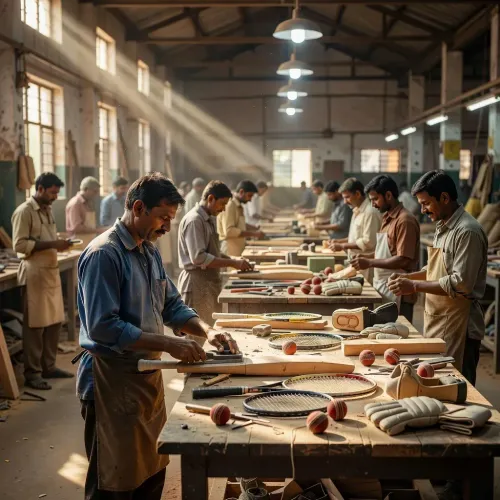
India already has established sports goods clusters — notably in Jalandhar, Punjab and parts of Uttar Pradesh — that supply equipment globally, yet have historically lacked the technology investment and policy tailwind to move up the value chain. The new scheme targets precisely that upgrade: innovation and technology-led production that can make 'Made in India' sports goods a default, not a compromise.
Atmanirbhar logic applied to the stadium
The policy logic mirrors what India has done in defence, electronics and pharmaceuticals under the Atmanirbhar Bharat framework — link domestic manufacturing capacity to a captive demand base, then push exports. The Make in India initiative, launched in 2014, established the template; the Khelo India Sports Goods Manufacturing Scheme applies it to sports equipment for the first time with a dedicated Cabinet-level commitment.
For young athletes, that matters beyond symbolism. Affordable, domestically produced equipment directly shapes access at the grassroots level — the very pipeline Khelo India was designed to nurture. Closer supply chains mean faster availability and lower costs for state academies and school programmes alike.
Guidelines, funding and the implementation test
The decisive questions now sit with the Ministry of Youth Affairs and Sports: the scheme's financial outlay, eligibility criteria, technology-upgrade incentives and a credible implementation timeline. Cabinet approval is the starting gun. Whether the scheme delivers a measurable shift in domestic production volumes and sports goods exports will depend entirely on the speed and specificity of the guidelines that follow.
India has set its ambition. The scoreboard starts when the rulebook lands.
Point of View
The government is acknowledging that equipment dependency is a structural ceiling on athletic performance. The real test will be whether the scheme delivers concrete financial incentives and technology-transfer mechanisms for clusters like Jalandhar, rather than remaining a policy headline. If it does, India could simultaneously deepen its grassroots athlete pipeline and carve out a meaningful share of the global sports goods export market.
NationPress
29 Oct 2026
Frequently Asked Questions
What is the Khelo India Sports Goods Manufacturing Scheme?
It is a Cabinet-approved initiative under PM Narendra Modi designed to boost domestic production of sports equipment in India through manufacturing, innovation and technology, with the goal of making Indian sports goods globally competitive.
When was the Khelo India Sports Goods Manufacturing Scheme approved?
The Union Cabinet approved the scheme on 29 October 2026 .
How is this scheme linked to the existing Khelo India programme?
The original Khelo India programme, launched in 2017 , focused on grassroots talent development and sports infrastructure. The new manufacturing scheme expands that mission into the industrial domain, targeting the domestic production of sports equipment.
Which regions in India stand to benefit from the sports goods manufacturing scheme?
Established sports goods clusters in Jalandhar, Punjab and parts of Uttar Pradesh are among the primary beneficiary regions, as they already have a manufacturing base that the scheme aims to upgrade technologically.
What happens next after the Cabinet approval?
The Ministry of Youth Affairs and Sports is expected to release detailed scheme guidelines, financial outlay and an implementation timeline that will determine the scheme's actual impact on domestic production and sports goods exports.