CM Conrad Sangma attends MPOWER Workshop in South Tura
Synopsis
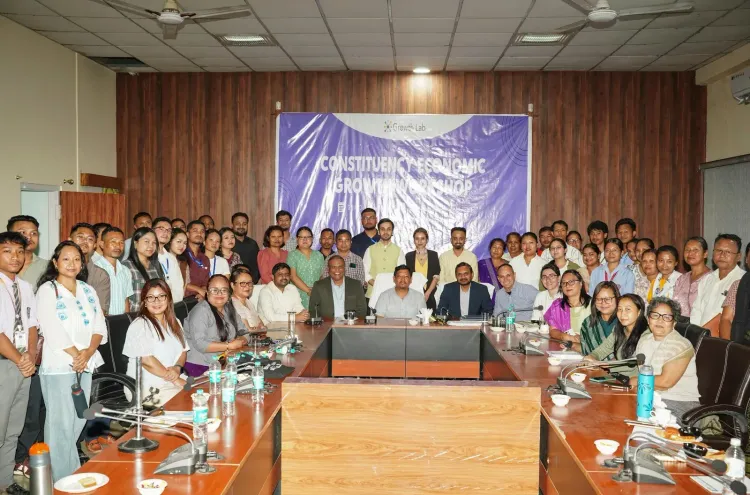
Meghalaya CM Conrad Sangma attended the MPOWER Youth Employment and Economic Growth Workshop in South Tura, co-organised with Harvard Kennedy School's Growth Lab, bringing together local producers, entrepreneurs, traditional leaders and officials to identify region-specific growth opportunities.
Key Takeaways
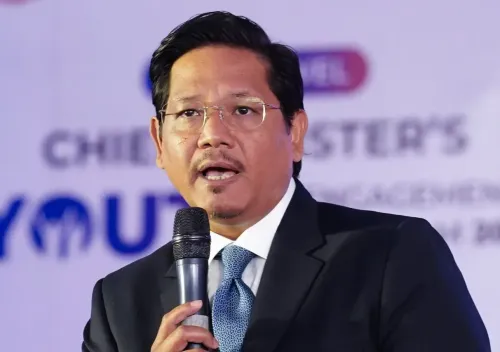
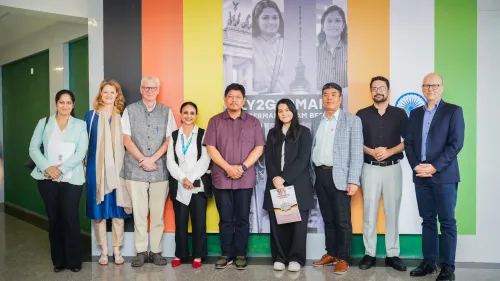
Meghalaya Chief Minister Conrad Sangma attended the MPOWER Youth Employment and Economic Growth Workshop in South Tura on October 29, 2026 .
The workshop was organised in partnership with the Growth Lab at Harvard Kennedy School , a centre specialising in economic growth diagnostics.
Participants included local producers, community organisations, government officials, entrepreneurs and traditional leaders — a deliberately multi-stakeholder format.
The workshop aims to identify employment opportunities rooted in Meghalaya's regional strengths and build pathways to inclusive economic growth.
South Tura is located in West Garo Hills district , one of Meghalaya's economically lagged regions, making the venue choice significant.
Follow-up policy recommendations or pilot programmes from the workshop could feed into future state budget and planning announcements.
A Harvard-partnered economic workshop landed in South Tura, Meghalaya, on Thursday, October 29 — and Meghalaya Chief Minister Conrad Sangma was in the room. The MPOWER Youth Employment and Economic Growth Workshop, organised in partnership with the Growth Lab at Harvard Kennedy School, convened local producers, community organisations, government officials, entrepreneurs and traditional leaders to map the region's economic challenges and unlock its latent potential.
What MPOWER brought to the table in West Garo Hills
The workshop's design was deliberately multi-stakeholder — no single voice dominated. Traditional leaders sat alongside government officials; community organisations shared the floor with entrepreneurs. The premise: that Meghalaya's growth constraints can only be diagnosed — and solved — when every layer of the local economy has a seat at the table.
CM Sangma framed the exercise as a tool for 'meaningful employment opportunities for our youth and a pathway towards sustainable and inclusive economic growth.' West Garo Hills, home to South Tura, is one of Meghalaya's economically lagged districts, making it a pointed choice of venue.
Harvard's Growth Lab and Northeast India's development turn
The Growth Lab at Harvard Kennedy School is no generic consultancy. It specialises in economic growth diagnostics — mapping what a place can realistically produce and trade, then identifying the specific binding constraints holding it back. Its methodology has been deployed across Latin America, Africa and South Asia. Bringing that analytical firepower to a district-level workshop in Meghalaya signals an ambition well beyond routine government outreach.
Northeastern states have increasingly turned to international academic institutions to supplement central schemes — recognising that region-specific diagnostics matter more than one-size-fits-all policy templates. This aligns with India's broader push for inclusive development models that braid together government, community and private-sector inputs, particularly for frontier states where conventional industrial playbooks rarely stick.
Meghalaya's youth employment stakes
Meghalaya has pursued youth skill and employment initiatives through state and central Northeast development programmes since the mid-2010s, but translating policy intent into durable jobs has remained a persistent challenge. The MPOWER workshop is designed to go upstream — understanding why employment opportunities have not scaled before prescribing solutions.
The immediate deliverable to watch: whether the workshop produces concrete follow-up policy recommendations or pilot programmes, and whether those feed into the state's next budget or planning cycle. A Harvard-backed diagnostic is only as valuable as the action it generates on the ground.
Conrad Sangma has made inclusive economic growth a centrepiece of his administration's identity. A workshop that draws Harvard expertise to a Garo Hills town is a statement of intent — the question now is what gets built from the blueprint.
Point of View
Locally-grounded diagnostics anchored by international academic rigour. For Conrad Sangma, the Harvard association adds both methodological credibility and political visibility to Meghalaya's youth employment agenda ahead of future electoral cycles. The broader pattern — frontier states partnering with global institutions to bypass generic central templates — reflects a growing confidence among Northeast chief ministers to chart their own economic narratives. Whether the diagnostic energy of a single workshop translates into durable state policy will be the real test.
NationPress
29 Oct 2026
Frequently Asked Questions
What is the MPOWER Youth Employment Workshop in Meghalaya?
The MPOWER Youth Employment and Economic Growth Workshop is an initiative held in South Tura, Meghalaya, co-organised with the Growth Lab at Harvard Kennedy School to identify economic challenges and growth opportunities specific to the region by bringing together local producers, entrepreneurs, community organisations and traditional leaders.
What is the Growth Lab at Harvard Kennedy School?
The Growth Lab at Harvard Kennedy School is a research centre that specialises in economic growth diagnostics — mapping productive capabilities and identifying binding constraints that hold back development in specific regions and countries.
Why was South Tura chosen for the MPOWER Workshop?
South Tura is a town in West Garo Hills district, one of Meghalaya's economically lagged areas, making it a pointed choice to pilot a growth diagnostic and employment-focused workshop.
What are the goals of the MPOWER Workshop in Meghalaya?
The workshop aims to understand the challenges to economic development in Meghalaya, identify opportunities rooted in the region's strengths, create meaningful employment for youth and build a pathway toward sustainable and inclusive economic growth.
What should we watch for after the MPOWER Workshop?
Key things to monitor include any follow-up policy recommendations or pilot programmes emerging from the workshop and whether those findings influence Meghalaya's upcoming state budget or planning announcements.