Nadda Reviews Cleanliness, New Patient Lounge at AIIMS Delhi
Synopsis
Union Health Minister J. P. Nadda visited AIIMS New Delhi on 29 October 2026 under Special Campaign 6 to review cleanliness, inspect a proposed 897-capacity Aashray patient shelter, and acknowledge sanitation workers, reaffirming the Health Ministry's Swachh Bharat commitments in public hospitals.
Key Takeaways
Nadda visited AIIMS New Delhi on 29 October 2026 as part of #SpecialCampaign6 .
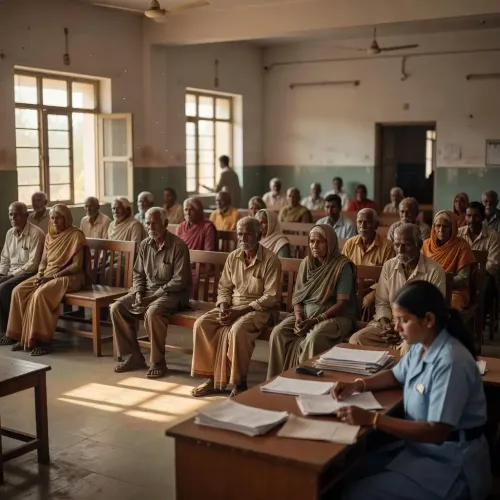
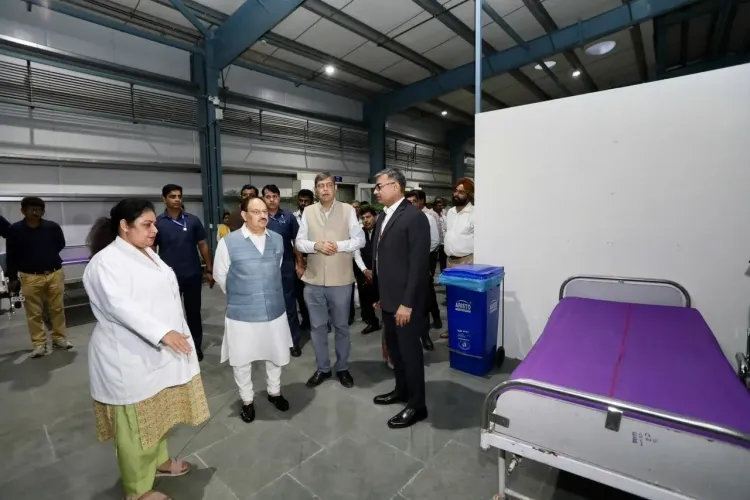
He inspected a newly constructed Patient Waiting Lounge proposed to shelter 897 patients and attendants as an Aashray facility.
The shelter is specifically intended for patients and families travelling from outside Delhi for treatment.
Nadda reviewed AIIMS initiatives in waste management, water conservation and green mobility.
The minister interacted with sanitation workers and recognised their role in patient care.
The visit is anchored in the Swachh Bharat Abhiyan , launched by PM Modi on 2 October 2014 .
A ward that heals should also shelter — and Union Health Minister J. P. Nadda took that principle to AIIMS New Delhi on Thursday, 29 October 2026, inspecting the hospital's sanitation infrastructure and a newly built patient waiting lounge proposed to serve as an Aashray (shelter) for hundreds of patients and their families.
Nadda's visit was conducted under #SpecialCampaign6, a periodic government-wide cleanliness drive that has been carried out in central government offices and hospitals since 2021. The minister walked through the newly constructed Patient Waiting Lounge, which is proposed to accommodate 897 patients and attendants, providing safe, dignified and weather-protected accommodation — particularly for those who travel from outside Delhi to seek care at India's premier public hospital.
What the Aashray Shelter aims to fix
AIIMS New Delhi draws patients from every corner of the country, many of whom arrive without a place to stay and end up waiting in corridors, outside wards, or on hospital grounds regardless of weather. The proposed Aashray shelter addresses one of the most visible and persistent gaps in India's public healthcare experience: the absence of safe, organised waiting space for outstation patients and their attendants. If operationalised, the lounge would mark a concrete step toward treating dignity as infrastructure, not an afterthought.Waste management, water, and green mobility
Beyond the lounge, Nadda reviewed AIIMS' broader sustainability record — appreciating initiatives in waste management, water conservation and green mobility. Hospital waste management is a perennial regulatory pressure point for large government facilities, and the integration of these practices into a cleanliness audit signals that the Health Ministry is tracking hospitals on environmental as well as hygiene metrics. The minister also took time to interact directly with sanitation workers and formally acknowledged their contribution to patient care — a gesture that anchors the visit in on-the-ground workforce recognition rather than only top-level optics.Swachh Bharat's long road into hospital wards
Prime Minister Narendra Modi launched the Swachh Bharat Abhiyan on 2 October 2014, targeting nationwide improvement in sanitation and waste management. Over a decade later, successive cleanliness drives have progressively extended the mission's reach — from streets and open defecation sites to government offices, and increasingly to healthcare facilities where infection control makes hygiene a clinical, not merely aesthetic, concern. Nadda framed Thursday's visit explicitly within that arc: 'Guided by Hon'ble PM Shri @narendramodi ji's vision of Swachh Bharat, we remain committed to cleaner, greener and more patient-friendly healthcare institutions.' The next test is whether the proposed Aashray shelter moves from inspection stage to operational reality — and whether other AIIMS campuses across India see similar upgrades follow.Point of View
Not merely a policy-issuing body. The focus on a concrete infrastructure asset — a 897-capacity waiting lounge — gives the Special Campaign 6 audit a human-welfare dimension that goes beyond routine cleanliness scores. Recognising sanitation workers publicly is a low-cost but politically legible move that aligns with the BJP's broader 'dignity of labour' messaging. The real policy test, however, is operationalisation: whether the Aashray shelter is commissioned and whether the model scales to the newer AIIMS campuses across India that face the same outstation-patient challenge.
NationPress
29 Oct 2026
Frequently Asked Questions
What is Special Campaign 6 in India?
Special Campaign 6 (#SpecialCampaign6) is a periodic government-wide cleanliness and waste-disposal drive run across central government offices and institutions, which has been conducted since 2021 to improve hygiene and remove pendencies in public spaces.
What is the Aashray Shelter proposed at AIIMS New Delhi?
The Aashray Shelter is a newly constructed Patient Waiting Lounge at AIIMS New Delhi proposed to provide safe, dignified and weather-protected accommodation for up to 897 patients and attendants, particularly those travelling from outside Delhi for medical treatment.
Why did JP Nadda visit AIIMS New Delhi on 29 October 2026?
Union Health Minister J. P. Nadda visited AIIMS New Delhi to review cleanliness, sanitation, and sustainable practices under Special Campaign 6, inspect the new patient waiting lounge, and interact with sanitation workers.
What is Swachh Bharat Abhiyan and how does it relate to hospitals?
Swachh Bharat Abhiyan is a national sanitation mission launched by PM Narendra Modi on 2 October 2014. The Health Ministry has progressively extended its goals to public hospitals to reduce infection risks and improve the patient experience.
What sustainability initiatives did AIIMS New Delhi showcase?
AIIMS New Delhi showcased initiatives in waste management, water conservation, and green mobility during the Health Minister's inspection visit on 29 October 2026.