Nadda: Ayushman Arogya Mandirs built to ease AIIMS burden
Synopsis
Union Health Minister J. P. Nadda invoked the National Health Policy 2017 to explain how Ayushman Arogya Mandirs were built nationwide to deliver preventive, proximity-based care and reduce dependence on AIIMS for routine ailments.
Key Takeaways
Union Health Minister J.
Nadda stated the government's goal is to prevent citizens from having to visit AIIMS for minor or moderate illnesses.
The National Health Policy 2017 forms the policy backbone for strengthening primary and secondary healthcare in India.
Ayushman Bharat , launched in 2018 , created Health and Wellness Centres later designated as Ayushman Arogya Mandirs across the country.
The model emphasises preventive care and geographic proximity, aiming to reduce out-of-pocket expenditure for ordinary citizens.
Reducing overload at tertiary hospitals like AIIMS is an explicit, intended outcome of decentralising care to the community level.
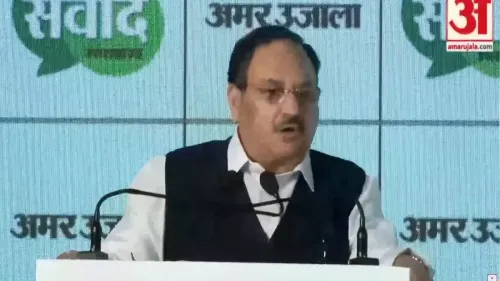
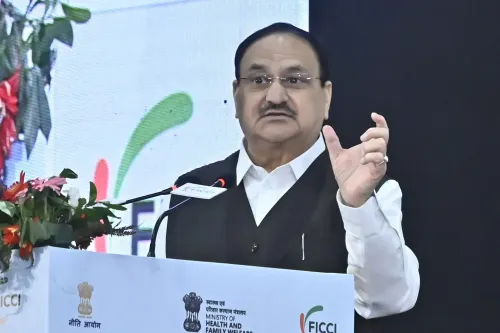
Every time a patient travels hours to reach an All India Institute of Medical Sciences for a routine ailment, the system has failed. Union Health Minister J. P. Nadda made that diagnosis explicit on Thursday, 29 October 2026, explaining the government's deliberate push to decentralise care and bring quality health services to every citizen's doorstep.
In his post, Nadda wrote: 'हमारा प्रयास रहा है कि हर छोटी-बड़ी बीमारी के लिए लोगों को सीधे एम्स न जाना पड़े' — 'Our endeavour has been that people should not have to go directly to AIIMS for every small or large illness.' He credited the National Health Policy 2017 as the policy backbone, under which primary and secondary healthcare was fortified and Ayushman Arogya Mandirs were established across the country, with a twin focus on preventive care and proximity of services.
How the 2017 policy set the blueprint
The National Health Policy 2017, approved by the Union Cabinet, marked a conscious shift in India's health philosophy — away from reactive, hospital-centred care and toward preventive, community-level services. The policy prioritised strengthening the primary and secondary tiers precisely to intercept illness before it escalates to the tertiary stage. Reducing the footfall at overloaded flagship hospitals like AIIMS was a direct, intended outcome.
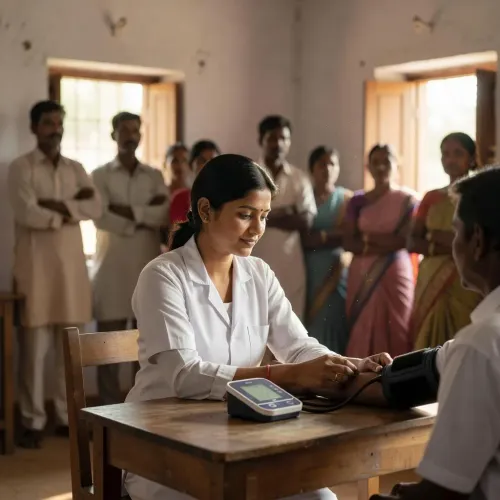
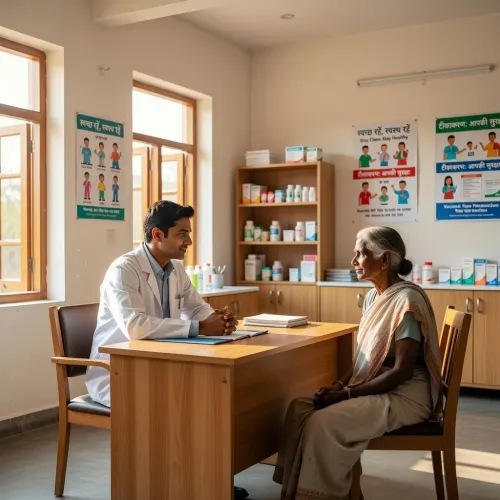
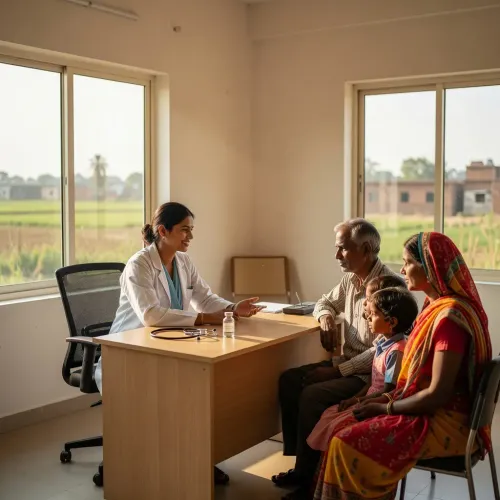
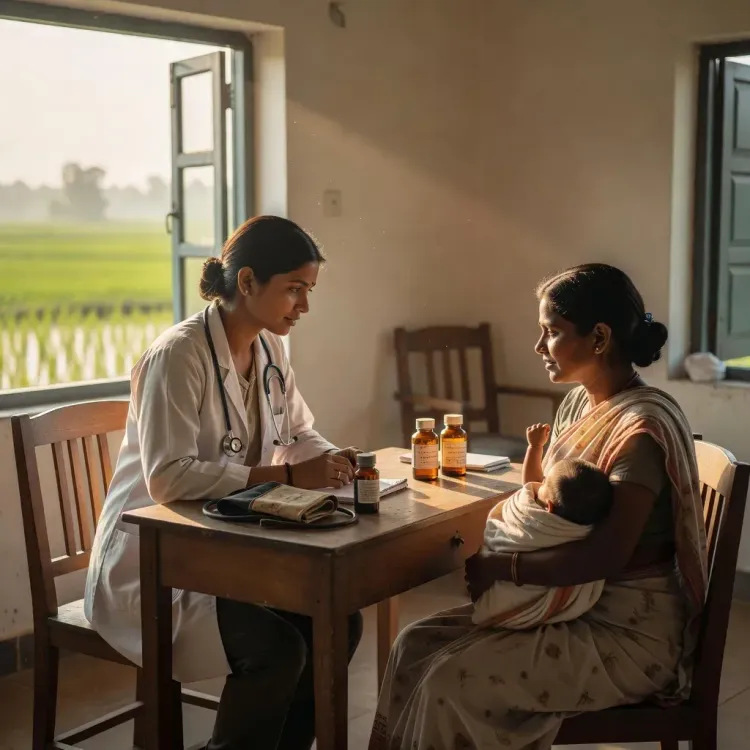
That blueprint translated into concrete infrastructure a year later. Ayushman Bharat, launched in 2018, created a network of Health and Wellness Centres — later rebranded as Ayushman Arogya Mandirs — designed to deliver preventive screenings, maternal health services, and management of non-communicable diseases at the community level, close to where people actually live.
Why proximity and prevention are the real headline
India's rising burden of non-communicable diseases — hypertension, diabetes, cancers — demands early detection, not emergency admissions. The Ayushman Arogya Mandirs model addresses both: a facility near the patient, staffed to catch problems early, before they become the kind of crisis that can only be managed at a tertiary centre. Out-of-pocket expenditure, a persistent driver of household poverty in India, drops sharply when a patient does not need to travel, take unpaid leave, or pay for specialist consultations for a condition manageable at the primary level.
Nadda's framing underscores that the AIIMS network — however world-class — cannot be the first port of call for 1.4 billion citizens. The real infrastructure play is the last-mile facility in a village or a small town, not the flagship hospital in a state capital.
Point of View
Proximity, reduced tertiary burden — he frames implementation as a structural imperative rather than a partisan achievement. The AIIMS reference is politically sharp: it signals awareness that elite institutions capture public imagination while the mass-care infrastructure stays invisible. How effectively the Ayushman Arogya Mandir network is actually reducing tertiary hospital load and out-of-pocket spending will determine whether this framing holds up to legislative and public audit.
NationPress
29 Oct 2026
Frequently Asked Questions
What are Ayushman Arogya Mandirs?
Ayushman Arogya Mandirs are community-level health facilities established under the Ayushman Bharat programme launched in 2018, originally called Health and Wellness Centres. They are designed to provide preventive and primary healthcare services close to where people live, covering screenings, maternal health, and management of non-communicable diseases.
What is the National Health Policy 2017?
The National Health Policy 2017 is a framework approved by India's Union Cabinet to guide the country's health sector toward universal coverage, with a strong emphasis on strengthening primary and secondary care rather than relying solely on tertiary hospitals.
Why does JP Nadda say people should not go to AIIMS for every illness?
Nadda argues that AIIMS and similar tertiary hospitals are overloaded because lower-tier health infrastructure has historically been weak. Ayushman Arogya Mandirs are meant to handle routine and preventive care locally, freeing AIIMS for genuinely complex cases.
How does Ayushman Bharat help reduce healthcare costs for ordinary Indians?
By placing primary care facilities closer to communities, Ayushman Bharat reduces the need for patients to travel long distances, pay for specialist consultations, or miss work, thereby lowering out-of-pocket expenditure which is a major driver of household poverty in India.
What diseases are Ayushman Arogya Mandirs meant to address?
The facilities focus on preventive screenings and early management of non-communicable diseases such as hypertension and diabetes, as well as maternal and child health services — conditions that benefit most from early, community-level intervention.