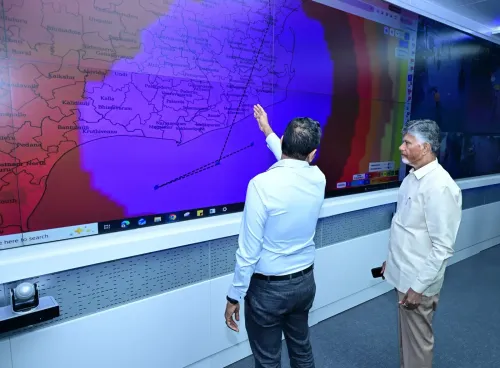
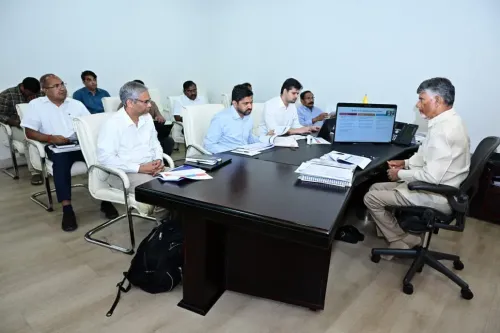
CM Chandrababu Naidu Surveys Cyclone Arnab Damage in AP
Synopsis
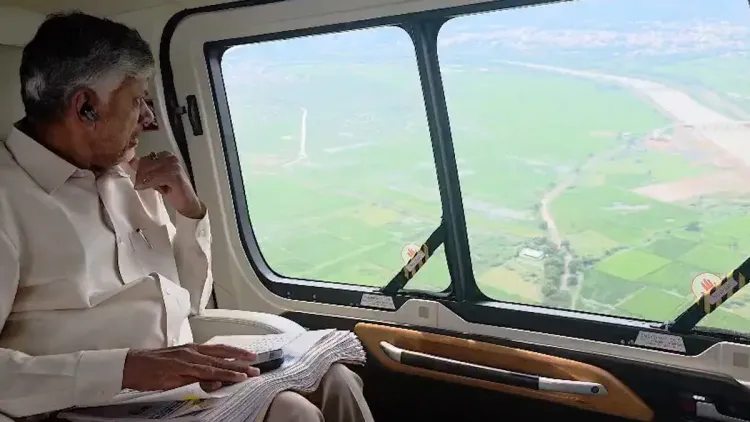
Chief Minister Nara Chandrababu Naidu conducted an aerial survey of Cyclone Arnab-hit areas in Krishna, West Godavari and Konaseema on October 29, inspecting devastated paddy fields, coconut plantations and aqua ponds across seven towns and villages.
Key Takeaways
Cyclone Arnab has caused widespread agricultural damage across coastal Andhra Pradesh as of October 29, 2026 .
Chief Minister Nara Chandrababu Naidu conducted an aerial survey over Krishna, West Godavari , and Konaseema districts.
Surveyed locations include Nimmakuru, Pamaru, Bantumilli, Narasapur, Palakollu, Amalapuram , and Katrenikonan .
Damage spans paddy fields, banana plantations, coconut orchards, and aquaculture ponds.
CM Secretary Pradyumna accompanied the Chief Minister on the inspection tour.
A state compensation package and possible coordination with New Delhi for disaster relief funds are expected to follow.
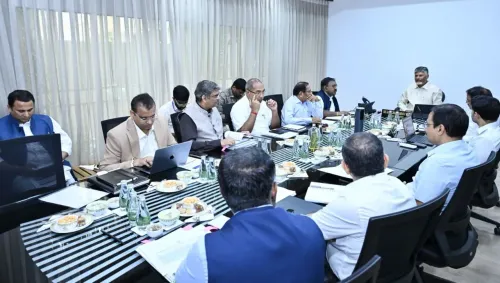
With coastal Andhra Pradesh still reeling from Cyclone Arnab, Chief Minister Nara Chandrababu Naidu took to the skies on Thursday, October 29, 2026, to personally assess the scale of destruction — paddy fields swamped, banana and coconut plantations flattened, and aqua ponds inundated across three of the state's most agriculturally vital districts. The Chief Minister's Office of Andhra Pradesh confirmed the aerial survey via an official post on X.
From the Air: What Naidu Saw Over Krishna, West Godavari and Konaseema
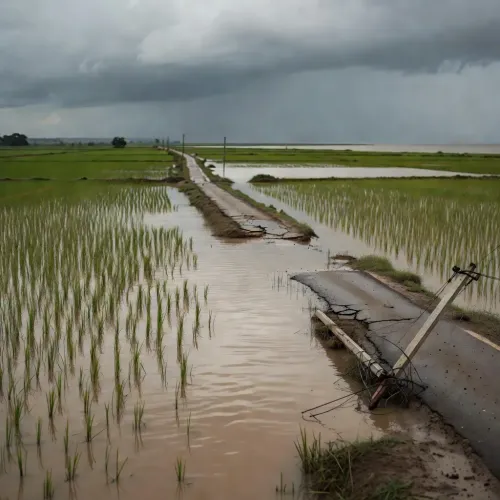
The survey covered Krishna, West Godavari, and Konaseema districts — a coastal belt that collectively anchors the state's paddy output, coconut economy, and a significant share of its aquaculture industry. From the aerial vantage, the Chief Minister observed waterlogged paddy fields, uprooted coconut trees, and damaged aqua ponds stretching across the landscape. CM Secretary Pradyumna accompanied Naidu on the tour.
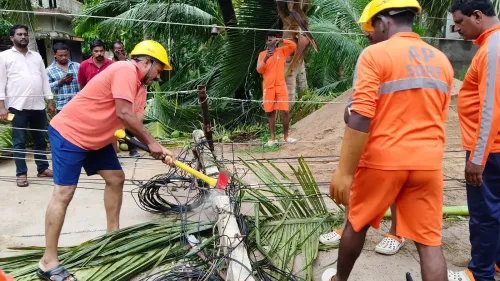
On the ground itinerary, the inspection touched Nimmakuru, Pamaru, Bantumilli, Narasapur, Palakollu, Amalapuram, and Katrenikonan — towns and villages where submerged fields and fallen coconut palms offered a stark picture of the storm's reach. These areas sit at the confluence of river delta systems and Bay of Bengal storm tracks, making them perennially exposed to cyclone damage.
A Coastline That Has Seen This Before
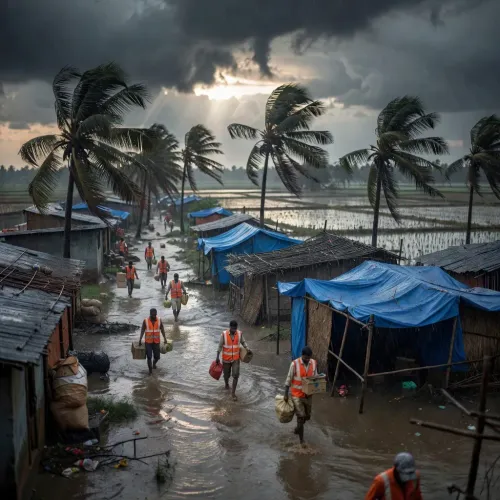
Andhra Pradesh's coastal districts face recurring cyclonic storms churning out of the Bay of Bengal, and the drill — aerial inspection, damage assessment, compensation announcement — is one the state has rehearsed before. After Cyclone Michaung in December 2023, the state government conducted similar aerial surveys of Krishna and Godavari districts before rolling out crop-loss compensation packages.
For coastal farmers and aquaculture operators, the cycle of loss and recovery is brutally familiar. Paddy crops in the pre-harvest or late-growth stage are among the most vulnerable; a single flood event can wipe out an entire season's income. Coconut plantations, which take years to mature and bear fruit, face even longer recovery arcs when trees are uprooted. Aqua ponds — stocked with shrimp and fish for export markets — can suffer stock losses that run into crores of rupees within hours of a breach.
What Comes Next: Compensation and Central Coordination
The aerial survey is typically the first step before the state tabulates district-level crop-damage reports and announces relief packages. Naidu's governments have historically paired such inspections with visible commitments on compensation timelines. The state will also likely engage New Delhi for additional funds under the National Disaster Response Fund, a route Andhra Pradesh has used after previous cyclone events.
The scale of losses across paddy, banana, coconut, and aquaculture sectors — spread across multiple districts simultaneously — will determine the size of the relief envelope. For hundreds of thousands of farming and fishing families along this coastline, the next announcement from Amaravati will matter enormously.
Aerial surveys are powerful optics, but for Andhra's coastal communities, the measure of this visit will be the speed and scale of what follows it on the ground.
Point of View
Compensation announcement second, central fund request third. The real test, as with Cyclone Michaung before it, will be whether the relief actually reaches small and marginal farmers and aquaculture operators within a credible timeframe. With multiple districts hit simultaneously, the administrative and financial bandwidth of the state will be stretched, making coordination with New Delhi not just procedural but genuinely necessary.
NationPress
29 Oct 2026
Frequently Asked Questions
Which districts were affected by Cyclone Arnab in Andhra Pradesh?
Cyclone Arnab caused significant damage in Krishna , West Godavari , and Konaseema districts of Andhra Pradesh, with paddy, banana, and coconut crops as well as aquaculture ponds among the worst-hit.
What did CM Chandrababu Naidu do after Cyclone Arnab hit?
Chief Minister Nara Chandrababu Naidu conducted an aerial survey on October 29, 2026 , flying over affected areas in Krishna, West Godavari, and Konaseema to personally assess crop and infrastructure damage.
Will farmers get compensation for Cyclone Arnab crop losses in Andhra Pradesh?
The Andhra Pradesh government is expected to announce a crop-loss compensation package following the aerial survey; after previous cyclones like Michaung, the state has distributed relief to affected farmers in coastal districts.
Which towns were specifically surveyed by Chandrababu Naidu after Cyclone Arnab?
The Chief Minister inspected Nimmakuru, Pamaru, Bantumilli, Narasapur, Palakollu, Amalapuram , and Katrenikonan , where fields were waterlogged and coconut trees uprooted.
Why is Andhra Pradesh's coast so vulnerable to cyclones?
Andhra Pradesh's long coastline faces the Bay of Bengal , a prolific cyclone basin; districts like Krishna, West Godavari, and Konaseema sit on low-lying river deltas, making them especially prone to flooding and storm damage.