CM Fadnavis orders rules for app-based cooperative taxis
Synopsis
Maharashtra Chief Minister Devendra Fadnavis has ordered officials to prepare a regulatory framework for app-based cooperative taxi services, advancing the BharatTaxi initiative that seeks to offer a worker-owned alternative to dominant private ride-hailing aggregators across cities like Mumbai and Pune.
Key Takeaways
CM Devendra Fadnavis directed officials to draft rules for app-based cooperative taxis on 3 June 2026 .
The move advances the BharatTaxi initiative as an alternative to private aggregators.
Maharashtra had earlier framed aggregator rules in 2017 under Motor Vehicles Act provisions.
Drivers and cooperative societies are positioned as primary beneficiaries.
Pilot rollouts are likely in Mumbai , Pune and other metropolitan centres.
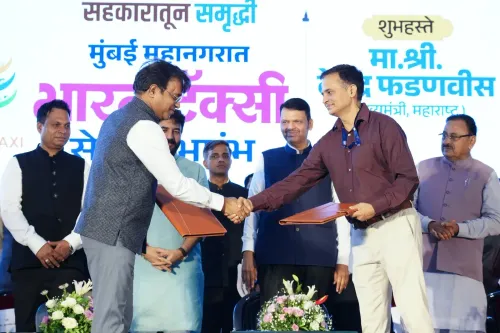
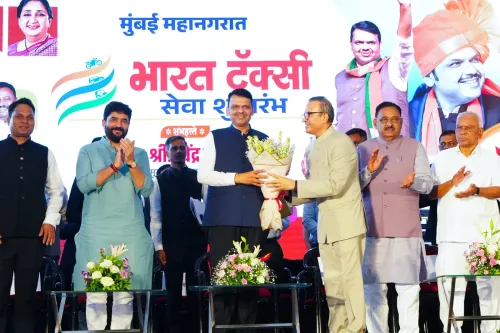
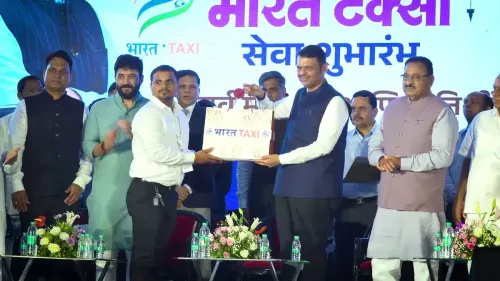
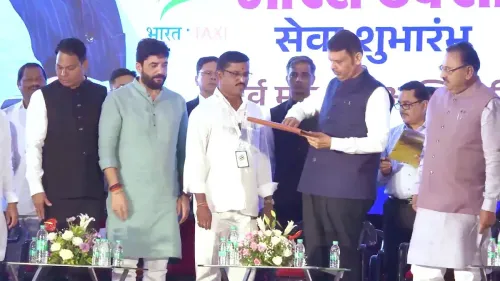
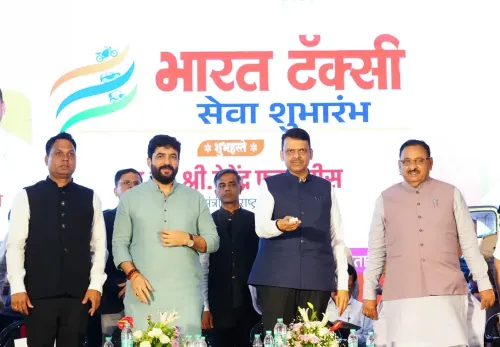
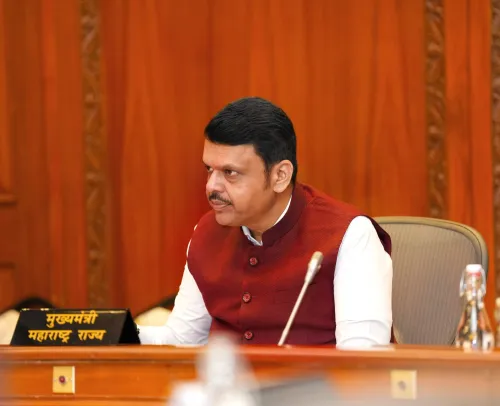
The Chief Minister's Office of Maharashtra announced on 3 June 2026 that Chief Minister Devendra Fadnavis has directed officials to prepare a regulatory framework for app-based cooperative taxi services in the state. The directive, shared on the official handle, is linked to the emerging BharatTaxi initiative that envisages worker-owned ride-hailing as an alternative to dominant private aggregators.
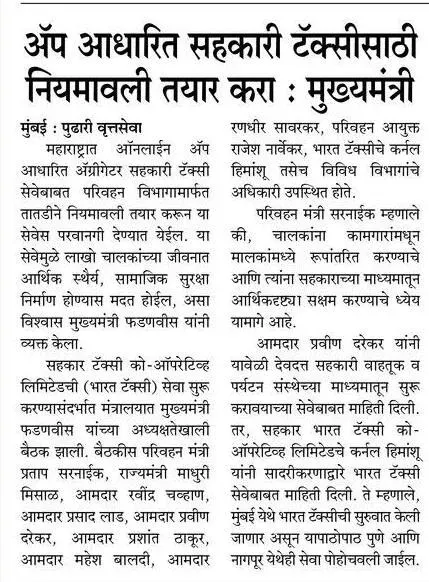
The post, originally in Marathi, reads: 'Prepare rules for app-based cooperative taxi: Chief Minister Devendra Fadnavis' (ॲप आधारित सहकारी टॅक्सीसाठी नियमावली तयार करा). The instruction signals that the state intends to formalise a cooperative model within Maharashtra's existing transport regulatory architecture.
Context
The directive comes amid sustained friction between commuters, drivers and private ride-hailing platforms over fares, commissions and working conditions. A cooperative-led app model would, in principle, allow drivers to own a stake in the platform that aggregates their rides, with surpluses flowing back to members rather than to external shareholders.
Fadnavis, who has led urban governance and infrastructure portfolios across his terms, has previously pushed for regulatory clarity in mobility. By asking officials to draft a dedicated rulebook, the Chief Minister is moving the cooperative idea from political messaging towards an enforceable licensing regime.
Policy backdrop
Maharashtra had in 2017 issued guidelines regulating app-based taxi aggregators, addressing concerns around surge pricing, permit conditions and driver onboarding for services operating in cities such as Mumbai and Pune. Those rules were framed under the broader umbrella of the Motor Vehicles Act and subsequent central aggregator guidelines.
A cooperative taxi framework would sit alongside that regime, but require distinct provisions on membership eligibility, governance of the cooperative society, technology standards for the booking app, fare-setting mechanisms and grievance redressal. Officials will likely need to harmonise rules drawn from cooperative law, transport law and information-technology regulations.
Stakeholders and impact
The most immediate beneficiaries of the proposed framework would be taxi and auto-rickshaw drivers, who have long complained about high platform commissions and opaque incentive structures. Established cooperative societies in the transport sector could find a digital pathway to scale, while new driver collectives may be encouraged to register under the upcoming rules.
Private ride-hailing aggregators will watch the framework closely for any provisions that alter the competitive landscape, including caps on commissions, data-sharing obligations or preferential treatment for cooperatives in city permits. Commuters stand to gain if competition expands service availability, though pricing outcomes will depend on the fare rules eventually notified.
What's next
The transport department is expected to circulate a draft notification detailing eligibility, technology and governance norms for cooperative taxi platforms. Pilot rollouts in metropolitan centres such as Mumbai, Pune and Nagpur will be a key signal of how quickly the model can move from paper to road.
Equally important will be the interface between the new cooperative rulebook and the existing aggregator licensing regime, including whether amendments are required to the 2017 guidelines. The pace at which the state finalises and notifies the rules will determine whether the BharatTaxi push translates into a working alternative in the urban mobility market or remains a policy intent.
Point of View
Maharashtra signals that the cooperative model will be regulated, not merely promoted. The political appeal of worker-owned mobility is significant, but execution will hinge on technology capacity and fare economics. How the new framework coexists with existing aggregator licensing will be the real test.
NationPress
17 Oct 2026
Frequently Asked Questions
What did CM Devendra Fadnavis announce about cooperative taxis?
CM Devendra Fadnavis has directed Maharashtra officials to prepare a regulatory framework for app-based cooperative taxi services, linked to the BharatTaxi initiative.
How will cooperative taxi rules differ from existing aggregator rules?
Existing rules notified in 2017 govern private aggregators on fares and permits, while the new framework is expected to address cooperative governance, membership, technology and fare-setting for driver-owned platforms.
Which cities are likely to see early rollout?
Metropolitan centres such as Mumbai, Pune and Nagpur are the most likely sites for early pilots, given their dense ride-hailing markets and existing cooperative networks.
How will private ride-hailing platforms be affected?
Private aggregators will face a regulated cooperative alternative, and the final rules may influence commissions, data norms and city permit conditions, though the exact impact will depend on the notified framework.