CM Gujarat Launches Bharat Taxi as Cooperative Mobility Drive
Synopsis
Gujarat launched Bharat Taxi on 27 June 2026, a cooperative-model ride service backed by Union Minister Amit Shah and framed as a people's movement by the Chief Minister. The initiative aims to end exploitation of drivers and passengers while extending India's cooperative sector into urban mobility under the Atmanirbhar Bharat vision.
Key Takeaways
Bharat Taxi was formally launched in Gujarat on 27 June 2026 as a cooperative-model ride service.
Union Minister Amit Shah called the day the biggest single day in India's mobility sector.
The core goal is to end exploitation of both taxi drivers and passengers and ensure driver dignity through collective ownership.
The launch is positioned as part of PM Narendra Modi 's Atmanirbhar Bharat mission and the broader cooperative expansion drive since 2021 .
The Ministry of Cooperation , created in July 2021 , and amendments to the Multi-State Cooperative Societies Act, 2002 (passed 2023 ) provided the legal foundation.
Gujarat's Chief Minister described Bharat Taxi not as a mere service but as a people's movement ( janāndolan ).
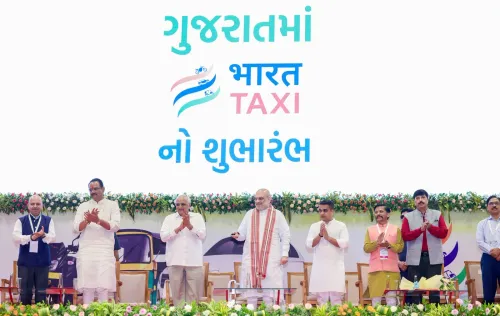
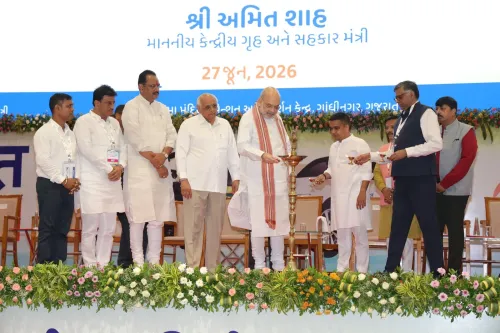
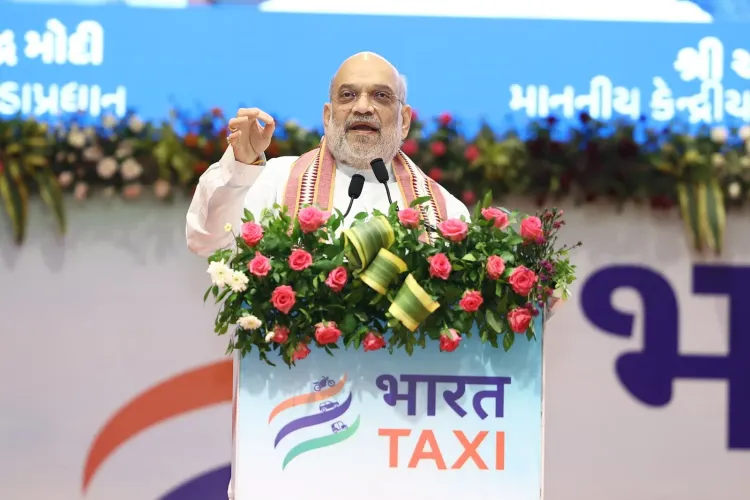
The Chief Minister's Office of Gujarat announced on Saturday, 27 June 2026 that Bharat Taxi, a cooperative-model ride service, has been formally launched in Gujarat, with Union Home and Cooperation Minister Amit Shah calling the day the single biggest in India's mobility sector.
What Was Said at the Launch
Speaking at the event, Amit Shah described the core purpose of Bharat Taxi as ending the exploitation of both drivers and passengers while restoring dignity to drivers — 'સારથીઓ અને ગ્રાહકોનું શોષણ અટકે તેમજ સારથીઓનું સન્માન જળવાઈ' ('stopping the exploitation of drivers and passengers and preserving the dignity of drivers'). He expressed the resolve to make this cooperative model a success through collective participation.
Gujarat Chief Minister Bhupendra Patel described the launch as a commitment to strengthening the Atmanirbhar Bharat mission and said Bharat Taxi should be seen not merely as a service but as a 'જનઆંદોલન' — a people's movement. He also outlined the broader benefits the service is expected to deliver to commuters and driver-members alike.
Context
The launch reflects a deliberate central-government push, under Prime Minister Narendra Modi's direction, to move the cooperative sector beyond its traditional strongholds in dairy, credit and agriculture. The Ministry of Cooperation, created in July 2021 as a standalone ministry, was specifically designed to enable cooperatives to enter new economic domains — including urban mobility.
The Chief Minister noted that Amit Shah has been working to transform cooperative societies into entities that can compete with corporate companies, and that Bharat Taxi is the clearest example of that ambition. Gujarat was chosen as the launch state, building on its dense network of existing cooperative institutions.
Policy Backdrop
The structural foundation for Bharat Taxi was laid through amendments to the Multi-State Cooperative Societies Act, 2002, passed in 2023, which improved governance, transparency and ease of doing business for cooperatives. These changes allowed cooperative entities to operate at scale in sectors previously dominated by private aggregators.
Since 2021, the Union government has extended the cooperative framework into retail, housing, health and now mobility, with the stated goal of curbing exploitation by private platforms and promoting collective ownership. The Atmanirbhar Bharat framing positions such ventures as instruments of domestic value creation and employment generation.
Stakeholders and Impact
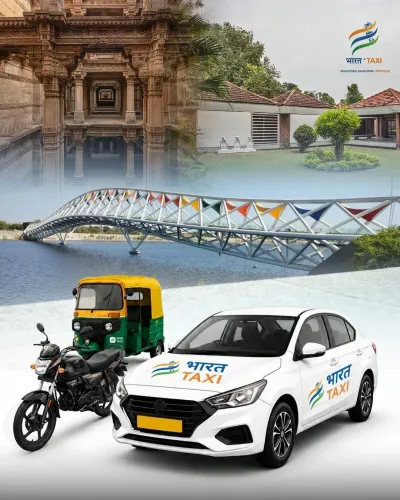
The primary beneficiaries identified at the launch are taxi drivers — referred to as sārathīs (charioteers) — who would own a stake in the cooperative rather than paying commissions to a private aggregator. Urban commuters are also cited as beneficiaries through fair, non-surge-based pricing.
Gujarat's existing cooperative ecosystem, anchored by institutions in dairy and credit, provides an organisational template for onboarding driver-members and managing the service collectively. The Chief Minister affirmed the state's commitment to giving the cooperative sector new direction through various fresh initiatives alongside this launch.
What's Next
The focus now shifts to the state-wise rollout schedule for Bharat Taxi beyond Gujarat, the regulatory framework that will govern cooperative gig platforms, and how the service performs against established private aggregators on metrics such as driver earnings and passenger fares. The success or failure of the Gujarat pilot is likely to determine the pace of expansion to other states and the depth of follow-up legislation at the central level.
Point of View
Both the Centre and the Gujarat government are signalling that the cooperative push is now a mainstream political project, not a niche agricultural policy. Choosing Gujarat as the pilot state is strategically significant: the state's deep cooperative culture provides organisational credibility, while its political alignment with the Centre ensures implementation support. The real test will be whether the model can deliver competitive earnings for drivers and reliable service for commuters without the capital firepower that private aggregators deploy.
NationPress
25 Sept 2026
Frequently Asked Questions
What is Bharat Taxi and how is it different from Ola or Uber?
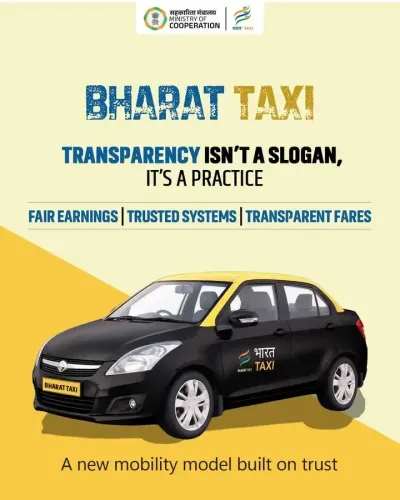
Bharat Taxi is a government-backed cooperative taxi service where drivers are co-owners rather than commission-paying contractors. Unlike private aggregators such as Ola or Uber, profits and governance are shared among driver-members, and pricing is designed to avoid surge-based exploitation of passengers.
Where was Bharat Taxi launched first?
Bharat Taxi was first launched in Gujarat on 27 June 2026 , chosen for its strong existing network of cooperative institutions in dairy and credit.
Who launched Bharat Taxi in Gujarat?
Union Home and Cooperation Minister Amit Shah presided over the launch alongside Gujarat Chief Minister Bhupendra Patel .
What is the Ministry of Cooperation and why was it created?
The Ministry of Cooperation was created in July 2021 as a dedicated ministry to modernise the cooperative sector and enable it to expand beyond traditional areas like dairy and credit into new economic domains including retail, health and now mobility.
Will Bharat Taxi expand to other states?
The Gujarat launch is a pilot. A state-wise rollout schedule has not been publicly confirmed, but the Union government's stated intent is to scale the cooperative mobility model nationally based on the Gujarat pilot's performance.