Maharashtra govt orders crackdown on app-based taxi firms over fare exploitation
Synopsis
Maharashtra has moved against app-based taxi firms after a wave of complaints about forced tips, arbitrary fare demands, and retaliatory trip cancellations. With a new Aggregator Policy on the way and the Transport Commissioner directed to investigate, this could reshape how ride-hailing platforms operate across the state — and set a precedent for other cities watching the same problem unfold.
Key Takeaways
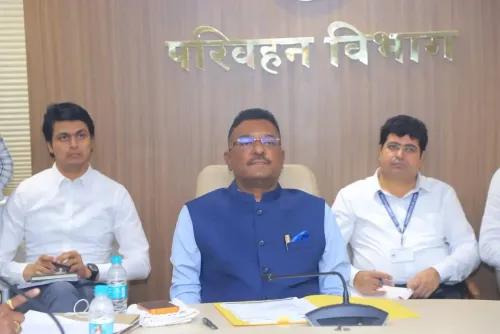
Maharashtra Transport Minister Pratap Sarnaik ordered the Transport Commissioner to take strict action against app-based taxi aggregators on 11 June 2025 .
Complaints centred on drivers demanding forced tips , extra fares, and cancelling rides when demands were refused.
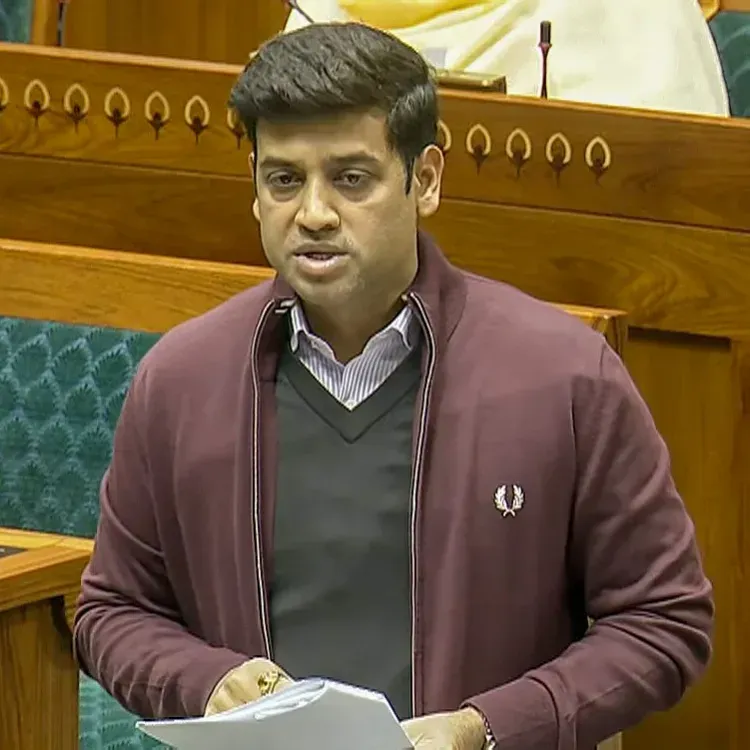
Shiv Sena MP Shrikant Shinde raised the issue on X , calling the practice a violation of consumer rights .
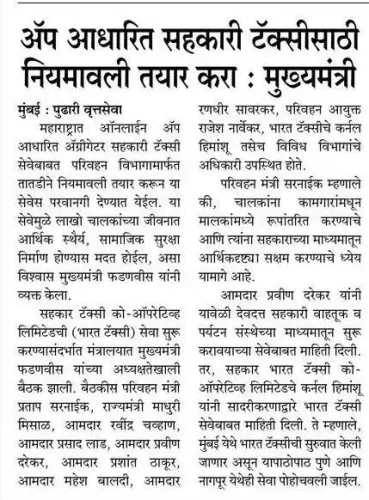
A new Aggregator Policy for the ride-hailing sector is set to be announced soon by the Transport Department.
Millions of commuters across Maharashtra are expected to benefit from the proposed regulatory overhaul.
The Maharashtra government on Thursday, 11 June ordered strict action against app-based taxi and ride-hailing companies following a surge in passenger complaints over forced tips, arbitrary fare hikes, and deliberate trip cancellations. State Transport Minister Pratap Sarnaik directed the Transport Commissioner to investigate aggregator companies and initiate stringent proceedings against those found violating consumer rights.
What Triggered the Action
Shiv Sena MP Shrikant Shinde raised the issue sharply, flagging a pattern of driver misconduct that had drawn widespread complaints from commuters across the state. Instances reported included drivers demanding additional tips or extra money after accepting a ride, cancelling trips when those demands were refused, and causing mental distress to passengers — particularly during emergencies when alternatives were scarce.
Shinde took to X (formerly Twitter) to urge the Transport Minister to act, calling the practice a direct violation of consumer rights. "This is not just a flawed business practice, but it amounts to literally holding consumers hostage," he stated in his post.
What the Government Has Directed
Minister Sarnaik declared that forcing passengers to pay tips is "completely unjust" and confirmed that the Transport Department has been instructed to probe the operations of the concerned aggregator companies. He emphasised that a new Aggregator Policy for the app-based taxi sector will be announced soon, signalling a broader regulatory overhaul rather than a one-off enforcement action.
Sarnaik further noted that while a voluntary tip reflects appreciation for good service, pressuring customers under threat of cancellation or causing mental distress is entirely unacceptable and will not be tolerated.
Scale of the Problem
Complaints against app-based taxi services have risen significantly in recent days, with commuters reporting a range of exploitative practices. The pattern — drivers accepting rides and then demanding supplementary payments before completing them — has been particularly acute during peak hours and emergencies, when passengers have limited recourse. This is not an isolated phenomenon; similar complaints have surfaced in other major Indian cities, pointing to a structural gap in how aggregator platforms monitor driver behaviour.
What Comes Next
The Transport Commissioner is expected to launch formal investigations into the operations of the implicated companies. The forthcoming Aggregator Policy is anticipated to introduce mandatory transparency standards, clearer fare structures, and accountability mechanisms for platform operators. Millions of daily commuters in Mumbai and across Maharashtra stand to benefit if the policy delivers enforceable protections — but the timeline for its rollout has not yet been specified.
Point of View
But the real test is whether the promised Aggregator Policy produces enforceable rules or becomes another unimplemented directive. App-based taxi platforms have long operated in a regulatory grey zone — holding a transport licence while outsourcing driver conduct to algorithmic incentives that quietly reward tip-extraction. Shinde's social-media push is politically effective, but consumer protection requires a statutory framework with penalties that hurt platforms, not just drivers. The absence of a rollout timeline for the new policy is the first red flag to watch.
NationPress
26 Oct 2026
Frequently Asked Questions
Why has the Maharashtra government ordered action against app-based taxi companies?
The Maharashtra government acted after a surge in passenger complaints about drivers demanding forced tips, levying extra fares, and cancelling rides when those demands were not met. Transport Minister Pratap Sarnaik called the practices unjust and directed the Transport Commissioner to investigate and take stringent action.
Which companies are being investigated?
The government has directed the Transport Commissioner to probe the operations of app-based taxi and ride-hailing aggregator companies operating in Maharashtra. Specific company names have not been publicly identified in the official announcement.
What is the new Aggregator Policy that Maharashtra plans to introduce?
The Maharashtra Transport Department has announced it will soon unveil a new Aggregator Policy for the ride-hailing sector. It is expected to introduce mandatory transparency standards, fair fare structures, and accountability mechanisms for platform operators, though a specific rollout timeline has not been disclosed.
Who raised the issue and how?
Shiv Sena MP Shrikant Shinde raised the issue via a post on X, urging Transport Minister Pratap Sarnaik to crack down on exploitative practices. Shinde argued that forcing passengers to pay extra or cancelling rides as leverage amounts to holding consumers hostage.
How does this affect commuters in Maharashtra?
Millions of daily commuters who rely on app-based taxis in Mumbai and across Maharashtra are directly affected. The government's intervention is intended to ensure transparent, fair, and safe service — and the forthcoming Aggregator Policy could provide lasting legal protections if implemented effectively.