Maharashtra aggregator firms must register by Sep 1 or face action
Synopsis
Maharashtra has drawn a hard line: ride-hailing aggregators — cabs, auto-rickshaws, bike-taxis — must register with the Transport Department by 1 September 2026 or face legal action. The crackdown closes a long-running regulatory gap that allowed private vehicles to operate commercially without permits, insurance, or safety audits, affecting millions of daily commuters across the state.
Key Takeaways
Transport Minister Pratap Sarnaik set a 1 September 2026 deadline for all ride-hailing aggregators to register with Maharashtra's Transport Department .
Non-compliant aggregator companies and unregistered vehicles face severe legal action after the deadline.
All affiliated vehicles must hold valid commercial registration , a fitness certificate , a permit , and insurance coverage .
In-app SOS emergency safety features are mandatory under the policy.
The policy follows a Central Government amendment to the Motor Vehicles Act recognising aggregators as digital intermediaries.
Prior to enforcement, Maharashtra faced legal disputes over unauthorised bike-taxis and white-board vehicles operating commercially without proper permits.
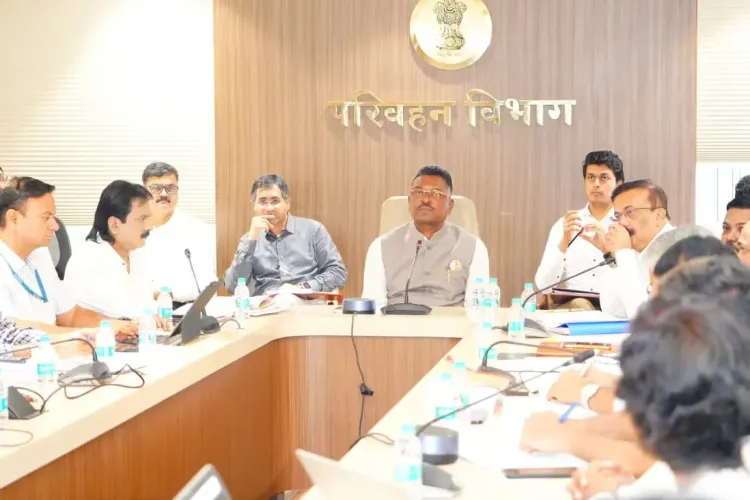
Maharashtra Transport Minister Pratap Sarnaik on Thursday issued a firm warning to all ride-hailing aggregator companies operating in the state: complete mandatory registration with the Transport Department by 1 September 2026 or face severe legal consequences. The directive comes as the state moves to strictly enforce its Aggregator Policy, aimed at bringing accountability, safety, and regulatory oversight to app-based passenger transport used by millions of commuters daily across Maharashtra.
What the Aggregator Policy Mandates
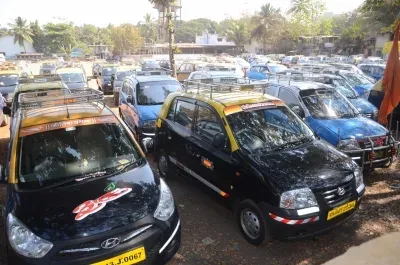
Under the policy, all cab, auto-rickshaw, and bike-taxi aggregators must obtain a valid licence from the Transport Department to continue operations. Every vehicle linked to an aggregator — whether a two-wheeler, three-wheeler, or four-wheeler — must carry valid commercial registration, a fitness certificate, and the requisite permit. Private or non-commercial vehicles are strictly barred from ferrying passengers for commercial gain.
Aggregators are also legally required to ensure all affiliated vehicles hold valid insurance coverage and that in-app emergency safety systems, such as SOS response features, are fully operational at all times.
What the Minister Said
'While the government supports leveraging technology to provide superior commuting facilities to citizens, no compromise on passenger safety or violation of law will be tolerated under the guise of convenience,' Minister Sarnaik stated. He urged companies not to wait until the last moment, advising all platforms to complete documentation and submit registration applications well ahead of the 1 September deadline.
Sarnaik also underscored the need to define vehicle validity standards, driver qualifications, and company obligations as essential pillars of public safety.
Background and Legal Context
The push for strict enforcement follows the Central Government's amendment to the Motor Vehicles Act, which formally recognised 'Aggregators' as digital intermediaries and required state governments to issue specific operational guidelines. Prior to the policy, Maharashtra faced significant legal disputes over unauthorised bike-taxis and private vehicles — commonly known as white-board vehicles — offering commercial rides through mobile apps without proper commercial permits, passenger insurance, or safety audits.
This is not merely an administrative exercise. The mandatory registration framework is designed to curb surge-pricing abuses, guarantee verified driver credentials, enforce background checks, and provide passengers with structured grievance redressal mechanisms mandated by the state.
Impact on Commuters and Industry
App-based transport services in Maharashtra are utilised by millions of commuters every day, making the stakes high for both riders and platform companies. The policy positions passengers as the cornerstone of public transport, entitling them to safe, lawful, and reliable services. Non-compliant aggregator companies and any unregistered vehicles operating under them will face severe legal action after the deadline lapses.
With the 1 September 2026 deadline now firmly in place, the coming weeks will test how swiftly major ride-hailing platforms — and smaller regional operators — move to align with Maharashtra's regulatory framework.
Point of View
Exposing millions of commuters to uninsured, unverified rides. The September 1 deadline is firm on paper, but enforcement is where past state transport directives have repeatedly stumbled. The real question is whether Maharashtra has the inspection infrastructure and political will to act against large platforms with significant user bases — or whether this becomes another deadline that quietly slips. The Central Government's Motor Vehicles Act amendment gives the state clear legal backing; what it does with that backing will define whether this policy is a genuine safety overhaul or another compliance theatre.
NationPress
14 Sept 2026
Frequently Asked Questions
What is Maharashtra's Aggregator Policy and who does it apply to?
Maharashtra's Aggregator Policy requires all app-based ride-hailing platforms — covering cab, auto-rickshaw, and bike-taxi aggregators — to obtain a valid licence from the state's Transport Department to operate legally. It mandates that all affiliated vehicles carry commercial registration, fitness certificates, permits, and insurance, and that in-app SOS safety features are operational.
What is the registration deadline for aggregators in Maharashtra?
All ride-hailing aggregators operating in Maharashtra must complete their registration with the Transport Department by 1 September 2026. Transport Minister Pratap Sarnaik has urged companies to submit applications well before the deadline rather than waiting until the last moment.
What happens if aggregators fail to register by September 1, 2026?
Non-compliant aggregator companies and any unregistered vehicles operating under them will face severe legal action after the 1 September 2026 deadline. The state government has made clear that no exceptions will be made under the guise of convenience.
Why is Maharashtra enforcing this policy now?
The enforcement follows the Central Government's amendment to the Motor Vehicles Act, which formally recognised aggregators as digital intermediaries and required states to issue operational guidelines. Maharashtra had also faced prolonged legal disputes over unauthorised bike-taxis and private vehicles offering commercial rides without permits, insurance, or safety audits.
How does this policy protect passengers?
The policy mandates verified driver credentials, mandatory background checks, valid insurance for all affiliated vehicles, in-app SOS emergency features, and structured grievance redressal mechanisms. It also aims to curb surge-pricing abuses and bar private or non-commercial vehicles from carrying passengers for commercial gain.