Athawale opposes Marathi mandate for auto, taxi drivers in Maharashtra
Synopsis
A ruling coalition partner breaking ranks is the real story here. Ramdas Athawale's open opposition to Maharashtra's Marathi-proficiency mandate for auto and taxi drivers exposes a fault line within the Mahayuti alliance — pitting language-identity politics against the livelihood realities of lakhs of migrant transport workers in Mumbai.
Key Takeaways
Union Minister Ramdas Athawale on 14 July opposed Maharashtra's order making Marathi mandatory for autorickshaw and taxi drivers.
Transport Minister Pratap Sarnaik announced on 12 July that licences will be cancelled for drivers without functional Marathi knowledge.
Under the Maharashtra Motor Vehicles (Amendment) Rules, 2026 , non-compliant drivers first receive a one-month notice , then face up to three months' suspension , followed by permanent cancellation .
Athawale noted that an average auto driver earns around ₹20,000 a month and argued immediate punitive action is unjust.
The mandate revives a dormant 1989 rule that was not previously enforced.
Athawale claimed 80 per cent of non-Marathi speakers in Maharashtra already have working knowledge of the language.
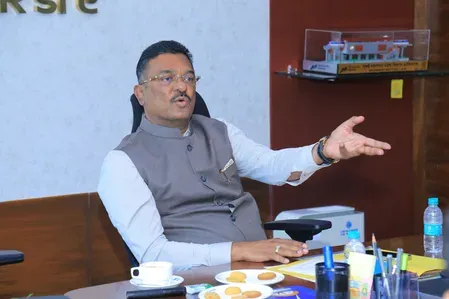
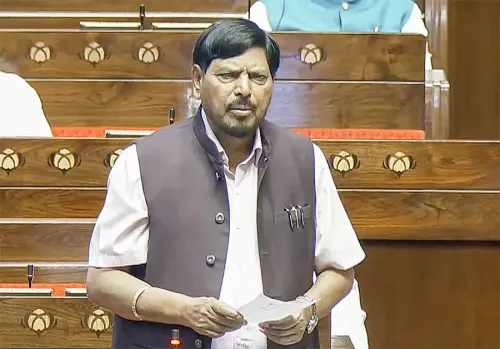
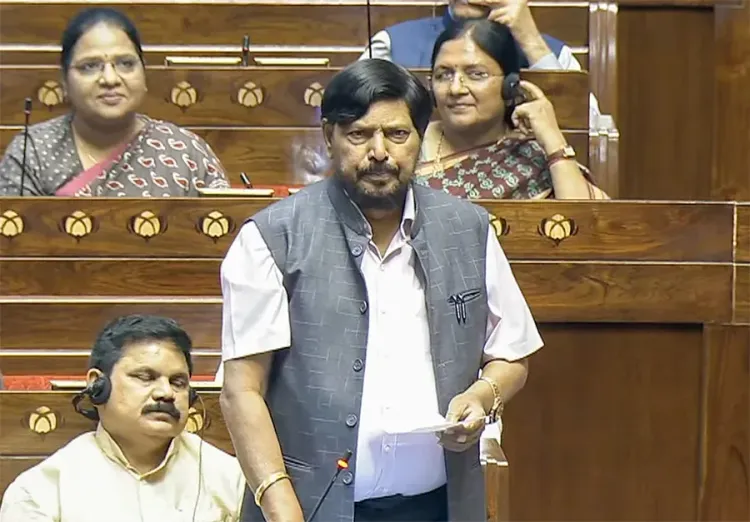
Union Minister and Republican Party of India (A) chief Ramdas Athawale on Friday, 14 July pushed back against the Maharashtra government's decision to make Marathi proficiency mandatory for autorickshaw and taxi drivers, warning that the move risks inflaming language-based tensions in the state's commercial capital.
What Athawale Said
Athawale argued that Mumbai, as India's economic capital, draws workers from every part of the country and that penalising them for not speaking Marathi is counterproductive. 'I think Mumbai is a city that is the economic capital of India. People from every corner of the country come here and find employment and earn a livelihood,' he said. 'So, I think creating a Hindi-Marathi dispute is absolutely not right.'
While conceding that residents of Maharashtra should ideally learn Marathi, the Union Minister drew a distinction between encouragement and punitive enforcement. 'But taking immediate action against someone who does not know Marathi is not right. An auto-rickshaw driver is an ordinary working person. He is a labourer who earns around ₹20,000 a month by driving an auto-rickshaw,' he said.
Athawale also acknowledged Transport Minister Pratap Sarnaik's offer to arrange Marathi classes for drivers, but insisted that permit cancellation is too harsh a penalty. 'Many of the drivers are learning Marathi but cancelling their permit is not right. They should be given more time,' he added. He further claimed that 80 per cent of non-Marathi speakers in Maharashtra can already converse in the language.
The Government's Marathi Mandate
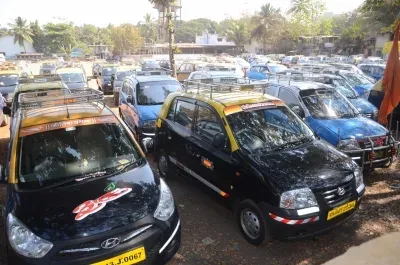
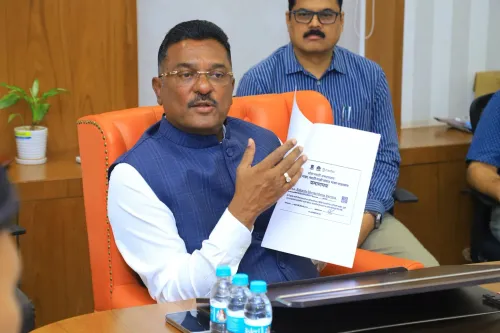
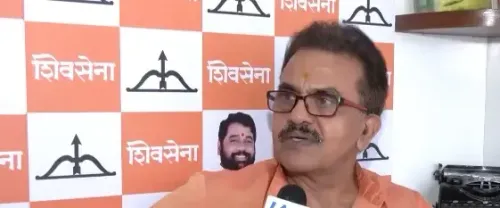
Maharashtra Transport Minister Pratap Sarnaik announced on Wednesday, 12 July that autorickshaw and taxi drivers across the state will face licence cancellation if they cannot demonstrate functional knowledge of Marathi. The state government subsequently issued an official Government Resolution (GR) enforcing the Maharashtra Motor Vehicles (Amendment) Rules, 2026 under the Motor Vehicles Act, 1988.
Under the amended rules, drivers found lacking in Marathi speaking skills will first receive a one-month notice. Failure to comply within that period will result in a suspension of up to three months. Continued non-compliance after the suspension will lead to permanent cancellation of the driving licence. The Law and Judiciary Department has already cleared the proposal submitted by the Transport Department to enable legal enforcement.
Historical Context of the Rule
Minister Sarnaik clarified that the mandate is not entirely new — it is rooted in a 1989 rule that had not been strictly enforced by officials in the past. The current government's move essentially activates a dormant provision, giving it renewed legal teeth through the 2026 amendment. This comes amid a broader push by the ruling Mahayuti alliance to assert Marathi identity in the state, a politically sensitive subject in a city where migrant workers form a significant share of the transport workforce.
What Happens Next
With Athawale — a coalition partner within the Mahayuti alliance — publicly opposing the move, the decision could face internal pressure. The government has not yet indicated whether it will revise the timeline or soften the penalties. Drivers' unions are expected to mount a formal response, and the debate over language rights versus livelihood security is likely to intensify in the weeks ahead.
Point of View
And for whom? The answer likely lies in electoral arithmetic around Marathi identity rather than any genuine passenger-service concern. Penalising migrant transport workers — who earn roughly ₹20,000 a month and are among Mumbai's most economically precarious — without a credible, adequately funded language-training pipeline risks being punitive in practice even if benign in stated intent. If the government cannot demonstrate that Marathi classes are accessible, free, and time-flexible for shift workers, the 'we offered training' defence will ring hollow.
NationPress
29 Sept 2026
Frequently Asked Questions
What is Maharashtra's new Marathi language rule for auto and taxi drivers?
The Maharashtra government has enforced the Maharashtra Motor Vehicles (Amendment) Rules, 2026, requiring autorickshaw and taxi drivers to have functional knowledge of Marathi. Drivers who fail to comply will first receive a one-month notice, then face a suspension of up to three months, and ultimately permanent licence cancellation for continued non-compliance.
Why did Ramdas Athawale oppose the Marathi mandate?
Athawale argued that Mumbai, as India's economic capital, draws workers from across the country and that penalising them for not speaking Marathi risks creating a Hindi-Marathi dispute. He also stressed that auto drivers are low-income workers earning around ₹20,000 a month and should be given more time to learn the language rather than face immediate punitive action.
Is the Marathi language rule for drivers entirely new?
No. Transport Minister Pratap Sarnaik clarified that the mandate is rooted in a 1989 rule that was not strictly enforced in the past. The Maharashtra Motor Vehicles (Amendment) Rules, 2026 effectively activate this dormant provision with legal enforcement backing.
What happens to a driver who does not know Marathi under the new rule?
Under the amended regulations, a non-compliant driver first receives a one-month notice to acquire Marathi proficiency. Failure to comply leads to a licence suspension of up to three months. If the driver still does not comply after the suspension, their driving licence is permanently cancelled.
Who is affected by the Maharashtra Marathi mandate for transport workers?
The rule applies to all autorickshaw and taxi drivers operating across Maharashtra. It primarily affects non-Marathi-speaking migrant workers — a significant portion of Mumbai's transport workforce — who may need time and resources to acquire functional Marathi-language skills.