CM Fadnavis Chairs Meeting on Maharashtra Motor Vehicle Aggregator Rules 2026
Synopsis
Chief Minister Devendra Fadnavis chaired a high-level meeting at Varsha Bungalow, Mumbai on 29 October 2026 to deliberate on the Maharashtra Motor Vehicle Aggregator Rules, 2026, joined by Minister Pratap Sarnaik and senior officials, as Maharashtra advances state-specific regulation of app-based ride-hailing platforms.
Key Takeaways
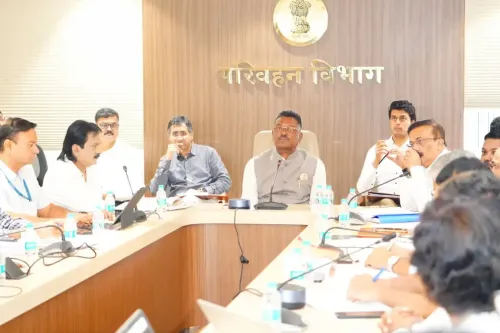
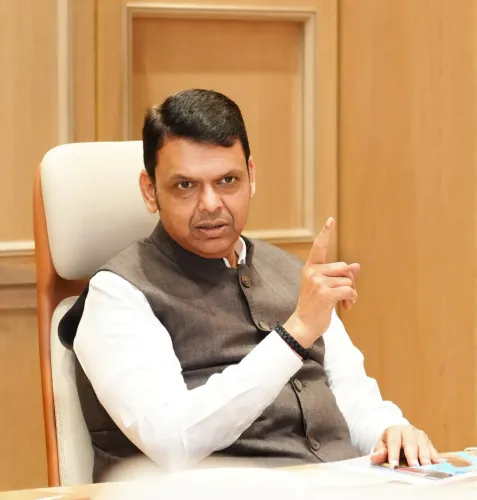
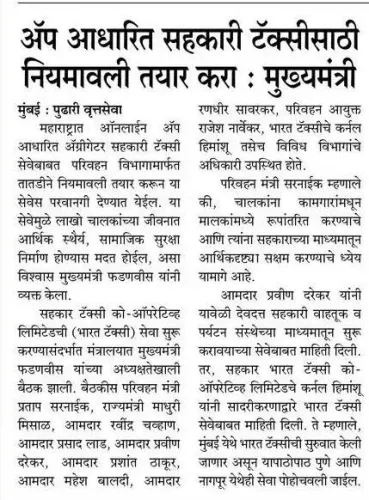
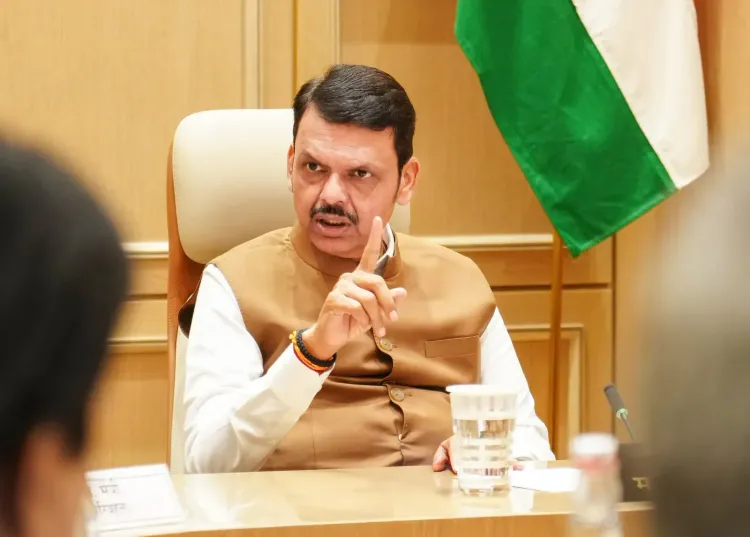
CM Devendra Fadnavis personally chaired the meeting on Maharashtra Motor Vehicle Aggregator Rules, 2026 at Varsha Bungalow, Mumbai on 29 October 2026 .
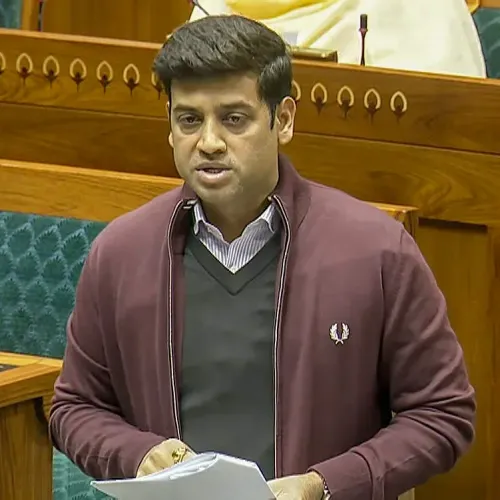
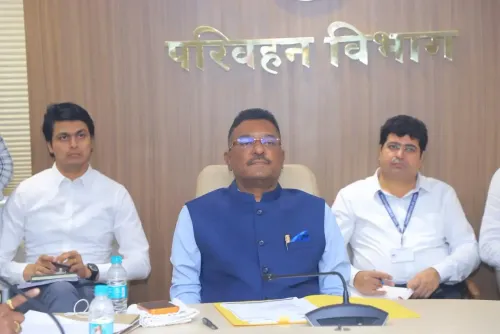
Minister Pratap Sarnaik and senior state officials attended, indicating cross-departmental ownership of the exercise.
The rules are Maharashtra's state-level response to the Central Motor Vehicles Aggregator Guidelines, 2020 issued by the Ministry of Road Transport and Highways.
The framework is expected to cover driver welfare, fare regulation, licensing conditions, and data-sharing obligations for platforms operating in Maharashtra.
The specific provisions discussed in the 29 October meeting have not been made public; the next key milestone is formal notification by the transport department.
Maharashtra's rules could serve as a model for other Indian states regulating app-based ride-hailing at the state level.
The rules that govern every ride you book on an app in Maharashtra moved a step closer to being rewritten. Chief Minister Devendra Fadnavis chaired a dedicated meeting on the Maharashtra Motor Vehicle Aggregator Rules, 2026 at Varsha Bungalow, Mumbai, at 12:30 pm on 29 October 2026, with Minister Pratap Sarnaik and senior state officials in the room.
What the 2026 rules are trying to fix
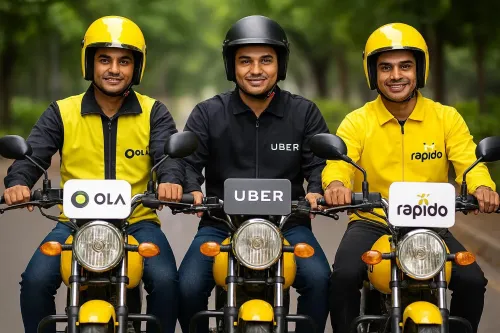
India's central government laid the groundwork back in 2020, when the Ministry of Road Transport and Highways issued the Central Motor Vehicles Aggregator Guidelines — a framework nudging states to license and regulate app-based ride-hailing platforms operating within their borders. That framework set the table; state-level rules are the actual meal. Maharashtra's exercise is now part of a nationwide wave: multiple states have moved to frame or update their own aggregator rules to cover driver welfare protections, fare regulation, licensing conditions, and data-sharing obligations for platforms like Ola, Uber, and Rapido.
Maharashtra, home to Mumbai — India's most ride-hail-dense city — has particular stakes in getting this right. Millions of daily commuters, hundreds of thousands of gig drivers, and several billion-dollar platforms all operate in the state's jurisdiction. The 2026 rules, once notified, would set the operational terms for all of them.
Sarnaik's role and the regulatory machinery
Pratap Sarnaik, whose ministerial brief covers the transport sector, was present alongside the senior bureaucrats who will draft and operationalise the final rules. The meeting at Varsha Bungalow — the Chief Minister's official residence — signals that this is a CM-level priority, not a routine departmental exercise left to officials alone.
The specific provisions discussed on 29 October have not been made public. What is clear is that the state is in active deliberation mode, and the next milestone to watch is the formal notification of the rules by the transport department — potentially accompanied by stakeholder consultations with aggregator companies, driver unions, and commuter groups before enforcement begins.
Maharashtra's final framework could set a template other large states watch closely. When a state this size moves, the whole industry pays attention.
Point of View
Maharashtra appears to be making a concerted push to fill that gap. With Mumbai being the single largest market for ride-hailing platforms in India, the rules the state eventually notifies will carry outsized commercial and policy weight. The involvement of Minister Sarnaik alongside CM Fadnavis also suggests the government is preparing for stakeholder pushback and wants political cover baked in from the top.
NationPress
29 Oct 2026
Frequently Asked Questions
What are the Maharashtra Motor Vehicle Aggregator Rules 2026?
They are proposed state-level regulations governing app-based ride-hailing and transport aggregator services operating in Maharashtra, covering areas such as licensing, driver welfare, fare regulation, and data sharing.
Why is Maharashtra framing its own aggregator rules when central guidelines already exist?
The Central Motor Vehicles Aggregator Guidelines of 2020 provided a broad framework but left states responsible for enacting their own operational rules; Maharashtra's 2026 exercise is its state-specific implementation of that mandate.
Who attended the 29 October 2026 meeting on aggregator rules in Maharashtra?
Chief Minister Devendra Fadnavis chaired the meeting at Varsha Bungalow, Mumbai, attended by Minister Pratap Sarnaik and senior state officials.
When will Maharashtra's new ride-hailing aggregator rules come into effect?
No formal notification date has been announced; the next step is the transport department officially notifying the rules, potentially after stakeholder consultations with aggregator companies, driver unions, and commuter groups.
How do aggregator rules affect Ola, Uber, and Rapido drivers in Maharashtra?
State aggregator rules typically set licensing conditions for platforms, minimum earnings protections for drivers, fare-setting mechanisms, and data-sharing requirements — all of which directly affect how these companies operate and what drivers earn in the state.