Baba Ramdev: Sanatan Dharma is India's soul, Vedas reject caste bias
Synopsis
At a major religious conference in Haridwar, Baba Ramdev declared Sanatan Dharma the soul of India, flatly rejected caste discrimination as alien to the Vedas, and announced a multi-sect scholarly committee to investigate what he described as Mughal- and British-era alterations to Hindu scriptures — a move that could intensify India's already charged debate over religious identity and historical interpretation.
Key Takeaways
Baba Ramdev addressed the All India Ancient Knowledge Conference in Haridwar on 29 October 2026 .
He described Sanatan Dharma as India's cultural, spiritual and philosophical foundation.
Ramdev asserted the Vedas contain no sanction for caste, gender or any discrimination among human beings.
He reinterpreted the four varnas as aspects of a single individual, not competing social groups.
A committee of scholars, gurus and saints is to be constituted to examine alleged interpolations in Hindu scriptures during the Mughal and British periods.
Ramdev called on citizens to set aside caste and political differences and focus on strengthening India's economy , GDP and military power .
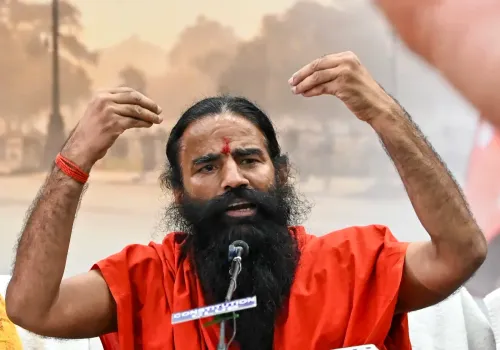
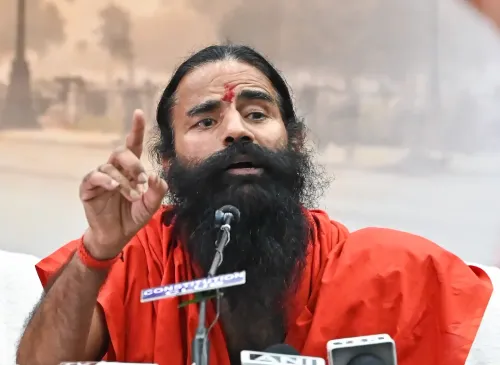
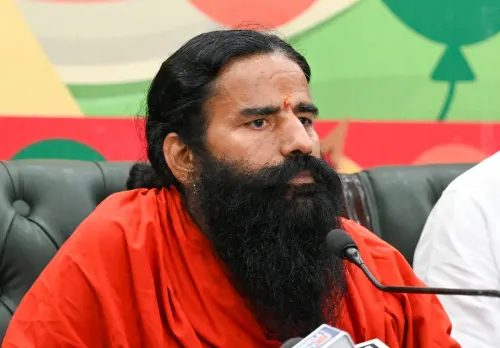
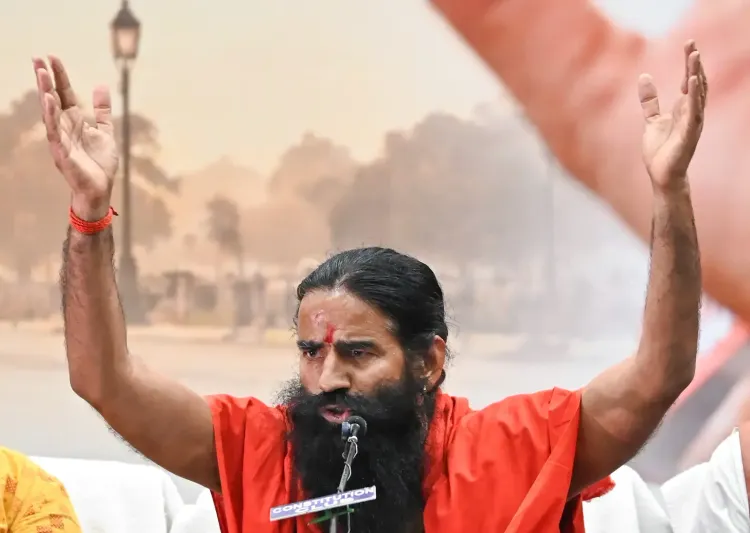
Yoga guru Baba Ramdev on Thursday, 29 October described Sanatan Dharma as India's philosophical and spiritual foundation, asserting that the Vedas contain no sanction for caste discrimination, gender inequality or divisions among living beings. Speaking at the All India Ancient Knowledge Conference in Haridwar, he also announced plans to constitute a large committee of scholars, religious authorities and saints to examine what he called interpolations and misinterpretations in Hindu scriptures introduced during the Mughal and British periods.
Sanatan Dharma as National Identity
Ramdev argued that Sanatan Dharma was not merely a religious tradition but the country's cultural and civilisational bedrock. He said it possessed the capacity to guide India toward economic strength, scientific advancement and national development, and called for drawing on India's traditional knowledge while adopting a scientific outlook.
'Sanatan Dharma is the soul of this country. Every country has a fundamental ideological and philosophical foundation, and Sanatan Dharma is the soul of India,' he said. He went further, warning that those who attack Sanatan Dharma were, in his words, 'cultural and religious terrorists,' and vowed that such attacks would no longer be tolerated. He also said people who criticised Hindu scriptures without understanding their underlying teachings would face legal action.
Ramdev's Reinterpretation of Caste and the Varna System
On the question of caste, Ramdev presented what he described as the original Vedic understanding of the four varnas — Brahmin, Kshatriya, Vaishya and Shudra. He argued these should not be seen as separate or competing social groups but as different aspects of a single human being, each symbolising interconnectedness rather than hierarchy.
He elaborated that the head symbolised the Brahmin, the arms the Kshatriya, the thighs the Vaishya and the feet the Shudra — and that all four varnas existed within every individual. Citing the Vedas, Upanishads, Ramayana, Mahabharata and Puranas, he reiterated that these scriptures sanctioned no discrimination based on caste, gender or any distinction between living beings and the material world.
Proposed Committee to Address Scriptural Alterations
Ramdev alleged that several Sanatan scriptures had been altered during the Mughal and British periods. He said a large committee — comprising scholars, leading religious authorities, gurus and saints from different sects and traditions — would be constituted to examine these alleged interpolations and incorrect interpretations.
The proposed committee, he said, would work toward presenting what he called the 'purest form' of Sanatan Dharma to audiences in India and abroad. He argued that a comprehensive understanding of the tradition was essential to prevent fragmented interpretations of its teachings from gaining currency.
Call for National Unity and Economic Strength
Ramdev also used the platform to call for national cohesion around economic and strategic goals. He urged citizens to set aside caste divisions, social hierarchies and political differences, framing unity as a prerequisite for India's global standing.
'If India is to stand with dignity before the entire world, all citizens must set aside caste divisions, social hierarchies and political differences and focus on how to make the Indian currency the strongest in the world,' he said. He called for strengthening India's economy, GDP, growth rate, scientific capabilities and military power at three levels: individual action, collective social participation and government policy.
The conference, held in Haridwar, brought together voices from religious and scholarly circles to discuss India's ancient knowledge systems. Ramdev's remarks reflect a broader public debate in India over the interpretation of Hindu scriptures, caste identity and national culture — a conversation that shows no sign of easing.
Point of View
But its delivery at a high-profile national conference gives it fresh political weight at a moment when caste identity is a live electoral fault line. The proposed scriptural committee is potentially significant — or potentially performative; much depends on its composition, mandate and whether its findings carry any institutional authority. What mainstream coverage tends to underplay is the legal-action warning for critics of Hindu scriptures: in an environment where sedition and hate-speech laws are frequently invoked, that line deserves scrutiny beyond the religious debate it is embedded in.
NationPress
29 Oct 2026
Frequently Asked Questions
What did Baba Ramdev say about Sanatan Dharma at the Haridwar conference?
Ramdev described Sanatan Dharma as India's cultural, spiritual and philosophical foundation — not merely a religious tradition — and said it could guide the country toward economic strength and national development. He made these remarks at the All India Ancient Knowledge Conference in Haridwar on 29 October 2026.
Did Ramdev say the Vedas support caste discrimination?
No. Ramdev explicitly stated that the Vedas contain no discrimination based on caste, gender or distinctions among living beings. He reinterpreted the four varnas — Brahmin, Kshatriya, Vaishya and Shudra — as symbolic aspects of a single human being, arguing they represent interconnectedness rather than social hierarchy.
What is the committee Ramdev announced, and what will it do?
Ramdev announced the formation of a large committee comprising scholars, senior religious authorities, gurus and saints from different sects and traditions to examine alleged interpolations and misinterpretations in Hindu scriptures. He claimed several texts had been altered during the Mughal and British periods, and said the committee would work to present what he called the purest form of Sanatan Dharma.
What did Ramdev say about critics of Hindu scriptures?
Ramdev warned that people who criticised Hindu scriptures and India's historical traditions without understanding their underlying teachings would face legal action. He also described those who attack Sanatan Dharma as 'cultural and religious terrorists,' though this characterisation reflects his stated opinion at a public conference.
What national goals did Ramdev outline at the conference?
Ramdev urged citizens to move beyond caste divisions and political differences and focus on strengthening India's economy, GDP, scientific capabilities and military power. He said this effort should operate at three levels: individual action, collective social participation and government policy.