Khelo India manufacturing scheme: Jalandhar sports industry upbeat over ₹1,800 crore push

Synopsis
With the Union Cabinet clearing a ₹1,800 crore Khelo India sports goods manufacturing scheme, Jalandhar — India's sports equipment heartland — sees a potential lifeline. The real stakes: integrating home-based units with large manufacturers to stem youth migration and reverse years of GST strain and order declines.
Key Takeaways
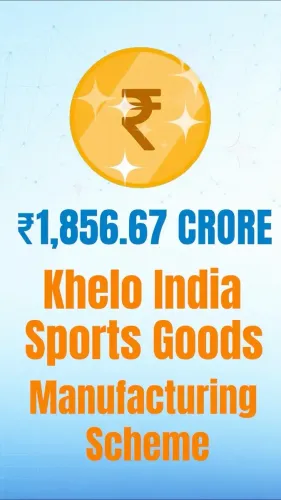
The Union Cabinet approved the Khelo India sports goods manufacturing scheme with an outlay of ₹1,800 crore .
The scheme aims to set up dedicated sports manufacturing zones and strengthen capacity building, research, and skill development.
Jalandhar , a globally recognised sports goods hub in Punjab , stands to be a primary beneficiary.
Industry stakeholders say integrating large manufacturers with small and home-based units could create jobs and reduce youth migration.
The sector has recently faced headwinds including GST impact, rising raw material costs, and declining orders.
Jalandhar, a globally recognised hub for sports goods and equipment manufacturing, is brimming with optimism following the Union Cabinet's approval of the Khelo India sports goods manufacturing scheme, which earmarks ₹1,800 crore to bolster capacity building, research, innovation, and skill development across India's sports goods sector. Industry stakeholders in Punjab's sports capital say the scheme could reshape livelihoods and reverse a period of strain for small and home-based manufacturers.
What the Scheme Entails
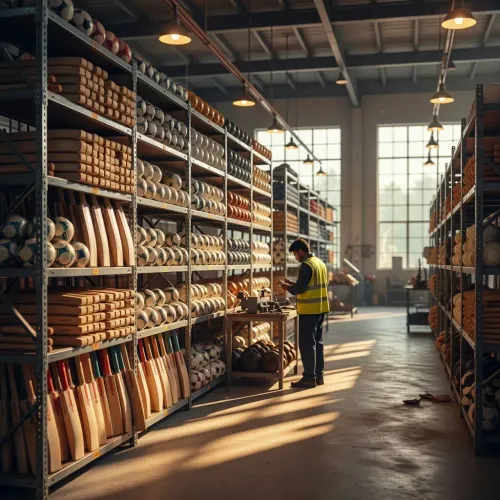
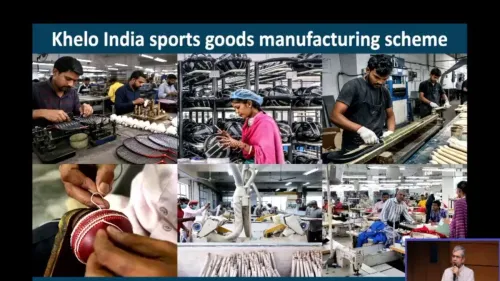
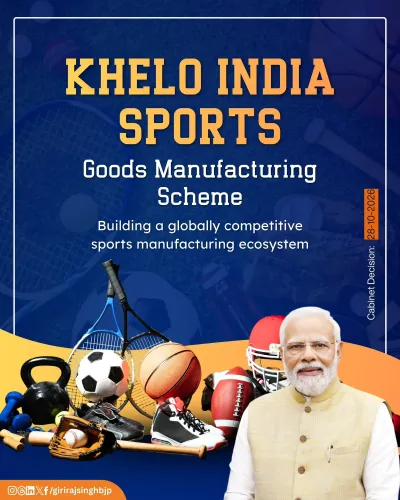
The Central government approved the Khelo India sports goods manufacturing scheme with a dedicated outlay of ₹1,800 crore, aimed at establishing sports manufacturing zones across the country. The initiative is designed to strengthen capacity building, drive research and innovation, and upskill workers in the sports goods manufacturing segment. According to market experts, the scheme is set to give a direct lift to small-scale enterprises, open fresh employment avenues, and steer the sports goods sector onto a new growth trajectory.
Why Jalandhar Stands to Gain
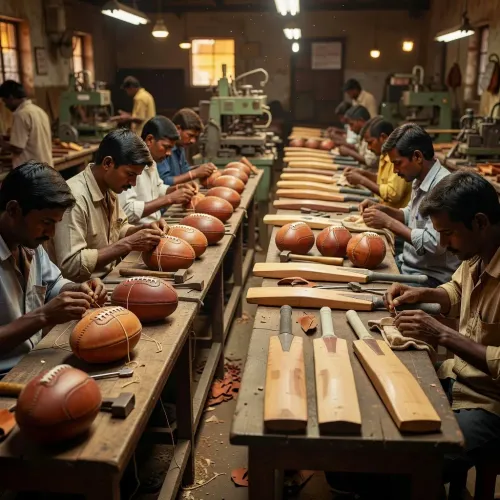
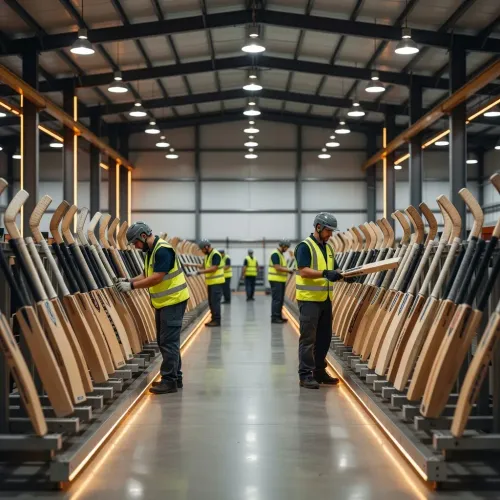
Jalandhar has long anchored India's sports goods export ecosystem, producing everything from cricket bats and footballs to gymnasium equipment. Industry representatives in the city welcomed the announcement, noting that the scheme's focus on integrating large manufacturing units with smaller enterprises could enable a meaningful division of labour. By channelling manufacturing-related work into households, families stand to secure employment within their own localities — potentially curbing the outmigration of youth to other cities in search of work.
Challenges the Sector Has Faced
The optimism comes against a backdrop of recent headwinds. Industry voices noted that businesses have contended with the impact of the Goods and Services Tax (GST), rising raw material costs, and a decline in orders. In this context, government support is being viewed as much-needed relief. Stakeholders argue that without structural support, smaller units — many of them home-based — struggled to remain viable as input costs climbed and demand softened.
Broader Impact on Employment and Local Economy
Various industry representatives stated that linking large-scale manufacturers with smaller enterprises could generate employment for a significantly larger number of families. This integration model, they said, would not only raise local income levels but also provide younger workers with a viable professional path within their home region. The scheme is also expected to add vigour to existing manufacturing capacity, giving Jalandhar's sports industry the structural upgrade it has long required.
What to Watch Next
Details on the establishment of dedicated sports manufacturing zones and the disbursement framework under the ₹1,800 crore outlay are yet to be announced. Industry bodies are expected to engage with the government on implementation timelines. Whether the scheme translates into verifiable job creation and export growth — particularly for Jalandhar's small and home-based units — will be the true measure of its impact.
Point of View
But enthusiasm must be tempered by the absence of an announced disbursement framework or zone-establishment timeline. India's sports goods sector has historically struggled to convert policy intent into durable employment — GST disruptions and raw material volatility are structural, not cyclical. The scheme's stated integration of home-based units with large manufacturers is the right instinct, but without a transparent mechanism tying incentives to verifiable job creation, the ₹1,800 crore risks flowing primarily to established players. The real test is whether small-scale and household producers — the backbone of Jalandhar's export identity — receive ring-fenced support rather than trickle-down benefits.
NationPress
29 Oct 2026
Frequently Asked Questions
What is the Khelo India sports goods manufacturing scheme?
The Khelo India sports goods manufacturing scheme is a Central government initiative approved by the Union Cabinet with an outlay of ₹1,800 crore, aimed at setting up dedicated sports manufacturing zones and strengthening capacity building, research, innovation, and skill development in India's sports goods sector.
How much has the government allocated for the Khelo India manufacturing scheme?
The Union Cabinet has sanctioned ₹1,800 crore for the scheme. The funds are earmarked for capacity building, research and innovation, and skill development in the sports goods manufacturing segment.
Why is Jalandhar significant for India's sports goods industry?
Jalandhar is a globally recognised hub for sports goods and equipment manufacturing, producing a wide range of products from cricket bats and footballs to gymnasium equipment. It is central to India's sports goods export ecosystem and stands to be a primary beneficiary of the new scheme.
What challenges has Jalandhar's sports industry been facing?
Industry representatives say businesses have recently contended with the impact of the Goods and Services Tax (GST), rising raw material costs, and a decline in orders. These pressures have been particularly acute for small-scale and home-based manufacturing units.
How could the scheme benefit small-scale and home-based manufacturers?
The scheme is expected to integrate small and home-based enterprises with larger manufacturing units, enabling a division of labour that could generate employment within local communities. This could raise local income levels and reduce the need for youth to migrate to other cities for work.