Giriraj Singh: Cabinet clears ₹1,857 cr sports goods scheme
Synopsis
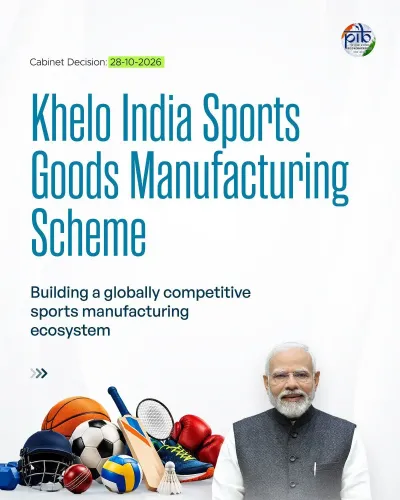
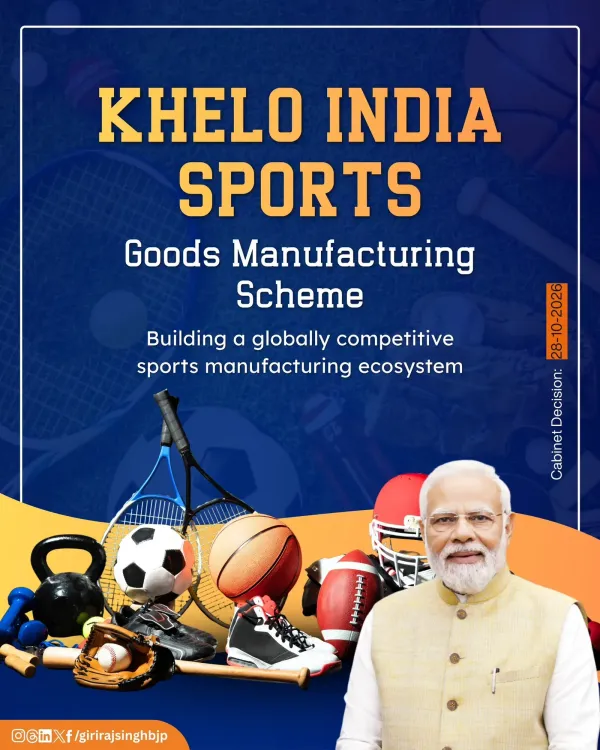
The Union Cabinet has approved the Khelo India Khel Samagri Virnirman Yojana, committing ₹1,856.67 crore over 2026-2033-34 to transform India into a global sports goods manufacturing hub, building on existing MSME clusters in Meerut and Jalandhar.
Key Takeaways
The Union Cabinet approved the Khelo India Khel Samagri Virnirman Yojana on October 28, 2026 .
Total outlay is ₹1,856.67 crore , to be spent over seven years from 2026 to 2033-34 .
The scheme aims to position India as a global hub for sports goods manufacturing , reducing import dependence.
Key beneficiaries include MSME exporters and existing manufacturing clusters in Meerut and Jalandhar .
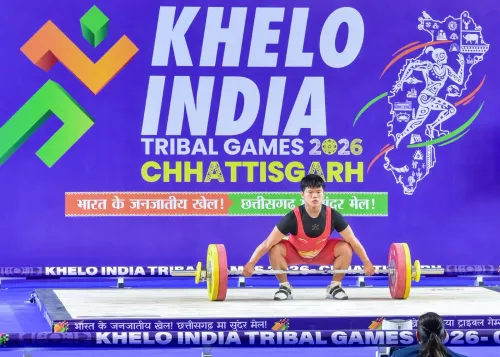
The scheme extends the Khelo India programme — launched in 2017 — into the industrial supply chain.
Detailed guidelines, beneficiary cluster maps, and tender processes are expected after the 2026 launch window .
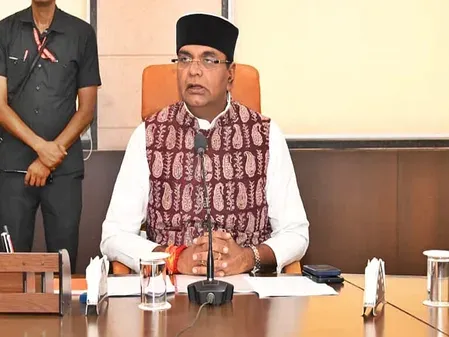
India just placed a serious bet on becoming the world's sports equipment factory. The Union Cabinet on Wednesday, October 28, 2026 approved the 'Khelo India Khel Samagri Virnirman Yojana' — a dedicated manufacturing scheme designed to position India as a global hub for sports goods production, with an outlay of ₹1,856.67 crore to be deployed between 2026 and 2033-34. Union Textiles Minister Giriraj Singh announced the Cabinet's decision on X, flagging it as a pivotal step in building domestic manufacturing capacity.
What the Khelo India manufacturing scheme actually does
The scheme extends the logic of the broader Khelo India programme — launched in 2017 to rebuild India's grassroots sports culture and infrastructure — into the industrial supply chain. Rather than only training athletes or building stadiums, this new arm targets the factories and workshops that produce the equipment those athletes train with. Over a seven-year window, the ₹1,856.67 crore outlay is expected to seed and scale domestic production of sports goods, reducing India's dependence on imported equipment and pushing finished goods into global export markets.
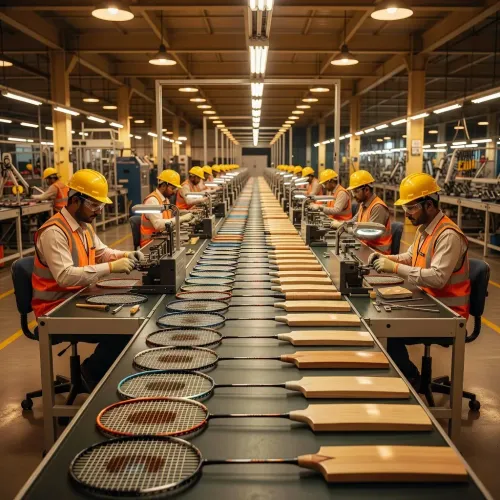
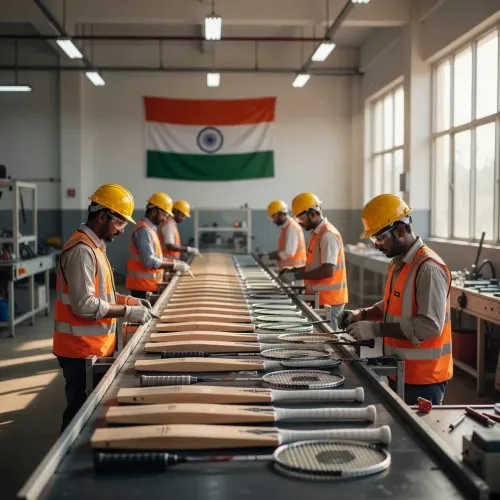
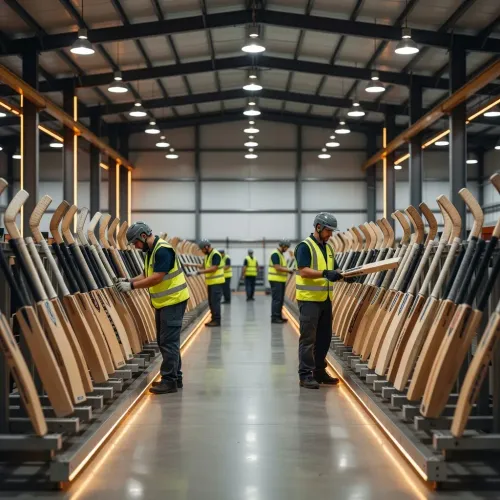
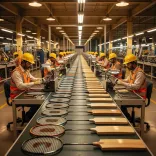
The timing matters. India already hosts two of the world's most significant sports goods clusters: Meerut in Uttar Pradesh and Jalandhar in Punjab. Together they supply a substantial share of global demand for products ranging from cricket bats and protective gear to footballs certified for international tournaments. For decades, however, these clusters have operated largely as mid-tier exporters — strong on volume, constrained on value addition and technology. The new scheme is designed to change that equation.
Meerut and Jalandhar: the clusters that carry the ambition
Both manufacturing belts are dominated by MSMEs — small and medium enterprises that run on thin margins and limited access to formal credit or technology upgrades. A centrally-funded scheme of this scale could unlock compliance certifications for premium markets, machinery modernisation, and the kind of quality testing infrastructure that separates a commodity supplier from a branded global exporter. The textiles ministry's involvement signals potential linkages with existing textile export promotion mechanisms and raw-material supply chains, given the overlap between apparel fabrics and performance sportswear.
Detailed implementation guidelines, beneficiary cluster maps, and tender processes are expected to follow the 2026 launch window. Watchers will track whether the scheme draws in state governments — particularly Uttar Pradesh and Punjab — as co-investors, and how quickly export promotion councils align their outreach calendars with the rollout.
The bigger picture: manufacturing policy meets sports diplomacy
India's push to dominate sports goods manufacturing sits squarely inside a wider policy arc: building domestic capacity in sectors where the country has raw inputs and labour depth but has historically ceded finished-product markets to China, Taiwan, and Eastern Europe. A seven-year, sub-₹2,000 crore scheme is not transformative on its own — but as a dedicated, named programme inside the Khelo India family, it creates a policy vehicle that can attract private co-investment and state matching funds. The scheme is as much a signalling device as a fiscal intervention.
The ambition is clear: the world buys its cricket balls from Meerut already. The question the next seven years must answer is whether India can also sell it the high-performance equipment that fills Olympic arenas.
Point of View
A segment that has long punched below its weight in value-added exports. Giriraj Singh's textiles ministry leading the announcement signals an institutional effort to bridge sports policy and manufacturing strategy, two silos that rarely converge. A seven-year, ₹1,856.67 crore commitment is modest in absolute terms but meaningful as a named policy vehicle that can catalyse state co-investment and private-sector alignment. The real test will be whether implementation guidelines create differentiated incentives for technology upgradation rather than simply routing funds to existing volume exporters.
NationPress
28 Oct 2026
Frequently Asked Questions
What is the Khelo India Khel Samagri Virnirman Yojana?
It is a central government scheme approved by the Union Cabinet on October 28, 2026, with an outlay of ₹1,856.67 crore over 2026-2033-34, aimed at making India a global hub for sports goods manufacturing by supporting domestic producers and MSME exporters.
How much money has been allocated for the sports goods manufacturing scheme?
The Union Cabinet has approved a total outlay of ₹1,856.67 crore, to be spent between 2026 and 2033-34.
Which cities or clusters will benefit from this scheme?
The scheme is expected to significantly benefit existing sports goods manufacturing clusters in Meerut (Uttar Pradesh) and Jalandhar (Punjab), which are already major global suppliers of cricket gear and footballs.
How is this scheme related to Khelo India?
Khelo India was launched in 2017 to promote grassroots sports and build infrastructure. The new scheme extends that programme's reach into the industrial supply chain, targeting the factories and workshops that produce sports equipment.
Which ministry is responsible for the Khelo India sports goods scheme?
The announcement was made by Union Textiles Minister Giriraj Singh, indicating the textiles ministry's lead role, with potential linkages to export promotion councils and state-level textile policies.