Will the Sports Budget Revolutionize India's Khelo India Mission and Manufacturing Sector?
Synopsis
Discover the groundbreaking initiatives unveiled in the Union Budget 2026-27 that aim to transform India's sports landscape. With significant boosts to the Khelo India Mission and sports goods manufacturing, the government is setting the stage for a new era in sports development. Are we on the brink of a sports revolution in India?
Key Takeaways
Increase in budget outlay for sports Extension of Khelo India Mission for 10 years Dedicated ₹10,000 crores SME growth fund Focus on sports goods manufacturing Improved budget for National Sports Federations
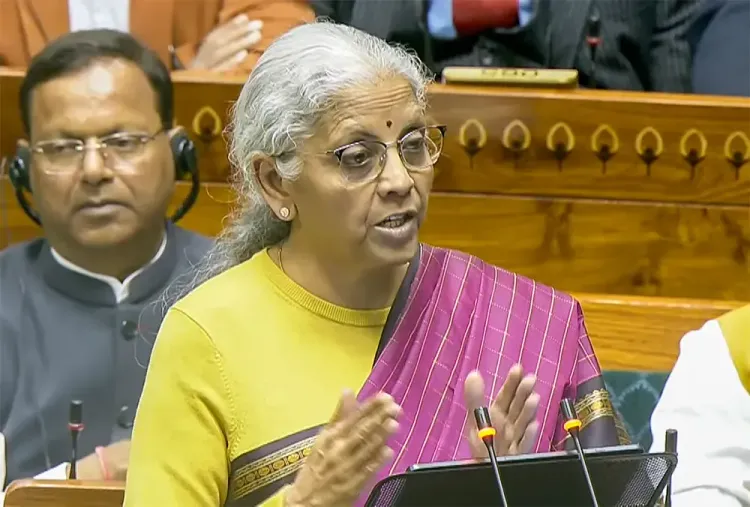
New Delhi, Feb 1 (NationPress) The Union Budget 2026–27, delivered by Finance Minister Nirmala Sitharaman, highlights a significant boost in budget allocation, a focus on sports goods production, and a proposal to extend the Khelo India Mission for an additional 10 years.
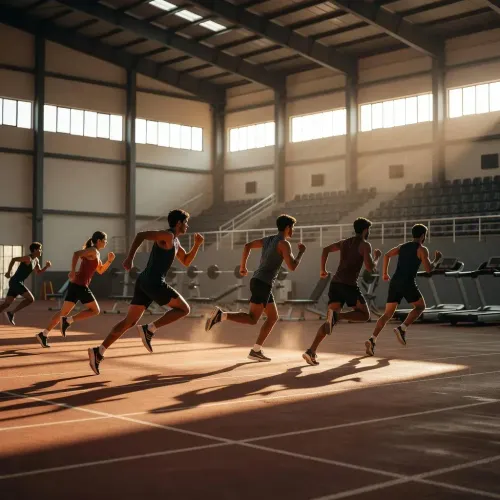
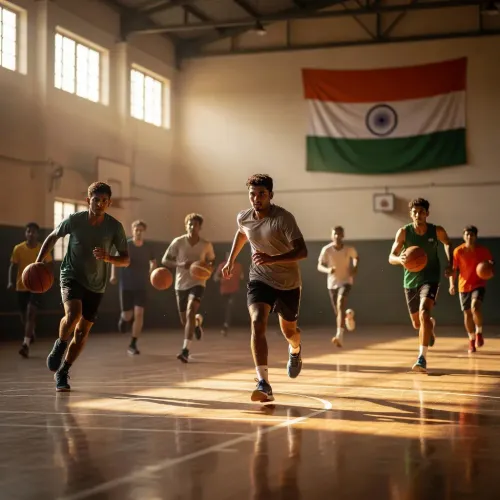
These strategic initiatives indicate the government's commitment to transform the nation's sports landscape from merely funding events and providing athlete support to establishing robust infrastructure, fostering talent, and achieving self-sufficiency in equipment and facilities. These efforts are designed to enhance India's sports ecosystem, gearing up for the 2030 Commonwealth Games and the 2036 Olympics, for which India has placed its bid.
In this context, the Finance Minister presented a vision for comprehensive infrastructure upgrades and grassroots sports development.
“India possesses the potential to become a global center for high-quality, cost-effective sports goods,” Sitharaman remarked in her Budget address. “I propose a specialized initiative aimed at promoting sports goods manufacturing, research, and innovation in both equipment design and material sciences.”
Additionally, she announced a dedicated ₹10,000 crores SME growth fund aimed at nurturing future champions, encouraging businesses based on specific criteria.
The government is also set to implement a long-term Khelo India Mission that will operate over the next decade.
“To continue the systematic cultivation of sports talent initiated through the Khelo India program, I propose the launch of a Khelo India Mission aimed at transforming the sports landscape in the coming decade,” Sitharaman stated.
The Ministry of Youth Affairs and Sports acknowledged the high cost of sports equipment as a barrier for athletes and urged government intervention. In response, the government has proposed measures to position India as a global sports goods hub, benefiting existing production centers like Meerut and Jalandhar, while making the sector more attractive for investment.
Sitharaman's plan to enhance sports goods manufacturing is expected to directly benefit India's current hubs and improve domestic equipment accessibility.
Moreover, the Finance Minister emphasized the sports sector's potential as a catalyst for employment, skill development, and job creation.
The sports sector offers “numerous employment, skill enhancement, and job opportunities,” the minister stated, affirming the government's ambition to develop sports as a comprehensive economic ecosystem encompassing training, coaching, equipment manufacturing, and ancillary services.
The total budget allocation for the Ministry of Youth Affairs and Sports has also seen an increase in this budget.
The budget for the Khelo India program has been raised from ₹800 crore to ₹1000 crore, while other significant increases include the budget for the Sports Authority of India (SAI), which has risen from ₹815 crore to ₹830 crore, although the outlay for athlete incentives has been slightly reduced from ₹42.65 crore to ₹37 crore.
National Sports Federations will also receive a boost, with their budget increasing from ₹340 crore to ₹400 crore, and the National Dope Testing Laboratory will see its budget rise from ₹18.70 crore to ₹23 crore.
Point of View
I believe the government's renewed focus on sports through increased funding and infrastructure development is a commendable step towards building a robust sports ecosystem. The initiatives introduced are essential for nurturing talent and ensuring that India is well-prepared for future international competitions. The emphasis on manufacturing sports goods domestically also highlights a move towards self-reliance, a crucial aspect in today's global environment.
NationPress
23 Sept 2026
Frequently Asked Questions
What are the key initiatives in the Union Budget 2026-27 for sports?
The Union Budget 2026-27 includes an increase in budget outlay for sports, a proposal to extend the Khelo India Mission for 10 years, and a dedicated fund for sports goods manufacturing.
How much has the budget for the Khelo India program increased?
The budget for the Khelo India program has increased from ₹800 crore to ₹1000 crore.
What is the significance of the SME growth fund announced?
The ₹10,000 crores SME growth fund aims to foster talent and incentivize enterprises in the sports sector, helping to create future champions.
How does this budget impact sports goods manufacturing?
The government aims to establish India as a global hub for affordable sports goods, which will promote manufacturing, research, and innovation in the sector.
What is the expected outcome of these initiatives?
These initiatives are designed to enhance India's sports infrastructure, promote talent development, and prepare the nation for upcoming international sports events, including the Commonwealth Games and Olympics.